with expert insight from Dr. Allyson Shrikhande, MD, CMO

The tricky thing about endometriosis is it has a vast array of symptom presentation! However, at Pelvic Rehabilitation Medicine, our providers are on the “front lines of Endo” because we treat the pelvic floor nerves and muscles and focus on symptoms associated with intercourse, bladder, and bowel as well as any pain or discomfort from the belly button to the mid-thigh. This covers a lot of the top 20 most common symptoms of endometriosis!
What is endometriosis?
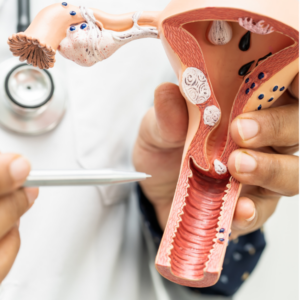
Endometriosis is a disease in which tissue, similar to the lining of the uterus, grows outside of the uterus. While the cause of endometriosis is unknown, the impact on patients’ health can be severe. The pH balance of the tissues can be disrupted, and the muscles and nerves can be put into disarray. Neurotransmitters begin stimulating an inflammatory cascade that can cause chronic pain.
What we know about endometriosis:
- Endometrial lesions are typically found in the pelvis, but they can occur at other locations, including the bowel and diaphragm.
- Endometriosis is common – with 1 in 9 women suffering from this disease – and it can cause several serious comorbidities, as well as chronic pain and infertility.

What are the biggest signs of endometriosis?
Endometriosis spel
ymptoms range from minor to severely debilitating and patients’ primary symptoms are often chronic pelvic pain. However, that can vary and our providers have seen it all! The most common symptoms of endometriosis I see are GI complaints such as abdominal bloating, abdominal pain, constipation, and pain/discomfort with bowel movements.
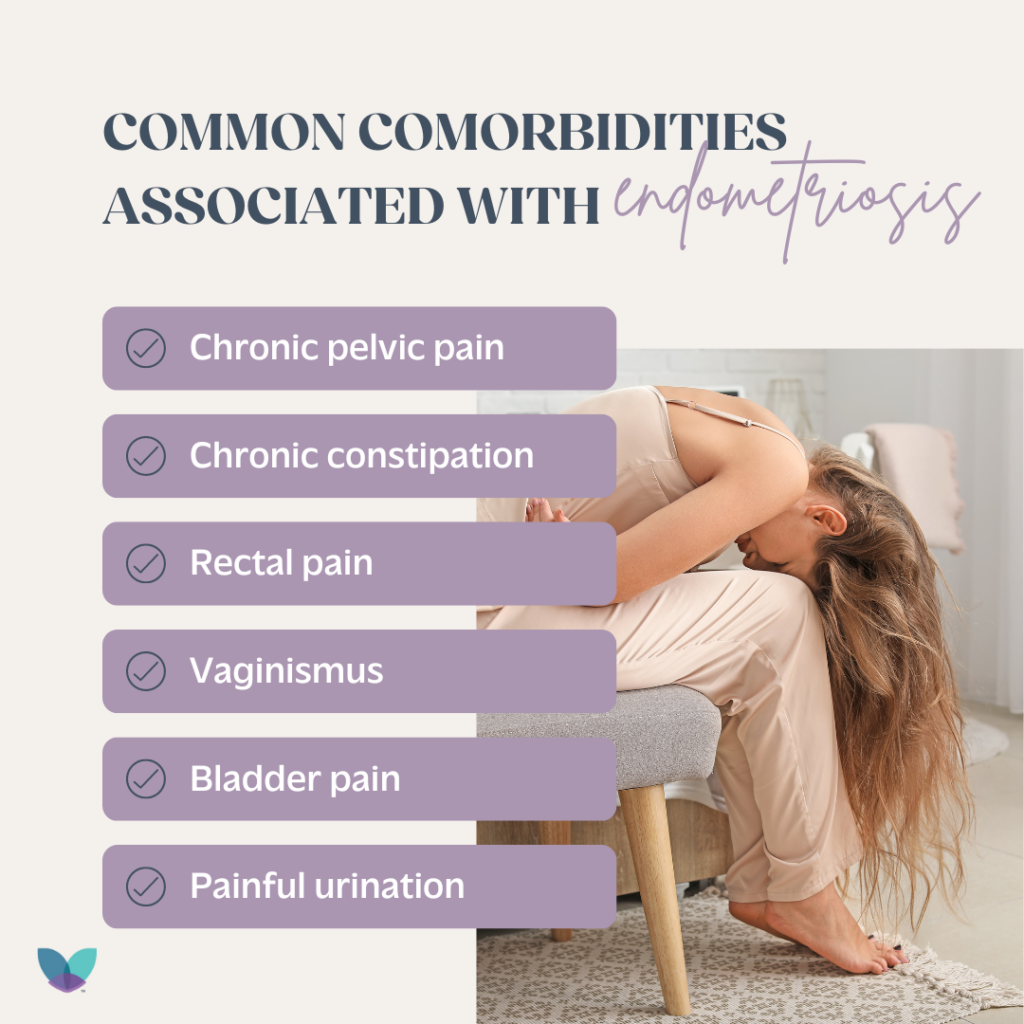
Classically, all the below symptoms are worse when patients are on their menstrual cycle. However, if it persists for a long time, they may become constant and not cyclical. This all being said, please see what I believe are the most 20 common symptoms of Endo not in any particular order:
20 Symptoms of Endometriosis
Severe Menstrual Cramps
Severe cramping refers to any cramping you experiencing during your period that causes you to miss school, work, or any activities you enjoying participating in.
Pain with Menstruation
Pain experienced during your period may involve cramping, abdominal pain, back pain, rectal pain, and more.
Pain with Intercourse
Painful intercourse refers to any pain felt during and after penetration.
Sacral and Low Back Pain with Periods
Sacral and low back pain may occur due to hormonal changes and muscular problems, such as spasm and inflammation.
Heavy Bleeding During Menstruation
Heavy bleeding during your period can be related to many different conditions such as uterine fibroids, PCOS, and endometriosis.
Abdominal Bloating
Endometriosis causes bloating due to the inflammatory nature of the disease.
Abdominal Pain
Lower abdominal pain can be experienced during intercourse, bowel movement, or when sneezing or coughing, or even at random no no matter what activity you are doing. Ongoing abdominal pain – with or without a period – should not be ignored.
Rectal Pain
Rectal pain can happen during or outisde of menstruation, and can be a sign of bowel endometriosis when accompanied by bleeding. Rectal pain can present as spontaneous episodic pains in the rectum that are secondary to spasms in the pelvic floor musculature
Constipation
As endometriosis causes inflammation within the pelvic floor, it can result in spastic muscles which lead to constipation, which is difficulty having bowel movements.
Pain or Discomfort with Bowel Movements
As with constipation, endometriosis can cause discomfort and even pain while trying to use the bathroom.
Blood in Stool During Menstrual cycle
Experiencing bleeding from the rectum during your period is a sign of bowel endometriosis, and as with all symptoms, should never be ignored.
Vaginal Pain – “Hot poker in Vagina”
Vaginal pain can be experienced due to the inflammation caused by endometriosis.
Vulvar Pain
As with vaginal pain, vulvar pain is also caused by inflammation relating to endometriosis.
Superficial Entrance Pain with Intercourse
Superficial entrance pain is pain related to the vulva or vagina entrance, prior to deep penetration.
Soreness or Pelvic Pain Flare Post Intercourse
Bladder Pain
Bladder pain can present as discomfort or pain in the lower abdomen, a constant feeling of having to pee, or feeling like your bladder is full.
Burning with Urination
Inflammation caused by endometriosis and tight pelvic floor muscles can cause the feeling or burning while peeing. This burning sensation is not related to a urinary tract infection (UTI).
Urinary Urgency or Frequency
Peeing frequently is a sign of endometriosis.
Infertility
Endometriosis is a common culprit for infertility issues for those with endometriosis, with many people finding out they have endometriosis when they begin trying to get pregnant.
Pelvic Pain Worse with Prolonged Sitting/Biking
Pain with sitting can be felt in the “sit bones’ and in the distribution of the pudendal nerve anywhere from the rectum to the genitals.
Are Your Symptoms Endo?
Find out if you have symptoms that may be associated with endometriosis and learn more about endometriosis treatment and lifetime care.
Click here to take the Endometriosis Symptoms Quiz Now
How can I check if I have endometriosis?
It’s true that pain is one of the most common symptoms of endometriosis, and many of the symptoms above are pain driven; however, it’s important to note that the level of pain is not a good indicator of the extent of the condition or a way to check if you have endometriosis. When it comes to certain symptoms I like to encourage patients to ask questions about their symptoms – they know their bodies best!
One important question to ask about bloody stool is: does it happen during the menstrual cycle only? This can happen in endometriosis. Our patients are often given the diagnosis of IBS (irritable bowel syndrome) as the GI work was “normal” and the symptoms correlate.
Of course, pain with intercourse is also extremely common. Typically pain with intercourse is on deep penetration, and we like to ask about certain positions that may cause pain and those that do not.
Endometriosis patients can also have superficial pain or entrance pain, and sometimes have what we call Vulvodynia or pain in the Vulvar area. This is from inflammation and irritation of the pelvic nerves from the endometriosis lesions and myofascial restrictions. Sometimes patients state they have a “pelvic pain flare” after intercourse. This is most likely because the inflamed pelvic nerves and muscles are used to have intercourse and since they are irritated from the endometriosis they cause muscles spasms and nerve pain symptoms.
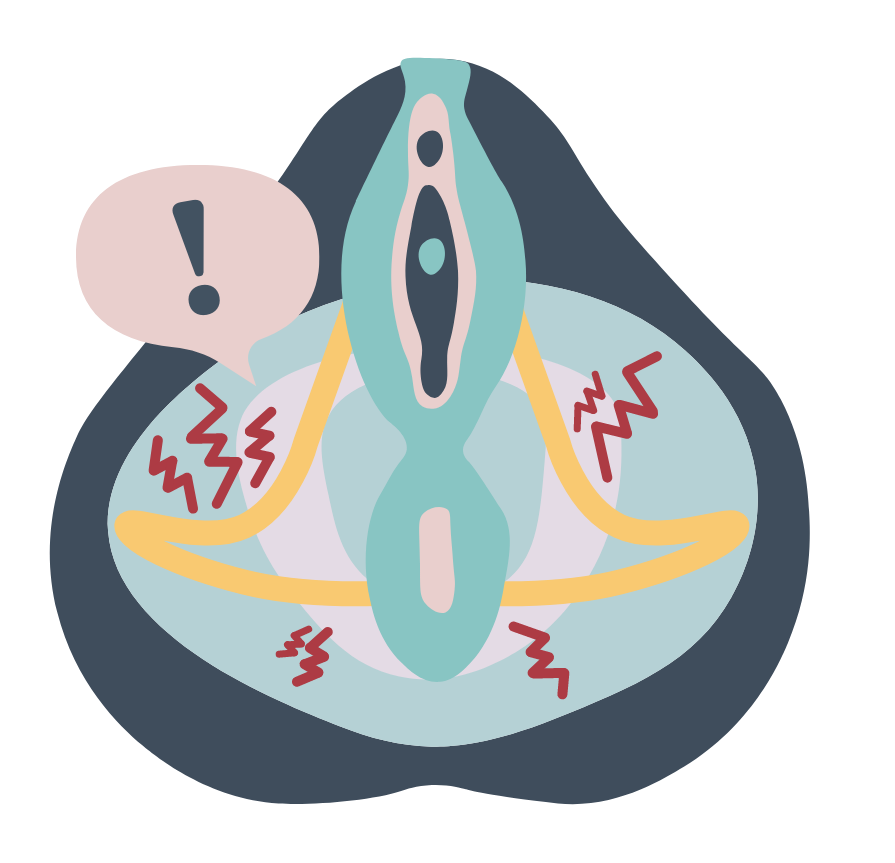
Bladder symptoms again are also super common. We hear a lot “it felt like I had a UTI that never when away”. Endo patients can also have Bladder Pain Syndrome/Interstitial Cystitis so it’s common for them to have pain with bladder filling, urinary urgency, frequency, and nocturia. Nocturia is where they get up to urinate frequently during the night.
Take the Endometriosis Symptom Quiz
We can help if you think you might have endometriosis
Unfortunately, we know that 75% of women with endometriosis have experienced a misdiagnosis. At Pelvic Rehabilitation Medicine, we want to change the standard of care for women suffering with endometriosis. We believe that endo patients deserve options when it comes to their treatment – we believe they deserve to heal from their pain.
We are pelvic pain specialists who offer a whole-body approach to endo. We provide a functional, restorative approach to persistent pelvic pain through the PRM Protocol™ that has proven to help decrease pain and restore function. We design a treatment plan tailored to your individual needs. Our goal is to help you enjoy an active, pain free lifestyle.
Schedule an Endometriosis Consult
Do you think you might have endometriosis? Take our common symptoms quiz and assess your own symptoms to learn more.