
Levator Ani Syndrome is a muscle-based pelvic pain due to chronically contracted pelvic muscles. It has many names and can be associated with pelvic floor muscle dysfunction, chronic proctalgia fugax, or chronic pelvic pain syndrome. Levator Ani Syndrome typically describes pain in the rectum or the bottom and back of the pelvis.
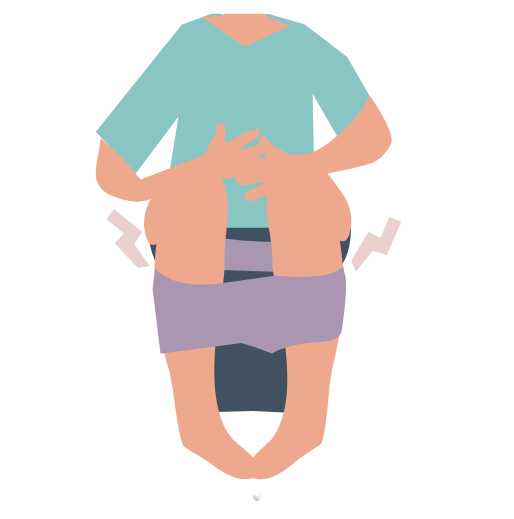
There are both local and systemic factors that contribute to causing the symptoms of levator ani syndrome. Locally, unconscious tensing of the pelvic floor muscles from stress and anxiety, contribute to the symptoms. Often this is combined with certain “triggers” or risk factors.

Chronic constipation or loose stool

Poor toileting habits usually started as a young child

A history of hemorrhoids or an anal fissure

History of Low Back Pain or Lumbar Spine pathology

A history of colorectal or gynecological surgery

Genetic predispositions such as the nervous system being hyperexcitable
Sometimes, there is an absence of visible symptoms when tests are conducted and this can be frustrating to both patients and medical practitioners and can delay a diagnosis and treatment plan. Diagnosing chronic pelvic pain syndrome and the issues that are causing it requires an in-depth examination of both the nerves and muscles within the pelvis, learning of your medical history, and getting a full picture of your symptoms and lifestyle.
Here’s what you can expect when you are a patient at Pelvic Rehabilitation Medicine:

Step One – First, our providers will ask questions about your medical history and listen to your symptoms to get a full picture of what is going on with you.

Step Two – Next, an external exam of your hips, abdomen, and posterior sacrum.

Step Three – Next, your pelvic nerves are evaluated externally with a soft cotton tip.

Step Four – Next, with your consent, gel is placed on a gloved finger and an internal exam is performed to allow us to evaluate the nerves and muscles within the pelvis. There is no speculum required as we are evaluating the pelvic floor muscles and nerves not the organs.

Step Five – Sometimes patients will need Imaging to help us understand if there is an associated cause of the pelvic nerve and muscle pain and dysfunction found on exam.

Step Six – Oftentimes, treatment can be started the same day as there is no down time. Our patients have been suffering with pelvic pain symptoms for 6+ months. We like to get them on the road to feeling better as soon as we can as the longer the symptoms are present the harder it is for us to resolve them.
Schedule an appointment with a pelvic pain specialist to talk about your condition.
Dr. Allyson Shrikhande had a discussion with Dr. Melanie Carminati of Inspira Physical Therapy.
In this episode of the Period Party Podcast, Dr. Shrikhande and Nicole Jardim talk about the…