If you live with chronic pelvic pain, you might notice it’s stronger on one side, often the right. You’re not imagining it, and you’re not alone. Many people with endometriosis or adenomyosis experience more pain on their right side, and there are clear anatomical and developmental reasons why.
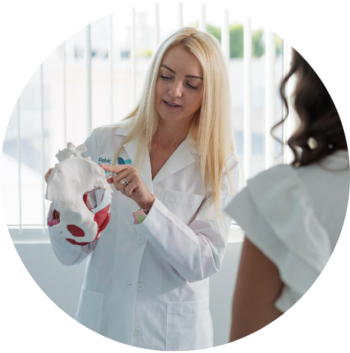
1. How Your Pelvic Anatomy Plays a Role
The pelvis isn’t perfectly symmetrical, and the way organs are positioned can influence how pain develops.
- The bowel sits on the left side, providing a bit of a “shield” against inflammation.
-
The right side has more open space, so fluid or inflammation can collect there more easily.
-
Nerve pathways differ slightly, which can make right-sided pain feel sharper or more persistent.
So, if pain shows up more on your right side, it doesn’t always mean there’s something wrong with your ovary, sometimes it’s inflammation, adenomyosis, or endometriosis tissue near the uterus or pelvic wall that’s causing the ache.
2. The Impact of Endometriosis and Adenomyosis
Both endometriosis and adenomyosis involve inflammation and tissue sensitivity that can make side-specific pain worse.
-
In adenomyosis, tissue that normally lines the uterus grows into the uterine wall, causing uneven cramping or tenderness.
-
In endometriosis, similar tissue grows outside the uterus, often near nerves, ligaments, or spaces that affect one side more than the other.
When endometriosis tissue settles into that open right-sided space, the pain can feel deeper and more constant.
3. The Embryologic Connection: Why the Right Side Hurts More
Here’s something most people don’t realize, the reason right-sided pain is more common may actually begin before birth.
Research from experts like Dr. David Redwine has shown that embryologic development, how our internal organs form, influences how and where endometriosis lays down. Because of these developmental patterns, right-sided endometriosis can be harder to remove completely during surgery and sometimes has a higher chance of recurring.
It’s not just random, it’s part of how our bodies are wired from the start.
4. The Often-Missed Role of the Appendix
The appendix, which sits on the right side of the abdomen, is frequently affected by endometriosis but often overlooked. When the appendix is left behind during surgery, it can continue to cause pain and inflammation even after other lesions are treated. That’s why a thorough surgical evaluation is so important, it ensures every possible source of pain is addressed.
5. Getting Real Answers Through Expert Imaging
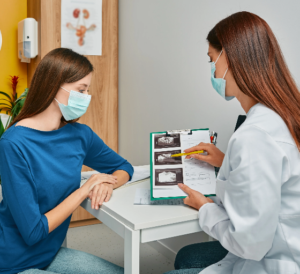
Standard imaging can miss subtle or deep endometriosis, especially in complex areas like the pelvic sidewalls. At PRM, our team uses advanced ultrasound that help identify:
-
Where inflammation or fluid is collecting
-
How deep or extensive lesions may be
-
The interaction between pelvic organs
This precision allows us to understand your pain more clearly and create a treatment plan that actually targets the root cause.
6. You’re Not Imagining Your Pain — And You’re Not Alone
If your pain feels stronger on one side, especially the right, it’s not “in your head.” It’s a message from your body that deserves to be heard and understood.
At PRM, we combine evidence-based imaging, medical expertise, and compassionate care to help patients find real answers, and lasting relief.