Experience the PRM Protocol™
Pelvic Pain Specialist in Florham Park
Discover lasting relief from chronic pelvic pain with our proprietary, patented PRM Protocol™, available exclusively at PRM in Florham Park.
Discover lasting relief from chronic pelvic pain with our proprietary, patented PRM Protocol™, available exclusively at PRM in Florham Park.
Unlike general providers, our board-certified specialists focus solely on pelvic pain and pelvic floor dysfunction. With the PRM Protocol™, patients receive:
Ultrasound-guided precision — safe, accurate treatments
Office-based procedures — no anesthesia, no radiation
Fast results — sessions take less than 30 minutes, no downtime
Long-term relief — reset pelvic nerves & muscles, reverse inflammation
The PRM Protocol™ is our proprietary, in-office series of pelvic nerve and muscle treatments designed to:
Reverse inflammation caused by chronic pain conditions
Reset the pelvic environment for pain-free living
Retrain pelvic floor nerves & muscles for optimal function
Patients can resume daily activities immediately — making this a safe, effective, and life-changing treatment for those struggling with pelvic pain.
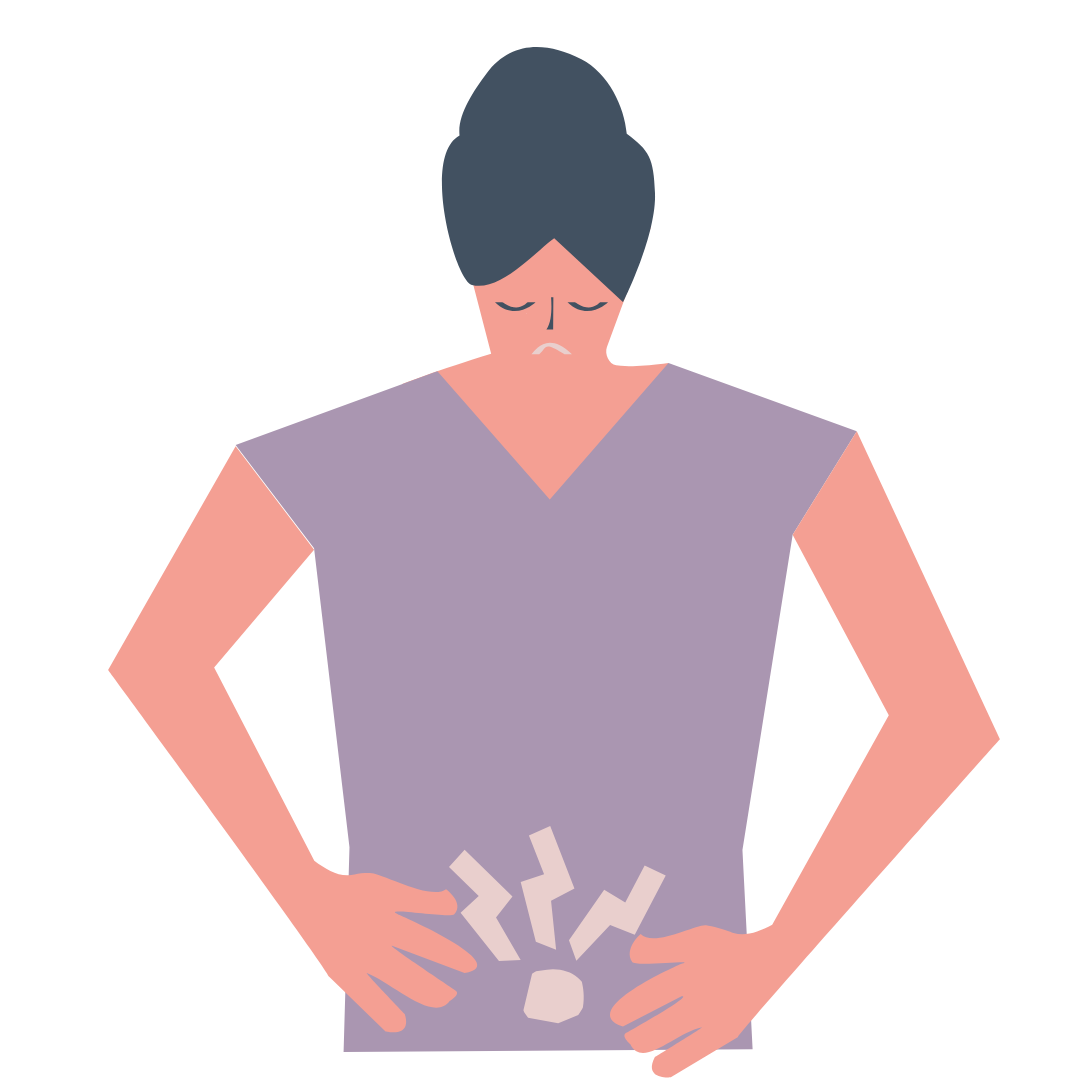
While the severity of chronic pelvic pain symptoms range, symptoms are usually related to gynecologic, urologic, gastrointestinal, and musculoskeletal conditions and exhibit a wide range of symptoms in both women and men.
Pelvic Pain presents in many forms, however, pelvic nerve pain and pelvic muscle dysfunction are almost always present. Our ultrasound-guided office based treatment aims to treat the pelvic nerve pain and pelvic muscle dysfunction reducing pain and improving function for our patients.

Affecting 20-35% of women, pain and symptoms associated with adenomyosis can overlap with endometriosis
Central Sensitization is a pathophysiological process in which the central nervous system undergoes changes that alter pain processing leading to hypersensitivity.
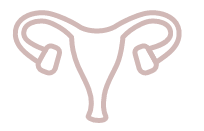
Chronic pelvic pain syndrome (CPPS) is pain or discomfort anywhere from the belly button to the mid-thigh lasting 6 months or more.


A common condition affecting 8.2% of men, chronic prostatitis is characterized by chronic pelvic pain and voiding symptoms in the absence of a clear bacterial infection.


Endo is a disorder in which tissue similar to the lining of the uterus grows outside of the uterus causing pelvic pain and infertility.
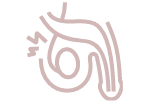

A painful condition caused by inflammation and resulting in pain or swelling of the scrotum, testicles, or epididymitis typically affects men who are between 19 and 35 years of age, and is commonly the result of a sexually transmitted infection.


Affecting around 10% of men in the U.S., erectile dysfunction can cause problems within their intimate life as well as depression and anxiety, but we want you to know that almost all cases of erectile dysfunction are treatable.


Affecting both women and men, levator ani syndrome, also known as rectal pain, causes pain within the rectal area and other areas of the pelvic floor.


The typical symptoms of menopause include hot flashes, lower energy, and a strain on emotional health, but other lesser-known symptoms include pelvic pain and pelvic floor dysfunction, affecting 57% of women experiencing menopause.


Painful Bladder Syndrome also known as Bladder Pain Syndrome (BPS), and also Interstitial Cystitis (IC) can cause discomfort and interruptions in daily life for both women and men.


With this condition, pelvic floor muscles are contracted, tense, and weak. Blood flow is restricted, which can cause an acidic environment in the area and this, in turn, can create an inflammatory cascade.


Very often, patients have approached medical health professionals who have not heard of persistent genital arousal, and oftentimes their symptoms are dismissed.


Polycystic Ovary Syndrome, widely known as PCOS, is an endocrine system disorder that affects up to 20% of women in their reproductive years.
Pudendal Neuralgia is pelvic pain in the area between the rectum and genitals that results from irritation to the pudendal nerve.


During their lifetime, up to 80% of women will develop fibroids, however, about 25-50% will have symptoms that will affect their daily lives.


Chronic pelvic pain syndrome (CPPS) is pain or discomfort anywhere from the belly button to the mid-thigh lasting 6 months or more.

Occurring at any age, as many as one in six women in the United States may experience the symptoms of vulvodynia at some point in their lives.

Comprehensive Evaluation
We review your medical history, symptom patterns, imaging / test results, and perform a pelvic exam or functional assessment.
Personalized Treatment Plan
We’ll co-create a roadmap toward pain relief combining therapy, interventions, and home strategies.
Ongoing Monitoring & Adjustment
We track your response, adjust treatment as needed, and guide you toward long-term improvement.
Not always. Your muscles and nerves have been in a chronic state for a long time, and releasing them from this state will take time as well. Over the course of your 6 weeks of treatment, you will feel a reduction in inflammation due to the lessened restriction around the nerves, followed by less spastic nerves and muscles and a pelvic floor that is overall less painful and more functional.
The point of PRM’s treatment is that it is extremely safe due to using ultrasound guidance which allows us to see where the needle is being placed, and the side effects of our treatment are less than 0.001%.
Because our treatment aims to create space and force the muscles and nerves out of their tightened chronic-guarding state, patients may experience some soreness or aching following the injection. This is a normal reaction to space being created within the pelvic floor. You should always take the medication recommended by your pelvic pain specialist and follow their directions for how to take care of yourself following treatment.
We always watch for vasovagal, especially during a patient’s first treatment. This is a rare side effect that can be caused by patients being anxious about their appointments. We always combat this by providing our patients with a snack, and juice, and observing them while they sit on ice following treatment.
We treat patients regardless of the duration of pain. Patients who have been in pain longer may require additional courses of treatment, but a better quality of life can still be achieved.
A multimodal approach means you’re doing multiple treatments at the same time. The idea behind this is that patients get the benefit of the synergistic nature of the treatments working together. An example would be the PRM ProtocolTM.
We treat both sides of the pelvis, even if you are only experiencing pain on one side, because the nerves on the right and left sides talk to each other through the spinal cord, which goes down the middle of the pelvis. Additionally, there can be referred pain patterns within the pelvis that can cause this pain to go back and forth. Some patients can also experience compensatory spams on either side of their pelvis resulting from issues happening on the opposite side.
Six.
We are treating both the nerves and muscles within the pelvis, and there are three major muscles on each side. Over the course of 6 weeks, each of these major muscles will be treated once and one at a time, for a full trip around the pelvis. Through this treatment, the nerves will start to desensitize and become more calm with each treatment.
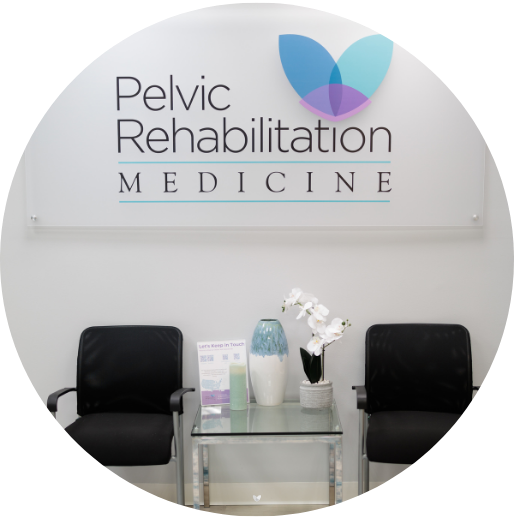
Address
83 Hanover Rd
Suite 255
Florham Park, NJ, 07932
Phone
973-947-7228
Fax
973-947-7230
Hours
Monday, Wednesday, and Friday
8:30 AM – 4:30 PM
Parking: The Florham Park, NJ office has plenty of parking behind the building. Parking is accessible from Hanover Road.
Cross Streets: Hanover Road and Columbia Turnpike
Directions: Florham Park medical building
Exits: Eisenhower Parkway exit off of Route 280
BCBS – In-network
Cigna – if coverage includes out-of-network benefits.
Aetna – if coverage includes out-of-network benefits.
United Health Care – if coverage includes out-of-network benefits.
*If your insurance carrier is not listed above but your insurance plan does have out-of-network coverage we will work with your plan.
CareCredit Financing – Apply now to see if you prequalify!
If your plan does not offer out-of-network benefits, PRM does offer significantly reduced self-pay rates.
Visit our financial information page to learn more.
We are proud to offer CareCredit financing, a convenient and flexible payment solution that allows you to prioritize your health without delay.