Download The Endometriosis Symptom Tracker
Track symptoms. Identify patterns. Prepare for appointments.
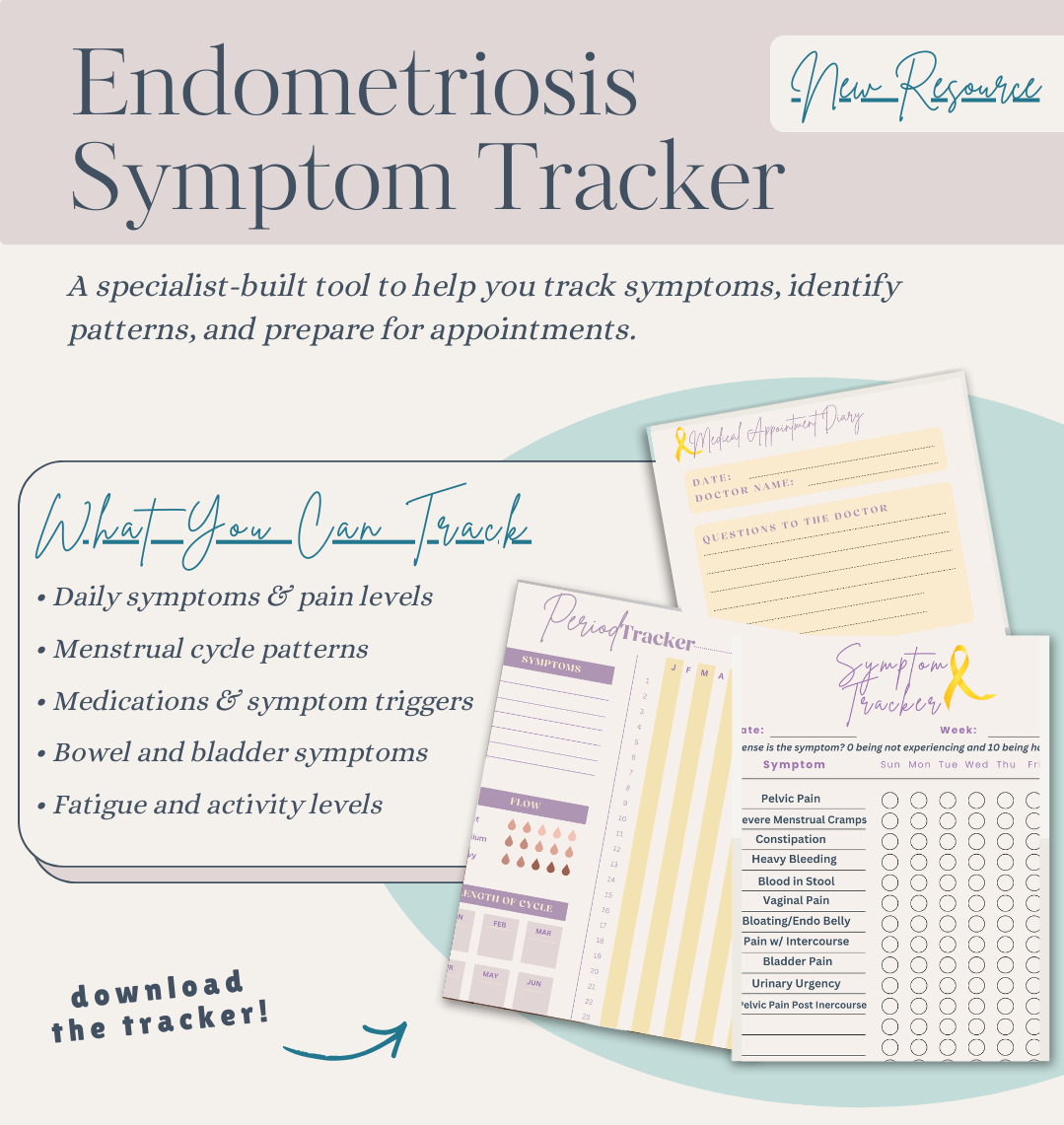
Track your symptoms, recognize patterns in pelvic pain and fatigue, and walk into appointments feeling more prepared.
Living with endometriosis can make it difficult to explain changing symptoms. Our interactive symptom tracker helps you organize your experience in minutes.
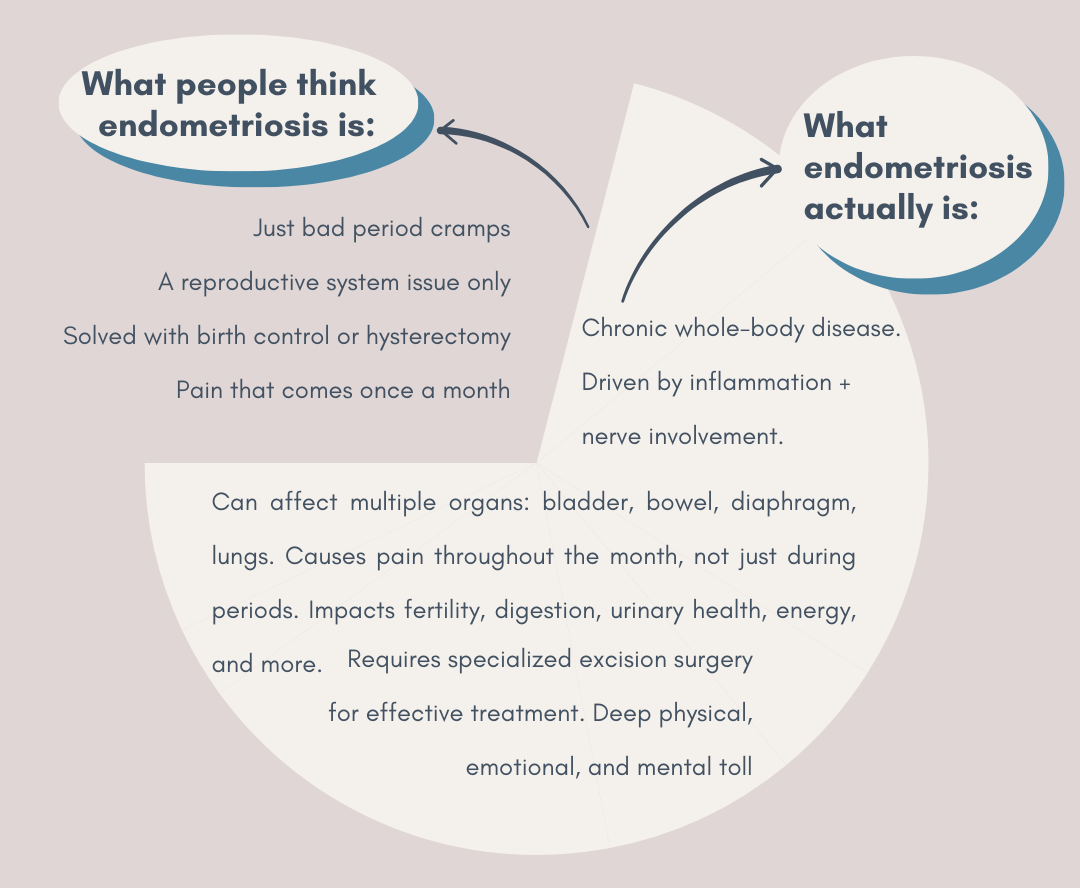
Symptoms like pelvic pain, fatigue, digestive issues, and painful periods can change throughout the month.
Many patients try tracking symptoms in journals or phone notes, but those records often become scattered and difficult to reference.
Our symptom tracker helps organize this information in one place.
Our interactive tracker guides you through quick symptom selections and simple prompts.
Your responses are organized into a clear overview that helps reveal patterns in your symptoms.
No notebooks.
No scattered notes.
Just a simple way to track what you’re experiencing.

Step 1 : Select the symptoms you are experiencing.
Step 2: Answer a few guided questions.
Step 3: View an organized overview of your symptoms.
What you can track:
• Pelvic pain and pain severity
• Menstrual symptoms
• Fatigue and energy levels
• Digestive symptoms
• Bladder symptoms
• Symptom flare patterns
Save Time
Quickly record symptoms instead of writing long notes.
Feel More Prepared
Organized symptoms can make medical conversations easier.
Understand Patterns
Track pelvic pain, menstrual symptoms, fatigue, digestive symptoms, and more.

The Endometriosis Symptom Tracker was created by specialists at PRM, a national network focused on diagnosing and treating chronic pelvic pain conditions including endometriosis.
Our team works with patients experiencing pelvic pain every day, and this tool was designed to help organize symptoms in a way that supports clearer medical conversations.
Your symptoms deserve to be heard.
Understanding patterns in your symptoms can be the first step toward getting answers.
Download the Endometriosis Symptom Tracker and begin organizing your experience today.
Common symptoms of endometriosis include pelvic pain, painful periods, heavy menstrual bleeding, fatigue, digestive symptoms, and pain during intercourse. Tracking these symptoms can help reveal patterns that may be helpful during medical appointments.
Tracking symptoms helps create a clear record of how symptoms appear over time. This information can help healthcare providers better understand your experience and guide discussions about diagnosis or treatment.
Many people track symptoms daily or whenever symptoms occur. Consistent tracking makes it easier to recognize patterns related to menstrual cycles, pelvic pain, or fatigue.
Yes. Tracking symptoms helps organize your experience so you can clearly explain what you have been experiencing during a medical visit.
No. Many people use symptom trackers when they are trying to better understand symptoms that may be related to endometriosis.