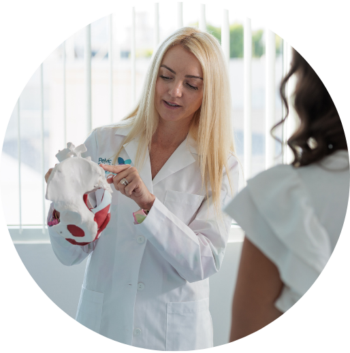
The typical symptoms of menopause include hot flashes, lower energy, and a strain on emotional health, but other lesser-known symptoms include pelvic pain and pelvic floor dysfunction, affecting 57% of women experiencing menopause.
Pelvic pain during perimenopause and menopause can be related to hormonal changes as well as pelvic floor muscle dysfunction, nerve irritation, vulvovaginal changes, bladder symptoms, and other pelvic conditions. Pain with sex, vaginal or vulvar discomfort, urinary symptoms, and pelvic pressure should not simply be dismissed as a normal part of aging.
Menopausal pelvic pain is the result of hormonal changes in the body that are causing the vaginal walls to thin, become dry, and sometimes inflamed. Menopause can also cause pelvic floor dysfunction, as your muscles are no longer as plump as they used to be, tissues and nerves become more sensitive, and energy levels are decreasing.
While many women hear of and are familiar with the common symptoms associated with menopause, menopause can also affect the pelvic floor, resulting in pain and dysfunction, and is very common in women going through menopause.
The symptoms of pain and dysfunction associated with menopause are the direct effect of the hormonal and other changes happening in a womans’ body.
Hormone levels drop
Your muscles are not as plump… Your muscles are not as plump due to low estrogen
Tissues become more sensitive, nerves become… Tissues become more sensitive, nerves become more sensitive
While the symptoms of pelvic pain due to menopause are usually caused by hormone changes, there are other factors which may increase the risk of pain and dysfunction in the pelvic floor.
Scar tissue as a result of abdominal-pelvic surgery such as C-Section
Fibroids
Endometriosis
Inflammatory bowel disease
Fibromyalgia
Depression or anxiety
Diagnosing the symptoms associated with menopausal pelvic pain requires an in-depth examination of both the nerves and muscles within the pelvis, learning of your medical history, and getting a full picture of your symptoms and lifestyle.
Here’s what you can expect when you are a patient at Pelvic Rehabilitation Medicine:
Step One – First, our providers will ask questions about your medical history and listen to your symptoms to get a full picture of what is going on with you.
Step Two – Next, an external exam of your hips, abdomen, and posterior sacrum.
Step Three – Next, your pelvic nerves are evaluated externally with a soft cotton tip.
Step Four – Next, with your consent, gel is placed on a gloved finger and an internal exam is performed to allow us to evaluate the nerves and muscles within the pelvis. There is no speculum required as we are evaluating the pelvic floor muscles and nerves not the organs.
Step Five – Sometimes patients will need Imaging to help us understand if there is an associated cause of the pelvic nerve and muscle pain and dysfunction found on exam.
Step Six – Oftentimes, treatment can be started the same day as there is no down time. Our patients have been suffering with pelvic pain symptoms for 6+ months. We like to get them on the road to feeling better as soon as we can as the longer the symptoms are present the harder it is for us to resolve them.
Once a proper diagnosis has been given, we offer a proprietary office-based procedure to treat the pelvic pain and pelvic floor dysfunction associated with menopause. This treatment consists of a series of pelvic nerve and muscle treatments to directly target the spastic pelvic floor muscles, inflammation in the pelvis, and nerve pain. Depending on the severity of your menopausal pelvic pain, other modalities may be needed in addition to our treatment.
Declining estrogen can affect the vulvar, vaginal, urinary, and pelvic tissues. At the same time, pelvic floor muscle tension, nerve irritation, prior injuries or surgeries, and existing pelvic pain conditions may contribute to symptoms.
Symptoms may include vaginal or vulvar burning, pain with intercourse, pelvic pressure or aching, urinary urgency or frequency, bladder discomfort, and pelvic floor muscle pain or tightness.
Pain with sex is common, but it should not be considered something you simply have to live with. Vaginal tissue changes, dryness, pelvic floor muscle spasm, nerve pain, and other conditions can all contribute and may be treatable.
Evaluation may include a detailed history, assessment of hormonal and gynecologic factors, and examination of the pelvic floor muscles and nerves. The goal is to identify which tissues and systems are contributing to the pain rather than assuming hormones are the only cause.
Treatment depends on the cause but the PRM Protocol™ is proven to help with irritated pelvic nerves or spastic muscles. Other treatments are vaginal moisturizers or lubricants and hormone-based or other medical therapies when appropriate. Care is individualized to the patient’s symptoms and medical history.
Dr. Allyson Shrikhande, PRM’s Co-Founder and Chief Medical Officer, served as medical reviewer and expert source…
Dr. Allyson Shrikhande had a blog published in Rosy discussing Chronic Pelvic Pain Syndrome (CPPS).
Dr. Allyson Shrikhande had a discussion with Dr. Melanie Carminati of Inspira Physical Therapy.
In this episode of the Period Party Podcast, Dr. Shrikhande and Nicole Jardim talk about the…