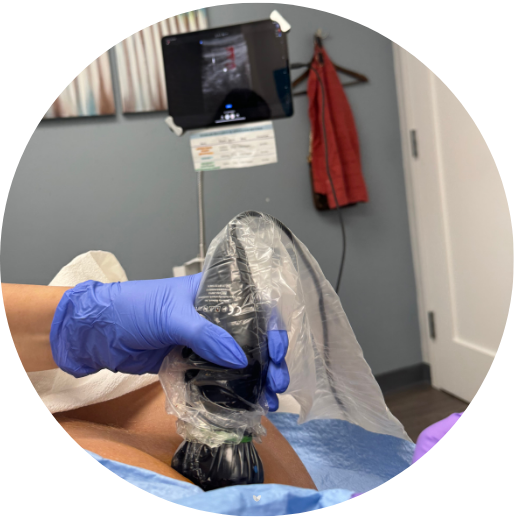
Women’s pelvic pain has been under-studied, underdiagnosed, and under-researched for decades.
To help address this gap, Pelvic Rehabilitation Medicine (PRM) recently published outcomes from 1,517 women treated for chronic pelvic pain using the PRM Protocol™, a non-surgical, office-based treatment approach.
The study, published in the Journal of Gynecology Obstetrics and Human Reproduction, represents one of the largest real-world datasets evaluating treatment outcomes in women with chronic pelvic pain.
Chronic pelvic pain affects millions of women and can impact every aspect of daily life – from work and sleep to relationships and mental well-being.
Yet despite its prevalence, women often spend years searching for answers and effective treatment options.
In our study, this research helps advance the understanding of chronic pelvic pain and highlights outcomes that matter most to patients.

82.7% of patients had been living with pelvic pain for at least one year

More than half had experienced symptoms for five years or longer

Many had already tried multiple treatments before seeking care at PRM
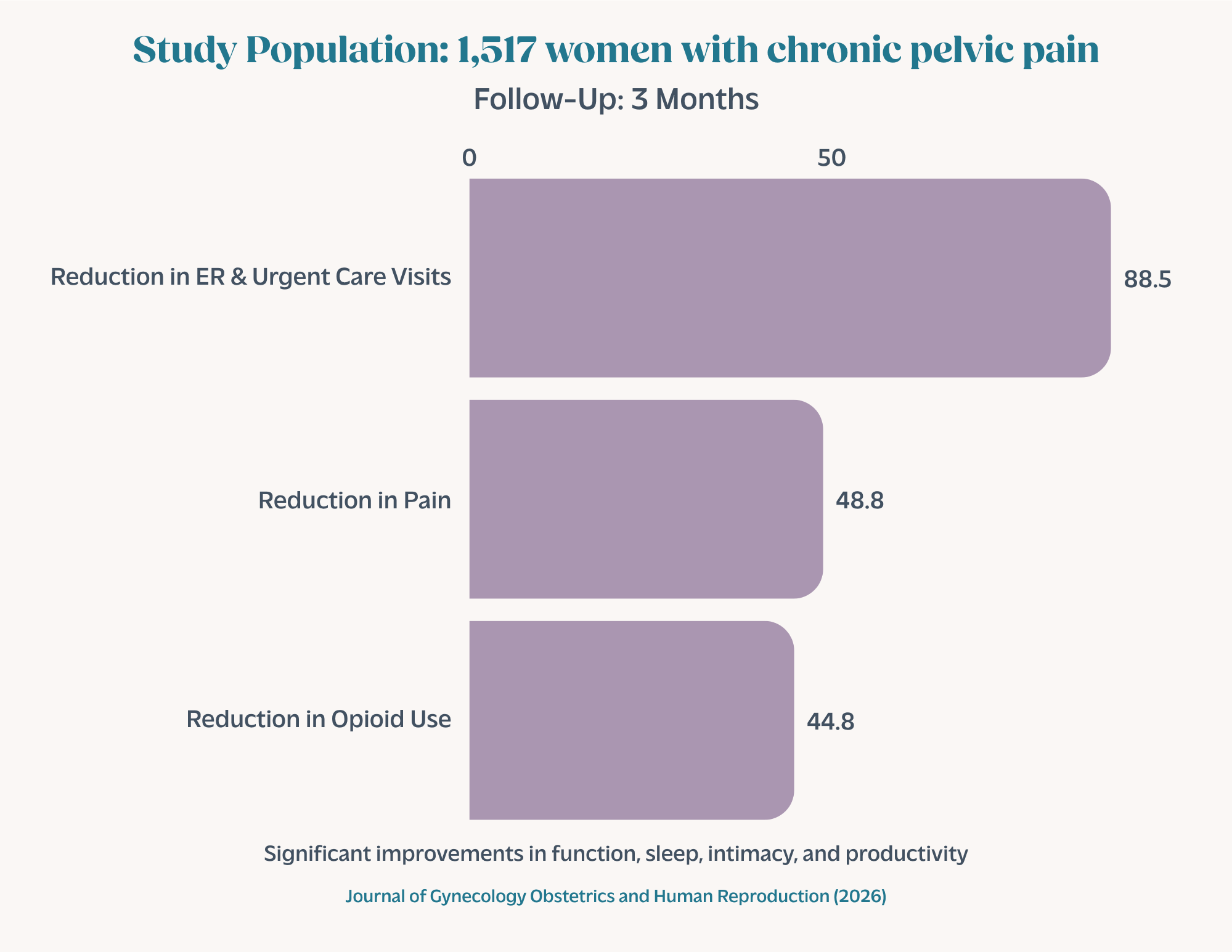
48.8% reduction in pain

88.5% reduction in ER visits

44.8% reduction in opioid use

Significant improvements in function, sleep, intimacy, and productivity
Reduction in Pain
Reduction in ER & Urgent Care Visits
Before treatment, many patients reported seeking emergency care due to pelvic pain.
Following treatment, emergency and urgent care utilization related to pelvic pain decreased by nearly 90%.
Reduction in Opioid Use
The study found a significant reduction in opioid use following treatment, highlighting the potential value of treatment approaches focused on restoring function rather than masking symptoms.
Bladder Function
Bowel Function
Walking & Mobility
Sleep
Patients experienced a 16.7% improvement in sexual function, according to the chronic pelvic pain treatment research.
Pelvic pain can impact intimacy, relationships, confidence, and emotional well-being. This study reinforces the importance of evaluating quality-of-life outcomes alongside pain reduction.
Chronic pelvic pain affects careers, finances, and everyday responsibilities.
Following treatment:
These findings demonstrate the broader personal and economic impact of chronic pelvic pain treatment.
The PRM Protocol™ is a minimally invasive, office-based treatment designed to address neuromusculoskeletal contributors to chronic pelvic pain.
Treatment includes:
The protocol is performed in-office and allows most patients to return to normal daily activities shortly after treatment.
Women’s pelvic pain has historically received limited research attention despite its significant impact on quality of life.
PRM remains committed to advancing research, improving access to specialized care, and generating meaningful outcomes data that help improve the lives of patients living with chronic pelvic pain.
Our pelvic pain specialists are experts in recognizing the symptoms of and diagnosing pelvic pain conditions. With The PRM Protocol™, we go further than addressing the symptoms on the surface – we treat the underlying causes of pelvic pain.