What is pelvic floor pain?
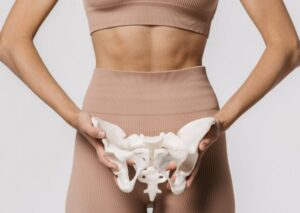
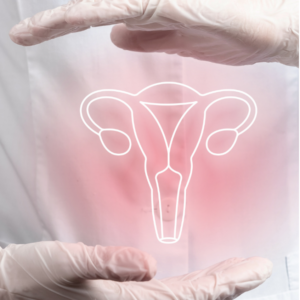
Pelvic floor pain is a debilitating condition affecting both men and women. The pelvic floor is a group of muscles, ligaments, and connective tissue that supports the pelvic organs, including the bladder, uterus, rectum, and internal reproductive organs.
Muscle tension, nerve irritation, hormonal disbalance, and inflammation can cause pain in this area. The pain can be brought about by a variety of conditions, such as pelvic inflammatory disease, endometriosis, interstitial cystitis, and irritable bowel syndrome. Pregnancy, childbirth, traumatic injury, and surgery can also play a role in chronic pelvic floor pain.
Because chronic, persistent pelvic pain is so multifaceted, its treatment also requires a multi-tiered approach. Many patients experience frustration with ineffectual treatment plans or providers that either do not take them seriously or work collaboratively to maximize their outcomes.
What does pelvic floor pain feel like?
Pain can feel different for different people. It can depend on a person’s gender, morphology, and underlying conditions.
Common symptoms include:
- A dull ache or pressure in the pelvic area
- A sharp or stabbing pain in the lower abdomen, groin, or rectum
- Pain during or after sexual activity
- Pain during or after urination or bowel movements
- Pain after ejaculation
- Difficulty or pain when inserting a tampon
- Pain or discomfort while sitting or standing for long periods
- Lower back pain or tailbone pain
- Tightness or discomfort in the pelvic area
Pain in the pelvic floor can be accompanied by other symptoms, such as urinary and bowel issues, and erectile and other forms of sexual dysfunction.
Pelvic floor pain in women
Chronic pelvic pain affects as many as 15% of women in the United States. Female-specific conditions such as endometriosis, adenomyosis, or polycystic ovarian syndrome and experiences such as childbirth or hysterectomies contribute to pelvic floor pain. Pelvic floor pain can be acute. It can be short-lived. But it can also be chronic and severely interrupt a woman’s quality of life.
Pelvic floor pain in men
An estimated 10% of men in the United States suffer as well. From hernias to hemorrhoids, prostate or testicular pain, men encounter a wide range of conditions that can play a part in pelvic floor pain. These topics touch upon sexual function, bowel and bladder health, and prostate issues and are often sensitive in nature.
Who treats pelvic floor pain?
At Pelvic Rehabilitation Medicine, we believe that pelvic pain deserves a better way of treatment – patients deserve pelvic pain specialists who validate their pain, advocate for their care, and treat the source of their symptoms every time. Pelvic pain, and its associated conditions, such as endometriosis, are often silent and our patients have been silenced. It has been underdiagnosed, undertreated and ignored. Our patients are demanding a better way to treat their pain. We are offering a better way to provide the quality of life that our patients deserve.
Where does pelvic floor pain originate?
Some common causes of pain in the pelvic floor include:
- Muscular tension
- Nerve irritation
- Inflammation
- Hormonal imbalances
- Trauma or damage to the pelvic area
When these causes are brought on by disease or trauma, a cascade of interconnected symptoms can foster, compound, and prolong pain. Healing this type of complex and persistent pelvic floor pain requires a comprehensive strategy that mobilizes various fields of knowledge. As part of PRM’s care approach, we will work with the necessary specialists to help you heal.
What strategies help heal pelvic floor pain?
We treat patients with pelvic floor pain through the PRM Protocol™,proprietary, simple, office-based procedure to treat the symptoms of chronic pelvic pain by a direct treatment of inflamed pelvic nerves and spastic pelvic muscles. This treatment consists of a series of pelvic nerve and muscle treatments to target inflammation in the pelvis, nerve pain and pelvic floor muscle spasm. With the PRM Protocol™, we Reverse the inflammatory cascade caused by chronic pain conditions, Reset the pelvic environment for pain-free living, and Retrain the pelvic floor nerves and muscles for optimal functionality.
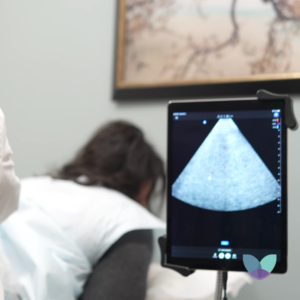
We know that pelvic pain patients are seeking answers for months to years with minimal sustained results. They are placed on multiple medications, including opioids, going from provider to provider searching for answers, and getting many tests with no significant improvement in symptoms. At PRM, we are changing that. The treatment options before the PRM Protocol™ were limited, invasive, and uncomfortable for pelvic pain patients. Dr. Allyson Shrikhande created a protocol that was safer and more comfortable, allowing for no anesthesia and no downtime (therefore less risk), and more effective than what was offered previously.