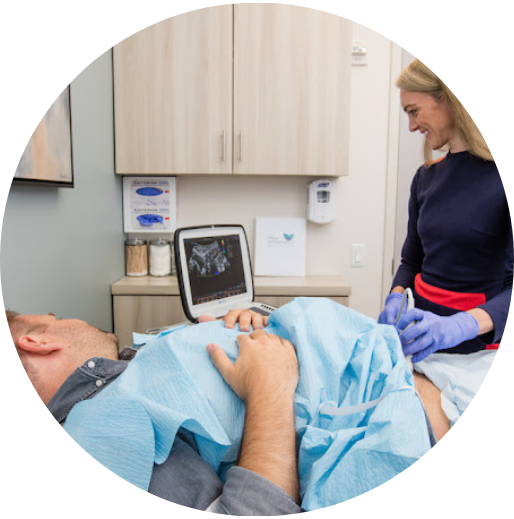
Understanding Groin Pain & Hernias

What is a Sports Hernia?

A sports hernia or athletic pubalgia is a condition of chronic exercise-related supra-inguinal groin pain which can present with a bulge in the inguinal wall whenever the abdominal muscles contract forcefully. In a sports hernia, there is no defect in the abdominal wall, however, the injury occurs in the form of tears and weakening in the deep layers of the abdominal wall.

Sports Hernia

Risk Factors

While a majority of patients presenting with sports hernias are athletic males, there are certain sports and other activities that can also increase the risk of experiencing a sports hernia.

  • icon

    Running

  • icon

    Skiing

  • icon

    Hurdling

  • icon

    Hockey

  • icon

    Soccer

  • icon

    Baseball

  • icon

    Tennis

Is Your Chronic Pain From A Sports Hernia?

Diagnosing Hernias

Diagnosing a sports hernia requires an in-depth examination of both the nerves and muscles within the pelvis, learning of your medical history, and getting a full picture of your symptoms and lifestyle.

Here’s what you can expect when you are a patient at Pelvic Rehabilitation Medicine:

  • icon

    Step One – First, our providers will ask questions about your medical history and listen to your symptoms to get a full picture of what is going on with you.

  • icon

    Step Two – Next, an external exam of your hips, abdomen, and posterior sacrum.

  • icon

    Step Three – Next, your pelvic nerves are evaluated externally with a soft cotton tip.

  • icon

    Step Four – Next, with your consent, gel is placed on a gloved finger and an internal exam is performed to allow us to evaluate the nerves and muscles within the pelvis. There is no speculum required as we are evaluating the pelvic floor muscles and nerves not the organs.

  • icon

    Step Five – Sometimes patients will need Imaging to help us understand if there is an associated cause of the pelvic nerve and muscle pain and dysfunction found on exam.

  • icon

    Step Six – Oftentimes, treatment can be started the same day as there is no down time. Our patients have been suffering with pelvic pain symptoms for 6+ months. We like to get them on the road to feeling better as soon as we can as the longer the symptoms are present the harder it is for us to resolve them.

Schedule Your Appointment

Take the first step towards your healing journey by booking a free 15-minute consultation or new patient visit with a pelvic pain specialist today.

In the News & From Our Providers