• Englewood, NJ
  • Florham Park, NJ
  • Manhattan, NY
  • Long Island, NY

Gynecologic Surgeon & Endometriosis Excision Specialist

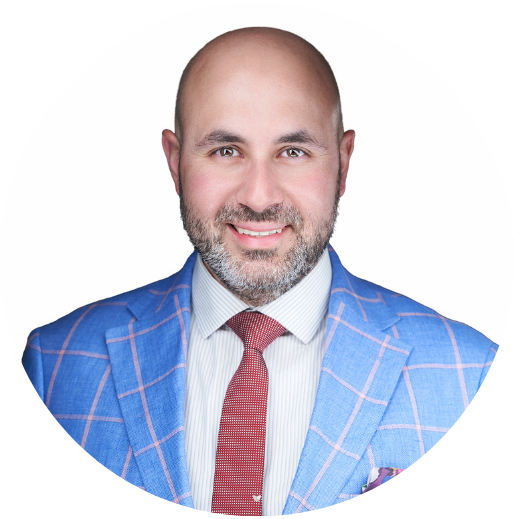
Faraj Touchan, MD

 

Dr. Faraj Touchan is a gynecologic surgeon specializing in endometriosis excision surgery using minimally invasive and robotic-assisted techniques in New Jersey and New York. He operates at Chilton Medical Center-Atlantic Health System, Cooperman Barnabas Medical Center, RWJ Barnabas Medical-Clara Maass and Englewood Hospital in New Jersey. With over a decade of experience, he performs more than 250 complex gynecologic procedures annually and has completed over 600 complex robotic cases, including advanced endometriosis and myomectomy surgeries. He treats deep infiltrating endometriosis, including cases involving the bowel, bladder, and ureters.

He takes a patient-first approach, tailoring each surgical plan to prioritize pain relief, fertility preservation, and long-term quality of life. His expertise extends beyond surgery, integrating PRM’s multidisciplinary care model to support recovery and overall patient well-being.

Dr. Touchan is a dedicated educator and has trained future surgeons and presented at major medical conferences. He is an active member of ACOG, AAGL, and other leading gynecologic organizations. As part of PRM’s Center of Excellence in New Jersey, he is committed to delivering advanced surgical care and innovative treatment strategies for patients with endometriosis.

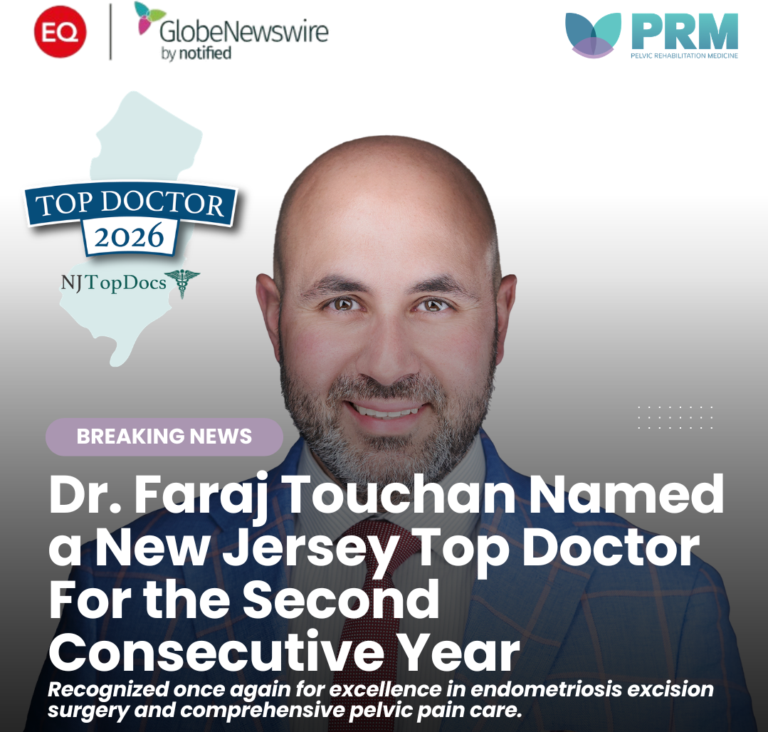
Dr. Touchan has been recognized by NJ Top Docs in 2025 for minimally invasive gynecologic surgery in New Jersey. Learn more!


Follow Dr. Touchan on Instagram

Your Gynecologic Surgeon

Meet Dr. Touchan

As a strong believer in a multidiscplinary whole-patient care approach, Dr. Faraj Touchan addresses pain, fertility and overall well-being.

He actively partners with his patients to help them regain their quality of life with a commitment to compassionate patient first care and dedication to empowering patients through educationa dn focus on improving their quality of life – not just managing their symptoms.

In Faraj Touchan's Words

What is your approach to treating endometriosis?

Endometriosis is my passion. I feel deeply for the pain and suffering every patient encounters. Caring for endometriosis patients requires a holistic, medical surgical patient centered approach that addresses both the physical and emotional aspects of the condition, with detailed assessment and individualized plan to achieve best results possible.

What does PRM’s mission of decreasing the time patients are suffering with pelvic pain mean to you, as it relates to endometriosis?

The prolonged suffering patients have before diagnosis and effective treatment due to lack of medical attention and expertise in the disease lead to central sensitization which is very difficult to treat even with effective treatment, so because of that PRM’s approach is ideal to desensitize hyperactive receptors and make it the best approach in my opinion a combination of desensitization and excision to achieve best relief for patients.

Why is pre and post-habilitation important for those undergoing excision surgery?

Endometriosis is a unique disease and requires lifelong journey of support and treatment, recurrence is a trademark for the disease, and offering pre and post habilitation is essential for successful excision surgery, optimize outcomes, enhance recovery and improve long-term quality of life.

How many complex gynecologic surgeries have you performed / do you perform yearly on average?

I performed hundreds of complex Gynecologic procedures mostly and exclusively in a minimally invasive approach over 250 cases per year and utilizing the art of robotics for over 75% of these cases.

What are your endometriosis areas of expertise?

With the aid of robotic surgery I was able to resect lesions from lot of areas including, uterus, tubes, ovaries, bladder wall, retroperitoneal, over ureter course, small and large bowel with assistance of colo-rectal surgeons if needed, even from diaphragm in rare occasions.

How do you preserve fertility, when desired, during surgeries?

Fertility is a huge aspect of endometriosis surgery and preserving it is always the main goal in young patients which are the majority, careful dissection and complete resection is key for fertility. Also, deep knowledge of anatomy and careful energy free resection is vital in saving ovarian reserve.

My commitment to patients

I have a commitment to compassionate patient first care, dedication to empowering patients through education and focus on improving quality of life, not just managing symptoms.

I am a strong believer in a multidisciplinary whole patient approach that addresses pain, fertility, and overall well-being.
I partner with my patients to help them regain their quality of life.

What events or publications have you been featured?

Presenter at multiple AAGL Summits.

Member of ACOG, AAGL, Endometriosis Foundation, Fibroids Foundation.

Prior teaching faculty university at buffalo, and prior director of laparoscopic surgery resident teaching at st barnabas medical center.

What are some of your career highlights?

Extensive surgical training by Gyn Oncologists to master very difficult and deep spaces resection

Received ABOG designated speciality in minimally invasive Gynecologic Surgery

Extensive over 10 years expertise in robotic resection of endometriosis and complex gynecologic procedures.
I believe in patient-first philosophy such as pain relief, fertility preservation, and over all quality of life

I ran the 2024 NYC Marathon in support of endometriosis patients, supporting their pain and suffering

Won resident teaching award for excellence in teaching for Minimally invasive GYN surgery

Selected Publications

  • “Laparoscopic-assisted myomectomy with uterine artery occlusion at a freestanding ambulatory surgery center: a case series” View paper

Frequently Asked Questions

What is endometriosis excision surgery?

Endometriosis excision surgery is an advanced minimally invasive procedure that involves carefully identifying and removing endometriosis lesions from affected areas while preserving healthy tissue. Unlike approaches that only treat visible disease on the surface, excision surgery focuses on removing endometriosis at its root to help reduce symptoms and improve quality of life. At PRM, fellowship-trained minimally invasive gynecologic surgeons use advanced laparoscopic techniques and comprehensive evaluation to develop individualized treatment plans based on each patient’s symptoms, goals, and disease severity.

How do I know if I need endometriosis surgery?

Endometriosis surgery may be considered for patients whose symptoms are not adequately controlled with medications or hormonal treatments, whose pain significantly impacts daily life, or who are experiencing fertility challenges. Surgery may also be recommended when imaging or evaluation suggests deeper disease, such as endometriosis involving the bowel, bladder, or other pelvic structures. Common reasons to consider an endometriosis surgery consultation include persistent pelvic pain despite medical treatment, painful periods, painful intercourse, gastrointestinal or bladder symptoms, difficulty conceiving, or findings such as endometriomas or deep infiltrating endometriosis. During an evaluation at PRM, providers review your symptoms, medical history, imaging, and treatment goals to determine whether excision surgery is the right option for you and develop a personalized care plan.

What should I expect during an endometriosis surgery consultation?

During an endometriosis surgery consultation at PRM, patients can expect a comprehensive evaluation focused on understanding their symptoms, medical history, and treatment goals. The surgeon will review your experience with pelvic pain, painful periods, painful intercourse, bowel or bladder symptoms, previous diagnoses, and any prior treatments. The consultation may include a physical and pelvic exam to evaluate areas of tenderness, pelvic floor muscle dysfunction, scarring, or other findings that may contribute to symptoms. Additional imaging, such as specialized pelvic ultrasound or MRI, may be recommended to better understand the location and extent of endometriosis. Your surgeon will also discuss whether excision surgery is appropriate, explain the surgical approach, and review what to expect before, during, and after the procedure. PRM’s approach includes personalized pre- and post-operative care, which may involve pelvic rehabilitation, lifestyle strategies, and other treatments to support healing and long-term outcomes.

What makes PRM’s endometriosis surgeons different?

PRM’s endometriosis surgeons specialize in advanced laparoscopic excision surgery and care for patients through a fully integrated, multidisciplinary approach. Unlike a surgery only model, PRM combines surgical expertise with pelvic pain care to address the inflammation, nerve sensitivity, and pelvic floor dysfunction that can contribute to ongoing symptoms. PRM’s fellowship-trained Minimally Invasive Gynecologic Surgeons (MIGS) have specialized training in complex excision surgery and treat advanced endometriosis, including cases involving areas such as the bowel, bladder, and diaphragm. Their approach also includes comprehensive support before and after surgery, including pelvic rehabilitation through the PRM Protocol™ to help reduce pain, support healing, and improve long-term outcomes. PRM focuses on personalized, whole-body care designed to help patients achieve meaningful relief while reducing the need for repeated procedures. Providers also evaluate patients clinically based on symptoms, medical history, and physical examination, allowing treatment planning to begin without waiting for surgical confirmation.

Can endometriosis surgery improve fertility?

Yes, endometriosis excision surgery can improve fertility for some patients by removing endometriosis lesions, treating scar tissue and adhesions, restoring normal pelvic anatomy, and reducing inflammation that may interfere with conception. The impact of surgery depends on factors such as the severity of endometriosis, age, ovarian reserve, and overall fertility health. For patients with mild to moderate endometriosis, removing visible disease may improve the chances of spontaneous pregnancy. In more advanced cases, surgery may help restore the relationship between the ovaries, fallopian tubes, and surrounding pelvic structures to support reproductive goals. At PRM, providers consider each patient’s fertility goals and individual circumstances when determining whether surgery is the right approach and how it fits into a broader fertility plan.

What is recovery like after endometriosis excision surgery?

Recovery after endometriosis excision surgery varies depending on the extent of disease treated and each patient’s healing process. Many patients experience gradual improvement over the first several months rather than immediate relief. The first menstrual cycle after surgery (typically 4–8 weeks post-surgery) may be the most challenging, with some patients experiencing increased cramping, pelvic pain, or heavier bleeding as the body heals. By the second cycle, many patients begin noticing improvements, and within three to six months, patients often report reduced pain, improved energy, and better daily function. At PRM, recovery is supported through a comprehensive approach that combines surgical expertise with individualized follow-up care and additional treatments when needed to support long-term healing and quality of life.

Insurance

Blue Cross Blue Shield
Aetna
Cigna
UnitedHealthcare
Check Your Coverage

What Patients Say About Faraj Touchan

Google Reviews
No reviews match those filters.
RJ Q
RJ Q Florham Park, NJ
★ ★ ★ ★ ★

Ladies, if you’ve found Dr. Touchan, STOP LOOKING for another doctor and book your first consultation! After seeing six other GYNs who lacked basic compassion and completely dismissed the pain I was experiencing, I had almost lost hope. One appointment with Dr. Touchan provided more emotional relief, answers, and reassurance than I had received in years. For the first time, a doctor made me feel heard and validated. He assured me that what I was experiencing was not normal and, most importantly, that it was not all in my head. He immediately ordered the necessary tests—tests I had been asking other doctors for over the years. Those investigations revealed not only adenomyosis, but also arthritis in both hips and issues with two discs in my lower back. Within three weeks of receiving my diagnosis, I underwent a hysterectomy. The support and care I have received before, during, and after surgery have been incredibly comforting. I’m now eight weeks post-op, and abdominally, I can honestly say I haven’t felt this good since before puberty—and I’m 48 years old! If it weren’t for Dr. Touchan’s thoroughness, experience, and willingness to listen, I truly believe I would still be living with daily pain. PMOS and adenomyosis took so much of my life and limited my ability to do the things I love. Now, I’m slowly progressing toward a new version of myself. Once I have my hip replacements, I’m excited to see what the future holds. I finally feel like I’m getting my life back. I will be forever grateful to Dr. Touchan. His bedside manner, compassion, and precise surgical technique are truly exceptional. More doctors—especially male doctors—could learn so much from the way he treats his patients. Thank you, Dr. Touchan, for listening, believing me, and helping me take the first steps toward a pain-free future. ❤️

a month ago
Tegan Stuart
Tegan Stuart Florham Park, NJ
★ ★ ★ ★ ★

I’m forever grateful that I found PRM. The entire team is professional and kind. Ericka is my orange angel. It takes a special kind of provider to make intimate pain injections a therapeutic experience. I couldn’t have been in better hands. The team helped me to find a PT, OBGYN and to meet with Dr. Touchan for surgery, despite my stubbornness. He also made me feel safe and cared for so I have surgery a green light. He ended up finding extensive stage endometriosis and conducting a long and skillful operation. Throughout the entire process the team helped me through all the finance and work documents. Allison, Jasmine and Marielle are all amazing at what they do

4 months ago
Samantha
Samantha Dr. Faraj Touchan
★ ★ ★ ★ ★

He did my Endo surgery and I was back to work healed pain free feeling better in two weeks

a year ago
Nicole Bolton
Nicole Bolton Dr. Faraj Touchan
★ ★ ★ ★ ★

Dr Touchan is a VERY caring and compassionate physician. I hadn’t had a checkup or Pap or mammogram in years bc of life circumstances and he didn’t make me feel awful about it. My exam showed the need for an abdominal ultrasound and he did a great job explaining the situation and my options. Chrissy the nurse is great and Cynthia the surgical coordinator was as well. Everyone in that office is kind and professional. My surgery was more extensive than it seemed I told be based on the ultrasound but I healed well and Dr.Touchan was great with following up.

a year ago
Mayah Walker
Mayah Walker Dr. Faraj Touchan
★ ★ ★ ★ ★
a year ago

Articles & News Featuring Faraj Touchan, MD

Surgery FAQ's

Endometriosis excision surgery is an advanced minimally invasive procedure that involves carefully identifying and removing endometriosis lesions from affected areas while preserving healthy tissue. Unlike approaches that only treat visible disease on the surface, excision surgery focuses on removing endometriosis at its root to help reduce symptoms and improve quality of life. At PRM, fellowship-trained minimally invasive gynecologic surgeons use advanced laparoscopic techniques and comprehensive evaluation to develop individualized treatment plans based on each patient’s symptoms, goals, and disease severity.

Endometriosis surgery may be considered for patients whose symptoms are not adequately controlled with medications or hormonal treatments, whose pain significantly impacts daily life, or who are experiencing fertility challenges. Surgery may also be recommended when imaging or evaluation suggests deeper disease, such as endometriosis involving the bowel, bladder, or other pelvic structures. Common reasons to consider an endometriosis surgery consultation include persistent pelvic pain despite medical treatment, painful periods, painful intercourse, gastrointestinal or bladder symptoms, difficulty conceiving, or findings such as endometriomas or deep infiltrating endometriosis. During an evaluation at PRM, providers review your symptoms, medical history, imaging, and treatment goals to determine whether excision surgery is the right option for you and develop a personalized care plan.

During an endometriosis surgery consultation at PRM, patients can expect a comprehensive evaluation focused on understanding their symptoms, medical history, and treatment goals. The surgeon will review your experience with pelvic pain, painful periods, painful intercourse, bowel or bladder symptoms, previous diagnoses, and any prior treatments. The consultation may include a physical and pelvic exam to evaluate areas of tenderness, pelvic floor muscle dysfunction, scarring, or other findings that may contribute to symptoms. Additional imaging, such as specialized pelvic ultrasound or MRI, may be recommended to better understand the location and extent of endometriosis. Your surgeon will also discuss whether excision surgery is appropriate, explain the surgical approach, and review what to expect before, during, and after the procedure. PRM’s approach includes personalized pre- and post-operative care, which may involve pelvic rehabilitation, lifestyle strategies, and other treatments to support healing and long-term outcomes.

PRM’s endometriosis surgeons specialize in advanced laparoscopic excision surgery and care for patients through a fully integrated, multidisciplinary approach. Unlike a surgery only model, PRM combines surgical expertise with pelvic pain care to address the inflammation, nerve sensitivity, and pelvic floor dysfunction that can contribute to ongoing symptoms. PRM’s fellowship-trained Minimally Invasive Gynecologic Surgeons (MIGS) have specialized training in complex excision surgery and treat advanced endometriosis, including cases involving areas such as the bowel, bladder, and diaphragm. Their approach also includes comprehensive support before and after surgery, including pelvic rehabilitation through the PRM Protocol™ to help reduce pain, support healing, and improve long-term outcomes. PRM focuses on personalized, whole-body care designed to help patients achieve meaningful relief while reducing the need for repeated procedures. Providers also evaluate patients clinically based on symptoms, medical history, and physical examination, allowing treatment planning to begin without waiting for surgical confirmation.

Yes, endometriosis excision surgery can improve fertility for some patients by removing endometriosis lesions, treating scar tissue and adhesions, restoring normal pelvic anatomy, and reducing inflammation that may interfere with conception. The impact of surgery depends on factors such as the severity of endometriosis, age, ovarian reserve, and overall fertility health. For patients with mild to moderate endometriosis, removing visible disease may improve the chances of spontaneous pregnancy. In more advanced cases, surgery may help restore the relationship between the ovaries, fallopian tubes, and surrounding pelvic structures to support reproductive goals. At PRM, providers consider each patient’s fertility goals and individual circumstances when determining whether surgery is the right approach and how it fits into a broader fertility plan.

Recovery after endometriosis excision surgery varies depending on the extent of disease treated and each patient’s healing process. Many patients experience gradual improvement over the first several months rather than immediate relief. The first menstrual cycle after surgery (typically 4–8 weeks post-surgery) may be the most challenging, with some patients experiencing increased cramping, pelvic pain, or heavier bleeding as the body heals. By the second cycle, many patients begin noticing improvements, and within three to six months, patients often report reduced pain, improved energy, and better daily function. At PRM, recovery is supported through a comprehensive approach that combines surgical expertise with individualized follow-up care and additional treatments when needed to support long-term healing and quality of life.