With expert input from Dr. Reza Askari, Gynecologic and Endometriosis Excision Surgeon at PRM in Los Angeles

When people think of endometriosis, they often associate it with adult women. But the truth is: endometriosis can begin far earlier than most realize—even before a young person starts their period. Research shows that symptoms of endometriosis can start as early as age 8 in premenarcheal individuals.
For too many, the early signs are overlooked or dismissed as “just bad periods.” But endometriosis is not just an adult disease. Nearly two-thirds of adults with endometriosis report having symptoms before the age of 20. Among adolescents who undergo diagnostic laparoscopy for pelvic pain, up to 64% are found to have endometriosis—most often in the early stages. These are not rare numbers. This is a real issue that deserves more attention.
The Symptoms Teens Experience Often Look Different
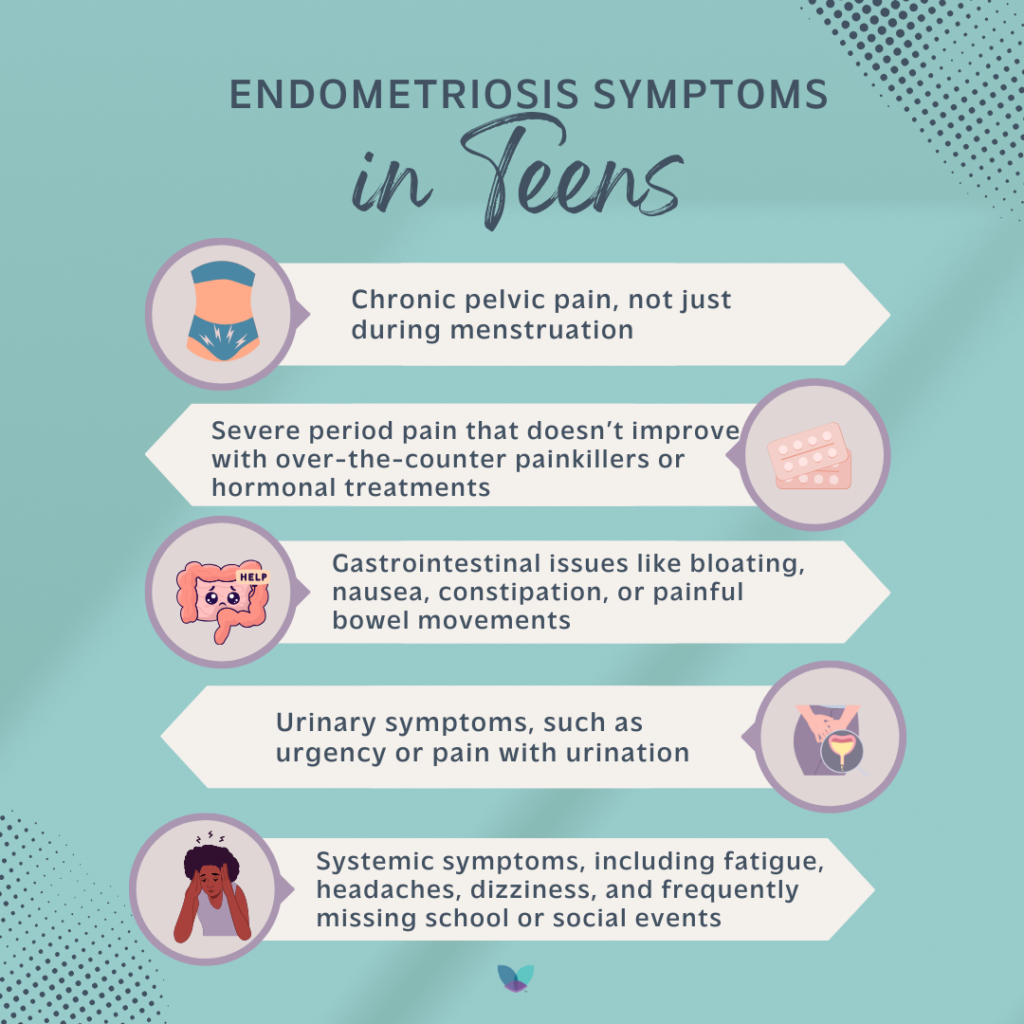
Diagnosing endometriosis in teens can be especially challenging because their symptoms can be atypical. Common signs that are frequently overlooked or misdiagnosed include:
- Chronic pelvic pain, not just during menstruation
- Severe period pain that doesn’t improve with over-the-counter painkillers or hormonal treatments
- Gastrointestinal issues like bloating, nausea, constipation, or painful bowel movements
- Urinary symptoms, such as urgency or pain with urination
- Systemic symptoms, including fatigue, headaches, dizziness, and frequently missing school or social events
Even more complicating, adolescents often don’t have the classic “powder-burn” lesions associated with endometriosis. Instead, they may have clear or red lesions that are harder to detect unless a surgeon is specially trained in recognizing endometriosis in teens.
Why Early Endometriosis Diagnosis Matters
On average, adolescents face a delay of nearly two years from the onset of symptoms to a diagnosis, often seeing three or more healthcare providers in that time. During this delay, the disease can progress, leading to more pain, greater emotional distress, and potential harm to reproductive organs.
Early diagnosis matters. It helps:
- Preserve fertility
- Prevent progression of disease
- Reduce the risk of chronic pain
- Avoid ineffective treatments and years of frustration
- Support mental and emotional well-being
Simply put, recognizing the symptoms early and connecting with the right specialist can change the course of a young person’s life.
How Specialists Approach Endometriosis in Adolescents
At PRM, we take a comprehensive, compassionate approach to treating endometriosis in younger patients. First-line treatment often includes NSAIDs and hormonal suppression (such as oral contraceptives or intrauterine devices). If pain continues beyond 3–6 months or quality of life is significantly impacted, more specialized care is needed. This may include diagnostic laparoscopy to confirm the diagnosis and excision surgery, which fully removes the lesions and offers more lasting relief, even in early-stage disease.
Because pain in adolescents can have both physical and emotional dimensions, treatment often includes:
- The PRM Protocol™, PRM’s patented, office-based treatment for pelvic pain
- Pelvic floor physical therapy
- Mental health support
- Ongoing care and monitoring
This holistic approach helps young patients regain control of their lives and feel supported on every level.
Early Treatment, Lifelong Impact
Identifying and treating endometriosis early can have lifelong benefits. It means less disruption to school and social life, fewer missed milestones, and better physical and emotional health. For many, it also protects their future fertility and improves long-term outcomes.
If your teen is experiencing symptoms that seem “beyond normal,” trust your instincts. Severe or persistent pelvic pain is not something anyone should have to live with. The earlier endometriosis is recognized, the sooner the right care can begin—and the better the future can be.