Pain during intercourse (dyspareunia) may stem from pelvic floor muscle tightness or spasms, pelvic nerve irritation, hormonal changes, past trauma or injury, or underlying gynecologic conditions.
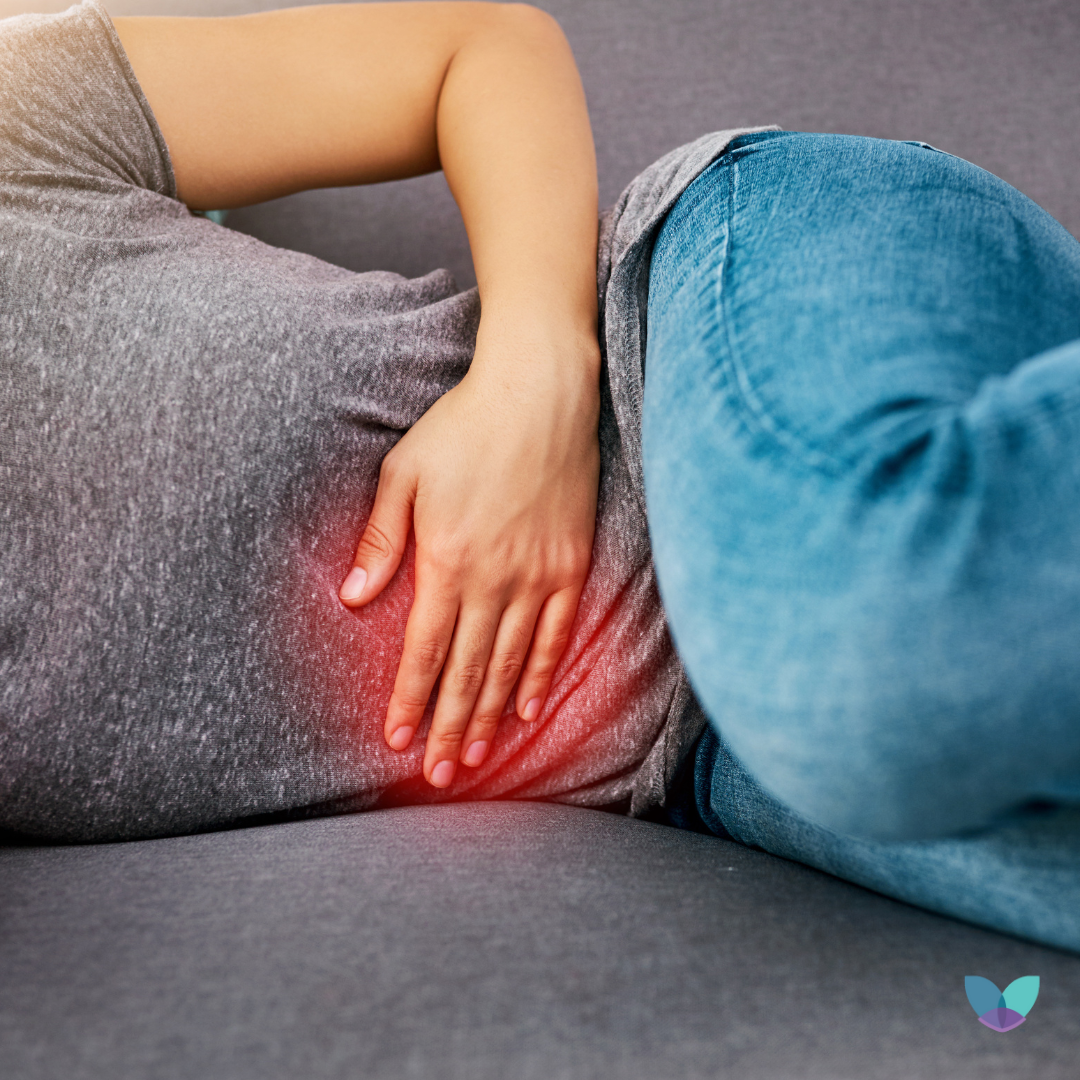
Pain during intercourse, or dyspareunia, can result from and be related to many factors, including endometriosis and a variety of pelvic floor conditions like pelvic floor muscle spasm, pelvic nerve irritation, hormonal influences, trauma, injury, or underlying gynecological issues. With many different causes.
Endometriosis specifically can lead to painful intercourse because lesions, scar tissue, and chronic muscle tension in the pelvic region cause inflammation, nerve irritation, and tight pelvic floor muscles that make penetration uncomfortable or painful. At PRM, treatment focuses on reducing inflammation and pelvic floor muscle spasms to improve comfort during intercourse and overall pelvic function in individuals with endometriosis-related pain.
Once we determine the correct diagnosis, we provide a proprietary, in-office treatment that focuses on addressing the root causes of pain during intercourse. This approach involves a series of specialized pelvic nerve and muscle treatments aimed at releasing tight pelvic floor muscles and reducing irritation and inflammation in the pelvic nerves involved in sexual function and orgasm. Based on your individual symptoms or condition, complementary therapies may be recommended as part of your care plan. Because pain with intercourse often has multiple contributing factors, the most successful outcomes come from a comprehensive, multimodal treatment approach that targets all sources of discomfort.
Experiencing pain during intercourse can be debilitating and discouraging, but our team of pelvic pain specialists will listen to you, validate your experiences and symptoms, and partner with you on your rehabilitation journey.
Yes. Affecting up to 5% of men, male dyspareunia is persistent or recurring pain within the genitals or pelvic floor with sexual activity, and can also refer to sexual dysfunction.
Yes, there is superficial dyspareunia which is pain at the vulva or opening of the vagina, and there is deep dyspareunia which is pain deep within the vagina or lower pelvis.
Painful intercourse can cause stress and anxiety around sex, resulting in a lowered ability to become aroused, and can cause problems within relationships. Additionally, pain with intercourse is the result of another underlying cause, which should be addressed so that the condition does not also become worse.
We recommend scheduling an appointment with one of our pelvic pain specialists if you have been experiencing the symptoms of pelvic pain for 6 months or longer.
First, our providers will ask questions about your medical history and listen to your symptoms to get a full picture of what is going on with you.
Next, an external exam of your hips, abdomen, and posterior sacrum.
Next, your pelvic nerves are evaluated externally with a soft cotton tip.
Next, with your consent, gel is placed on a gloved finger and an internal exam is performed to allow us to evaluate the nerves and muscles within the pelvis.
There is no speculum required as we are evaluating the pelvic floor muscles and nerves, not the organs.
Sometimes patients will need Imaging to help us understand if there is an associated cause of the pelvic nerve and muscle pain and dysfunction found on the exam.
Oftentimes, treatment can be started the same day as there is no downtime. Our patients have been suffering with pelvic pain symptoms for 6+ months. We like to get them on the road to feeling better as soon as we can as the longer the symptoms are present the harder it is for us to resolve them.

Our nationwide pelvic pain specialists are on the “front lines” of educating patients and healthcare providers throughout the country on pelvic pain.

You do not have to suffer in silence. You deserve a healthcare team that will listen to you and help you heal. Talk to one of our nationwide pelvic pain specialists today.