How to Reduce Inflammation and Pelvic Pain From Endometriosis
Endometriosis is more than just painful periods, it’s a complex inflammatory condition that can affect the muscles, nerves, and connective tissue of the pelvic floor. While excision surgery is the gold standard for removing endometriosis lesions, many patients continue to experience pain due to ongoing inflammation and pelvic floor dysfunction.
According to Lauren Warznie, PA-C, our Pelvic Pain Specialist at PRM in Troy, Michigan, treating endometriosis-related pain requires addressing both the disease itself and the inflammatory response it creates in the pelvic floor.
The good news? A comprehensive, multidisciplinary approach can significantly reduce inflammation and help you regain control of your life.
Why Endometriosis Causes Ongoing Inflammation and Pain
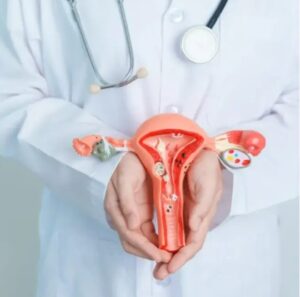
Endometriosis occurs when tissue similar to the lining of the uterus grows outside of it. These lesions trigger:
-
Chronic inflammation
-
Muscle guarding in the pelvic floor
-
Nerve irritation and sensitization
Over time, this can lead to:
-
Pain with sitting
-
Painful periods
-
Pain with intimacy
-
Bloating and pressure
Even after successful excision surgery, the pelvic floor muscles and nerves may remain inflamed and overactive, which is why treating the lesions alone is often not enough.
The Gold Standard: Excision Surgery
Excision surgery is the most effective way to remove endometriosis lesions at the root.
By surgically removing the disease:
-
The source of inflammation is eliminated
-
Disease progression is stopped
-
Long-term outcomes improve
However, surgery is just one part of a complete treatment plan. The inflammation in the pelvic floor muscles and nerves must also be treated to fully calm the pain cycle.
The Role of the Pelvic Floor in Endometriosis Pain
When endometriosis causes chronic pain, the pelvic floor muscles respond by tightening to protect the body.
This leads to:
-
Muscle spasms
-
Reduced blood flow
-
Increased nerve sensitivity
-
Ongoing inflammation
This is called pelvic floor dysfunction, and it is one of the most common reasons patients continue to have pain.
At PRM, treatment is designed to directly target these affected muscles and nerves to lower inflammation and restore function.
Treatments That Help Reduce Inflammation and Pain
1. The Anti-Inflammatory Diet
Nutrition plays a powerful role in calming the body’s inflammatory response.
An anti-inflammatory approach focuses on:
-
Whole, unprocessed foods
-
Fruits and vegetables
-
Healthy fats
-
Lean proteins
And reducing:
-
Processed foods
-
Excess sugar
-
Refined carbohydrates
Many patients notice improvements in bloating, pain flares, and energy levels.
2. Pelvic Floor Physical Therapy
Pelvic floor physical therapy helps retrain the muscles to:
-
Relax instead of guard
-
Improve circulation
-
Reduce tension
-
Restore normal function
This directly decreases inflammation and pain signaling in the pelvis.
3. The PRM Protocol™
The PRM Protocol™ focuses on treating the muscles and nerves of the pelvic floor that are driving inflammation and pain.
This targeted approach:
-
Calms irritated nerves
-
Releases chronically tight muscles
-
Improves blood flow
-
Reduces inflammatory signaling
For many patients, this is the missing piece between surgery and long-term relief.
4. Hormonal Treatment Options
Hormonal therapies can help manage symptoms by reducing the hormonal stimulation of endometriosis tissue.
Common options include:
Birth Control Pills
-
Help regulate cycles
-
Reduce pain and bleeding
Hormonal IUD
-
Works locally in the uterus
-
Fewer systemic side effects
-
Especially helpful for heavy bleeding
These treatments are often used as part of an individualized, comprehensive care plan.
Why a Multidisciplinary Approach Works Best
Endometriosis is not just a gynecologic condition, it’s a whole-pelvis condition.
The most successful treatment plans address:
✔ The disease itself (excision surgery)
✔ The inflamed muscles and nerves
✔ Hormonal balance
✔ Lifestyle and nutrition
This comprehensive strategy leads to:
-
Better pain relief
-
Improved function
-
Fewer repeat surgeries
-
Higher quality of life
Find Endometriosis Relief
At PRM , patients work with providers who specialize in identifying and treating the root causes of pelvic pain.
Through a personalized and comprehensive approach, PRM helps patients:
-
Reduce inflammation
-
Calm chronic pain
-
Restore daily function
-
Improve long-term outcomes
Take the First Step Toward Relief
If you’re living with endometriosis and pelvic pain, you are not alone, and effective treatment is available.
Request a consultation today to learn how a personalized treatment plan can help you reduce inflammation, calm your pain, and restore function.