Dr. Reza Askari Featured on Nancy’s Nook | Endometriosis Specialist in Los Angeles

Patients researching endometriosis specialists often encounter Nancy's Nook while searching for answers. Dr. Reza Askari is a fellowship-trained minimally invasive gynecologic surgeon specializing in complex endometriosis excision, fertility preservation, and patient-centered care in Los Angeles, California.
For many people living with endometriosis, finding the right surgeon begins with research.
Patients often spend years seeking answers before discovering educational resources like Nancy’s Nook, a platform dedicated to helping individuals learn more about endometriosis and specialized treatment options.
We are proud to share that Dr. Reza Askari, a fellowship-trained minimally invasive gynecologic surgeon and endometriosis excision specialist at PRM, is featured among the surgeons included within Nancy’s Nook’s educational resources.
No two patients experience endometriosis in the same way.
Some struggle with severe pain. Others face infertility, bowel symptoms, bladder symptoms, or symptoms that affect nearly every aspect of daily life.
Because the disease presents differently in every patient, Dr. Askari believes treatment should begin with understanding the person behind the diagnosis.
“My approach is actually pretty simple: I listen,” he explains. “Every patient’s journey is unique. The first step is hearing your story.”
This philosophy has become the foundation of his practice.
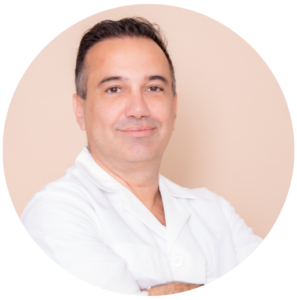
Dr. Askari is a fellowship-trained minimally invasive gynecologic surgeon who performs approximately 150 to 200 advanced gynecologic surgeries annually.
His expertise includes:
He has successfully treated endometriosis involving the bowel, bladder, ureters, diaphragm, and other complex pelvic structures.
For many patients, fertility preservation is a major concern when considering surgery.
Dr. Askari takes a thoughtful, conservative approach whenever possible, working to preserve ovarian function, protect reproductive organs, and support future family-building goals.
He frequently collaborates with reproductive endocrinologists and fertility specialists to ensure patients receive comprehensive care tailored to their long-term goals.
At PRM, surgery is viewed as one component of a larger healing process.
Dr. Askari believes that pre-habilitation and post-habilitation are essential parts of successful endometriosis treatment.
“Surgery is just one part of healing,” he explains. “What we do before and after matters a lot.”
Through the PRM Protocol™, patients receive support designed to address inflammation, pelvic floor dysfunction, and nerve-related pain before and after surgery.
For Dr. Askari, endometriosis care is personal.
The disease has affected members of his own family, shaping his understanding of the challenges many patients face throughout their diagnostic and treatment journeys.
“When I sit with a patient, I don’t just see a diagnosis,” he says. “I see a whole person.”
That perspective continues to guide his commitment to compassionate, patient-centered care.
Nancy’s Nook Endometriosis Education is an educational resource that helps patients learn more about endometriosis, treatment options, and specialized care. Many individuals researching endometriosis use its educational materials to better understand the disease and identify surgeons who focus on advanced endometriosis treatment.
When searching for an endometriosis specialist, patients often consider factors such as advanced surgical training, experience treating complex disease, fellowship training in minimally invasive gynecologic surgery, and a provider’s approach to individualized patient care.
Excision surgery is a technique used to surgically remove endometriosis lesions from affected tissues and organs. Unlike ablation, which destroys tissue at the surface, excision removes the disease and allows for pathologic confirmation.
Yes. In many cases, fertility-preserving techniques can be incorporated into endometriosis surgery. Treatment plans should be individualized based on disease severity, reproductive goals, and overall health.
Endometriosis often affects more than the visible disease itself. Pelvic floor dysfunction, inflammation, and chronic pain patterns can persist even after surgery. Pre- and post-operative rehabilitation may help support recovery and improve overall outcomes.
If you experience symptoms such as painful periods, chronic pelvic pain, pain with intercourse, bowel or bladder symptoms, infertility, or symptoms that have not improved with previous treatment, it may be beneficial to speak with a provider who specializes in endometriosis care.