
The PRM Protocol™ was born out of the want and need for a safer, more effective treatment for pelvic pain. We believe in providing not only a safe physical space for our patients, but a space that is emotionally safe as well. We do not take the trust of our endometriosis patients lightly and are always checking in with them to ensure they are feeling comfortable and supported.
Discover lasting relief from endometriosis pain with our proprietary, patented PRM Protocol™, available exclusively at PRM in Maryland.
Our data proves not only the efficacy of our treatment but shows that patients see exceptional outcomes.
Reduction in ER Visits
Patients Stated They Missed 0 Days of Work or School Due to their Pain
PRM Patients Note a Statistically Significant Improvement in Pain and Function
Reduction in Opioid Use
Interested in learning more? Fill out our form and our team of specialists will be in touch to discuss any questions you may have regarding treatment, your financial options, and more.
The PRM Protocol™ consists of a series of pelvic nerve and muscle treatments to target inflammation in the pelvis, nerve pain and pelvic floor muscle spasm. With the PRM Protocol™, we Reverse the inflammatory cascade caused by chronic pain conditions, Reset the pelvic environment for pain-free living, and Retrain the pelvic floor nerves and muscles for optimal functionality.
PRM is dedicated to providing specialized care for endometriosis. Our unique PRM Protocol™ is a pioneering method that aims to alleviate pelvic pain and improve the associated symptoms of endometriosis.
Our protocol focuses on preparing patients for endometriosis surgery by addressing pelvic floor nerve sensitivities and muscular issues through a pre-hab approach. By calming nerves and resolving myofascial problems, we strive to enhance surgical outcomes, reduce pain levels, decrease reliance on opioids, and expedite recovery, facilitating a quicker return to normal activities.
Furthermore, we continue to support patients post-surgery with our “post-hab” approach. Our strategy involves rehabilitating pelvic floor muscles and nerves to aid in the recovery process. By addressing pelvic trauma, our goal is to restore function, minimize irritation, and strengthen support structures, promoting a return to baseline health and enhancing overall pelvic wellness.
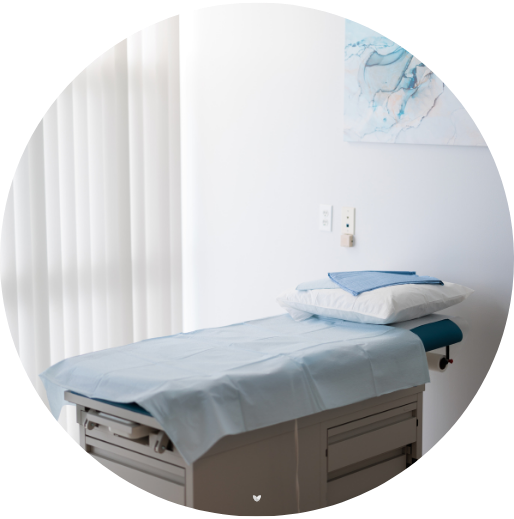
At PRM, we are dedicated to offering specialized care for endometriosis to the Bethesda community. Dr. Evan Friedman, MD, is a highly respected endometriosis excision surgeon and specialist renowned for his expertise in advanced surgical treatment of endometriosis. PRM provides patients with accessible, world-class care close to home.
What sets the PRM Center of Excellence apart from other surgical facilities is our unwavering commitment to a holistic approach in treating endometriosis through our proprietary PRM Protocol™.
With the groundbreaking PRM Protocol™, we employ a comprehensive strategy that addresses pelvic nerve and muscle dysfunction. Our approach is meticulously designed to reduce inflammation, alleviate nerve pain, and target pelvic floor muscle spasms—all while working to restore balance, minimize chronic inflammation, and retrain the pelvic floor for optimal function.
At PRM, our mission is to deliver compassionate, individualized care that empowers you to live free from the limitations of pain.
Endometriosis occurs when tissue similar to the uterine lining grows outside the uterus, causing inflammation, scar tissue, and chronic pain. These growths can affect the ovaries, pelvic ligaments, bowel, bladder, and surrounding nerves—leading to a wide range of symptoms.
Endometriosis pain is caused by inflammation, lesions, nerve irritation, and scar tissue buildup. Because endometriosis tissue responds to hormonal cycles, it can create ongoing pain that feels sharp, deep, or radiating into the abdomen, pelvis, and legs.
Endometriosis pain often feels deep, sharp, or aching and may occur on one or both sides of the pelvis. This pain can happen during your period, around ovulation, or even daily. Because endometrial-like tissue grows outside the uterus and responds to hormonal changes, inflammation builds up and irritates surrounding nerves. Over time, this can create chronic pelvic pain that interferes with work, daily activities, intimacy, and movement.
Endometriosis is one of the most common pelvic pain causes in women. This pain may feel like pressure, cramping, pulling, or burning deep in the pelvis. It may worsen before your period, during bowel movements, with exercise, or after long periods of sitting or standing. Many women are misdiagnosed for years before learning that their pelvic pain is caused by endometriosis.
“Endo belly” is the severe abdominal bloating associated with endometriosis. It may come on suddenly, sometimes causing the abdomen to swell several inches within hours. This bloating is often painful and linked to inflammation, hormonal shifts, fluid buildup, and how endometriosis affects the bowel. Many patients describe endo belly as one of the most disruptive symptoms because it affects comfort, digestion, and body confidence.
Endometriosis often causes more painful periods because lesions respond to hormonal cycles. Cramping may be severe and radiate into the back or legs. Heavy bleeding, clotting, nausea, and fatigue may accompany periods. If your period pain feels “too intense to be normal,” especially if it disrupts daily life, endometriosis may be the cause.
For some patients, ovulation can trigger sharp mid-cycle pain due to hormonal activity, inflamation, or ovarian involvement. This symptom may be mistaken for cysts, but is often tied to endo. Especially if it is accompanied by cycle-related bloating, cramping, or pelvic pressure.
Pain during sex is a common endometriosis symptom caused by inflammation, scar tissue, or lesions behind the uterus or around pelvic nerves. The pain may feel sharp, stabbing, or achy and can last hours or days after intercourse. This symptom is often underdiagnosed, but it is a key sign of endometriosis—especially when combined with pelvic pain after sex or cycle-related discomfort.
Endometriosis can irritate or compress nerves in the pelvis, especially the sciatic, obturator, or pudendal nerves. This can cause radiating leg pain that feels like tingling, numbness, throbbing, or heaviness. Some patients notice leg pain only during their period, while others feel it throughout the month. This symptom is often mistaken for orthopedic or back problems, but it can be a direct sign of endometriosis.
Endometriosis can affect the bowel or nearby nerves, causing digestive issues such as constipation, diarrhea, painful bowel movements, nausea, or bloating. These symptoms may flare with hormonal changes or inflammation. Digestive discomfort is extremely common in endometriosis and often overlaps with IBS-like symptoms.
Many endo patients also experience PMDD-like symptoms due to heightened hormonal sensitivity and inflammation. Symptoms may include severe mood swings, depression, anxiety, irritability, insomnia, and fatigue the week before your period. These emotional symptoms combined with physical pain can significantly affect wellbeing and quality of life.
Not always. Your muscles and nerves have been in a chronic state for a long time, and releasing them from this state will take time as well. Over the course of your 6 weeks of treatment, you will feel a reduction in inflammation due to the lessened restriction around the nerves, followed by less spastic nerves and muscles and a pelvic floor that is overall less painful and more functional.
The point of PRM’s treatment is that it is extremely safe due to using ultrasound guidance which allows us to see where the needle is being placed, and the side effects of our treatment are less than 0.001%.
Because our treatment aims to create space and force the muscles and nerves out of their tightened chronic-guarding state, patients may experience some soreness or aching following the injection. This is a normal reaction to space being created within the pelvic floor. You should always take the medication recommended by your pelvic pain specialist and follow their directions for how to take care of yourself following treatment.
We always watch for vasovagal, especially during a patient’s first treatment. This is a rare side effect that can be caused by patients being anxious about their appointments. We always combat this by providing our patients with a snack, and juice, and observing them while they sit on ice following treatment.
We know that excision surgery is the only way to REMOVE Endometriosis lesions and an important step to healing. However, overall at PRM our mission is to try and decrease the total number of surgeries our poor patients have to undergo in a lifetime as we often see patients who have repeat surgery after repeat surgery. Addressing comorbidities such as the pelvic floor and bladder before or after surgery can help optimize the surgical results and hopefully increase time before further surgery may be needed.
We treat patients regardless of the duration of pain. Patients who have been in pain longer may require additional courses of treatment, but a better quality of life can still be achieved.
A multimodal approach means you’re doing multiple treatments at the same time. The idea behind this is that patients get the benefit of the synergistic nature of the treatments working together. An example would be the PRM ProtocolTM.
We treat both sides of the pelvis, even if you are only experiencing pain on one side, because the nerves on the right and left sides talk to each other through the spinal cord, which goes down the middle of the pelvis. Additionally, there can be referred pain patterns within the pelvis that can cause this pain to go back and forth. Some patients can also experience compensatory spams on either side of their pelvis resulting from issues happening on the opposite side.
Six.
We are treating both the nerves and muscles within the pelvis, and there are three major muscles on each side. Over the course of 6 weeks, each of these major muscles will be treated once and one at a time, for a full trip around the pelvis. Through this treatment, the nerves will start to desensitize and become more calm with each treatment.
No, unfortunately we cannot treat pregnant patients. However, patients with pain during pregnancy are at increased risk of post partum pelvic pain and pelvic floor dysfunction. Please come see us if you are having pain with intercourse lasting greater than 8 weeks after giving birth.
Address
6410 Rockledge Drive
Suite 210
Bethesda, MD, 20817
Phone
301-245-3641
Fax
301-941-4015
Hours
Monday – Friday
8:30 AM – 5:30 PM
Parking: On-site parking; not validated. Parking is accessible from both Rockledge and Fernwood.
Directions: Champlain Building; Cross Streets – Rockledge Drive and Democracy Blvd
BCBS – In-network
Cigna – if coverage includes out-of-network benefits.
Aetna – if coverage includes out-of-network benefits.
United Health Care – if coverage includes out-of-network benefits.
*If your insurance carrier is not listed above but your insurance plan does have out-of-network coverage we will work with your plan.
If your plan does not offer out-of-network benefits, PRM does offer significantly reduced self-pay rates.
Visit our financial information page to learn more.
We are proud to offer CareCredit financing, a convenient and flexible payment solution that allows you to prioritize your health without delay.