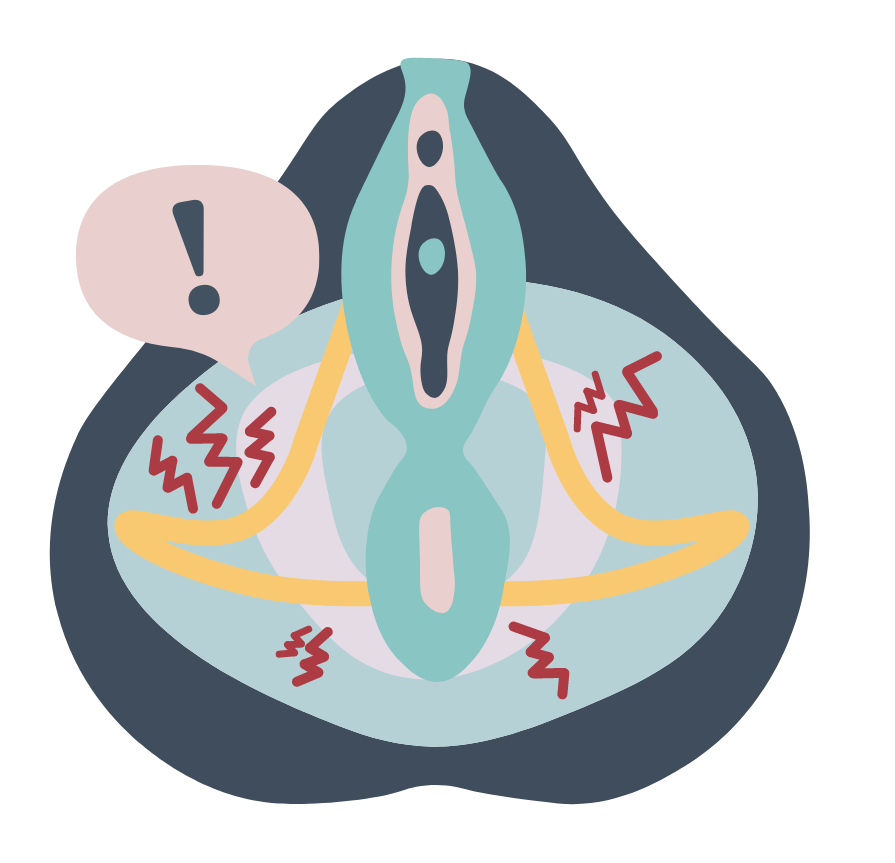
Endometriosis is quite common, affecting one in nine women, yet it takes on average 7-12 years for women to receive a diagnosis. It is often misdiagnosed, leaving patients feeling silenced and silent. On average, patients with endometriosis make 7 visits to their primary doctor before being referred to a specialist, and 75% of these patients experience a misdiagnosis.
At PRM, we believe that endometriosis patients deserve options and validation when it comes to their treatment, and a team of specialists to assist them in the lifetime management of the disease.
Endometriosis is a systemic inflammatory disease process in which tissue similar to the uterine lining grows outside of the uterus. At PRM, our goal is to reduce the total number of surgeries endometriosis patients must undergo in their lifetime.
Endometriosis is a systemic inflammatory disease process in which tissue similar to the uterine lining grows outside of the uterus. Endometriosis can start at a person’s first menstrual period and last beyond menopause. It can occur with or without menstruation. While the cause of endometriosis is definitively unknown, the impact on patients’ health can be severe. The pH balance of the tissues can be disrupted and the muscles and nerves can be put into disarray. Neurotransmitters begin stimulating an inflammatory cascade that can cause chronic pain.
Endometriosis falls into the category of an inflammatory disease process. Endometrial plaques release a form of “inflammatory soup” into the pelvis which contributes to inflammation around the pelvic nerves.
Endometrial lesions are typically located in the pelvis, but they can occur at other locations, including the bowel and diaphragm. Endometriosis is fairly common and can cause chronic pelvic pain and infertility. Symptoms range from minor to severely debilitating.
The primary symptom of endometriosis is persistent lower abdominal-pelvic pain. Other symptoms which usually increase in intensity during the menstrual cycle include pain during or after sexual intercourse, bladder pain, urinary urgency or frequency or burning, constipation and abdominal bloating, diarrhea, and/or painful bowel movements, nausea and/or vomiting, leg and/or back pain, shortness of breath, and unexplained infertility.
The severity of the disease does not necessarily correlate with severity of symptoms. For example, many women may have severe symptoms with mild disease and other women may have no symptoms, but have severe disease. We always tell patients: pain is never normal.
The most common symptoms of endometriosis we see at PRM are GI complaints such as abdominal bloating, abdominal pain, constipation, and pain/discomfort with bowel movements. However, there are many other symptoms of endometriosis:
There are several theories of the etiology of endometriosis. While the exact cause is unknown, some explanations are:
“Induction Theory” or Transformation of Peritoneal… “Induction Theory” or Transformation of Peritoneal Cells: This is where factors, such as hormones or the immune system transform the peritoneal cells (which are cells that line the inside of your abdomen and pelvis) into endometrial-like cells.
Embryonic cell transformation: This theory suggests… Embryonic cell transformation: This theory suggests that embryonic cells, which are present during development in the womb, are transformed by hormones such as estrogen intro endometrial-like cells during puberty.
Surgical scar implantation: After uterine surgery,… Surgical scar implantation: After uterine surgery, such as a cesarean section or hysterectomy, the endometrial cells may be exposed to the pelvic cavity and implant either to the pelvic sidewalls or to the surgical incision.
Endometrial cell transport: Endometrial cells may… Endometrial cell transport: Endometrial cells may be transported to other organs or parts of the body (such as the lung) through blood vessels or tissue fluid (lymphatic) systems.

Immune system disorder: Endometrial tissue or… Immune system disorder: Endometrial tissue or cells are supposed to be inside the uterus, not outside of the body. A problem with the immune system may compromise the body’s ability to recognize and destroy this abnormal tissue.
Endometriosis is definitively diagnosed by histologic evaluation of the diseased tissue. This requires a surgery, most often laparoscopy, and many patients opt for excision surgery. At Pelvic Rehabilitation Medicine, we consider ourselves on the front-lines of endometriosis, with 70% of our patient population being female and most of which coming to us with symptoms of endometriosis. We believe that endo patients deserve 1) A Comprehensive Treatment Approach to Endo 2) A care team that works closely with excision surgeons with the ultimate goal of decreasing the total number of surgeries patients have to undergo in their lifetime.
Starting your period at an early age
Heavy menstrual cycles
Having one or two female relatives with endometriosis
Reproductive tract abnormalities
Nulliparity (never having given birth)
Endometriosis is a chronic disease and requires a combination of both treatment and management of the disease. Often, endometriosis patients are told that the only way to treat endometriosis is by surgical excision with histopathological confirmation – this is an excellent first step. However, it is important to treat the nervous system and pelvic floor muscle dysfunction in endometriosis for full resolution of symptoms. Even when endometriosis has been removed, the nerve pain and pelvic floor dysfunction was present in the body for so long that it often requires direct treatment to reset them to less irritated, more calm pathways. Through the PRM Protocol™, we will work to reduce these symptoms.
Step One – First, our providers will ask questions about your medical history and listen to your symptoms to get a full picture of what is going on with you.
Step Two – Next, an external exam of your hips, abdomen, and posterior sacrum.
Step Three – Next, your pelvic nerves are evaluated externally with a soft cotton tip.
Step Four – Next, with your consent, gel is placed on a gloved finger and an internal exam is performed to allow us to evaluate the nerves and muscles within the pelvis. There is no speculum required as we are evaluating the pelvic floor muscles and nerves not the organs.
Step Five – Sometimes patients will need Imaging to help us understand if there is an associated cause of the pelvic nerve and muscle pain and dysfunction found on exam.
Step Six – Oftentimes, treatment can be started the same day as there is no down time. Our patients have been suffering with pelvic pain symptoms for 6+ months. We like to get them on the road to feeling better as soon as we can as the longer the symptoms are present the harder it is for us to resolve them.
Unfortunately, endometriosis is a chronic disease and requires a combination of both treatment and management of the disease. The only way to treat endometriosis is by surgical excision with histopathological confirmation. Once the disease has been excised, management of the disease usually entails medication therapies, such as anti-inflammatories, hormonal suppression, and lifestyle modifications.
Dr. Allyson Shrikhande, PRM’s Co-Founder and Chief Medical Officer, served as medical reviewer and expert source…
Dr. Allyson Shrikhande had a blog published in Rosy discussing Chronic Pelvic Pain Syndrome (CPPS).
Dr. Allyson Shrikhande had a discussion with Dr. Melanie Carminati of Inspira Physical Therapy.
In this episode of the Period Party Podcast, Dr. Shrikhande and Nicole Jardim talk about the…