Understanding Vulvar Pain

What is Vulvodynia?

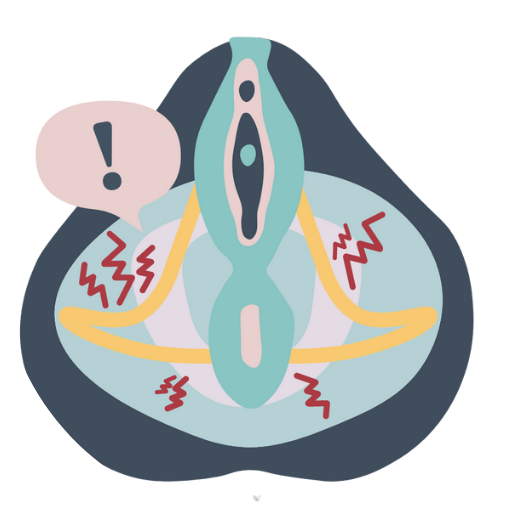
Vulvodynia is pain in the vulva area and is considered chronic when it lasts for six months or more. Vulvar pain, and the pain itself, can range in sensation, severity, and frequency. Pain may be constant or emerge during specific activities, such as prolonged sitting and sexual intercourse.
Vulvodynia

Risk Factors

While chronic pelvic pain affects many people and is caused by different conditions, some people may have an increased risk of experiencing chronic pelvic pain due to lifestyle and other factors. If you suspect you have CPPS, and any of these risk factors apply to you, it’s important to talk with your healthcare provider about both.

  • icon

    Pelvic Floor Muscle Dysfunction

  • icon

    Having certain allergies

  • icon

    Autoimmune disorders such as Lichen Sclerosis

  • icon

    Recurrent vaginal infections

  • icon

    Exposure to Birth Control

  • icon

    Stress, anxiety, depression, or emotional trauma

  • icon

    Pelvic pain disorders such as painful bladder syndrome (IC) or Endometriosis

Is Your Vulva Pain Vulvodynia?

Diagnosing Vulvodynia

Diagnosing vulvodynia and the underlying issues that are causing it requires an in-depth examination of both the nerves and muscles within the pelvis, learning of your medical history, and getting a full picture of your symptoms and lifestyle. The experience of pain from vulvodynia can vary from person to person and this disorder may stem from a number of different root causes, but it can often be treated to allow patients to have a better quality of life with less pain and dysfunction.

Here’s what you can expect when you are a patient at Pelvic Rehabilitation Medicine:

  • icon

    Step One – First, our providers will ask questions about your medical history and listen to your symptoms to get a full picture of what is going on with you.

  • icon

    Step Two – Next, an external exam of your hips, abdomen, and posterior sacrum.

  • icon

    Step Three – Next, your pelvic nerves are evaluated externally with a soft cotton tip.

  • icon

    Step Four – Next, with your consent, gel is placed on a gloved finger and an internal exam is performed to allow us to evaluate the nerves and muscles within the pelvis. There is no speculum required as we are evaluating the pelvic floor muscles and nerves not the organs.

  • icon

    Step Five – Sometimes patients will need Imaging to help us understand if there is an associated cause of the pelvic nerve and muscle pain and dysfunction found on exam.

  • icon

    Step Six – Oftentimes, treatment can be started the same day as there is no down time. Our patients have been suffering with pelvic pain symptoms for 6+ months. We like to get them on the road to feeling better as soon as we can as the longer the symptoms are present the harder it is for us to resolve them.

Schedule Your Appointment

Meet with a pelvic pain specialist to have your pain and symptoms evaluated.

In the News & From Our Providers