Could Your Symptoms Be Signs of Pelvic Pain? Take Our Personalized Quiz to Learn More

Pelvic pain symptoms are often misunderstood, dismissed, or difficult to connect. PRM’s personalized Pelvic Pain Symptoms Quiz helps patients recognize symptom patterns, better understand potential conditions like endometriosis or pelvic floor dysfunction, and take the next step toward specialized evaluation and care.
Pelvic pain symptoms are often confusing, inconsistent, and easy to dismiss.
Many patients spend years wondering:
At PRM, we know that pelvic pain is frequently misunderstood and underdiagnosed, which is why we created our personalized Pelvic Pain Symptoms Quiz to help patients better understand what may be contributing to their symptoms and what steps to consider next.
Pelvic pain is not one single symptom or condition.
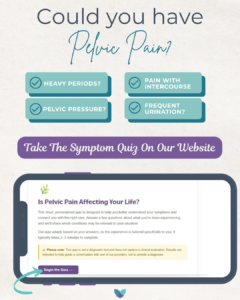
For many patients, symptoms may include:
Because these symptoms often overlap, many patients are told their experiences are:
But persistent pelvic symptoms deserve proper evaluation.
Conditions such as endometriosis, adenomyosis, pelvic floor dysfunction, and chronic pelvic pain syndrome can all present differently from patient to patient.
Many patients know something feels wrong, but they do not know where to start.
Our Pelvic Pain Symptoms Quiz was designed to help patients:
Unlike basic online symptom checkers, this quiz follows a structured intake-inspired format based on the types of questions pelvic pain specialists ask during clinical evaluations.
The quiz also adapts based on your answers, creating a more personalized experience that reflects your unique symptom history.
Most patients complete it in just 2–3 minutes.
Based on your responses, your results may align with conditions such as:
Because many pelvic pain conditions share symptoms, the goal of the quiz is not to diagnose you—but to help guide next steps and provide greater clarity around what may be contributing to your experience.
The quiz is informational only and does not replace a medical evaluation.
Pelvic pain often involves multiple overlapping systems, including:
As a result, patients may see multiple providers before reaching someone who specializes in pelvic pain care.
Many people spend years searching for answers while being told their symptoms are unrelated or insignificant.
At PRM, we believe symptom patterns matter, and listening carefully to patients is one of the most important parts of care.
Learn more about PRM’s comprehensive pelvic pain evaluation and multidisciplinary approach to treatment.
Pelvic pain symptoms are real, even when they are difficult to explain.
Understanding what your symptoms may be connected to can help patients:
Our goal is not to encourage self-diagnosis.
It is to help patients move from uncertainty toward understanding.
If your symptoms do not feel normal, you are not alone.
Take PRM’s personalized Pelvic Pain Symptoms Quiz to better understand what may be contributing to your symptoms and learn more about potential next steps for evaluation and treatment.
The PRM Pelvic Pain Symptoms Quiz is a personalized symptom assessment designed to help patients better understand what conditions may be contributing to their pelvic pain symptoms.
No. The quiz is informational only and does not replace a medical evaluation or diagnosis from a qualified provider.
Based on your responses, results may align with conditions such as endometriosis, adenomyosis, pelvic floor dysfunction, chronic pelvic pain syndrome, bladder-related pelvic pain, or pain with intercourse.
Most patients complete the quiz in approximately 2–3 minutes.
Many pelvic pain conditions share overlapping symptoms involving muscles, nerves, inflammation, bladder function, bowel function, and hormonal patterns, which can make diagnosis more complex.
If pelvic pain symptoms are persistent, worsening, interfering with daily life, or not improving with standard treatment, evaluation by a pelvic pain specialist may help identify underlying causes.