Endometriosis and Bladder Symptoms | PRM

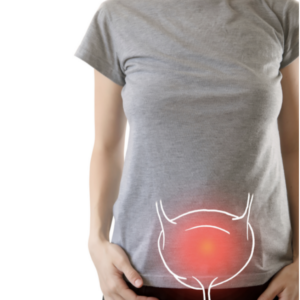
Endometriosis can affect the bladder, causing urgency, frequency, burning with urination and pain or pressure as the bladder fills. These symptoms often flare with the menstrual cycle and are easy to mistake for UTIs, especially when urine tests come back normal. Painful Bladder Syndrome can cause similar symptoms. A full evaluation looks at symptom patterns, the pelvic floor and nerves, and rules out infection.
Our Dallas endometriosis excision surgeon explains the symptoms of endometriosis, including bladder and urinary symptoms.
Not Just a UTI: How Endometriosis Can Affect Your Bladder
If you’ve ever felt like you’re always running to the bathroom, or been told “it’s just a UTI” one too many times, you’re not alone.
Bladder symptoms are some of the most common, and most overlooked, signs of pelvic conditions like endometriosis. This Bladder Health Month, we’re breaking down how endometriosis can affect the bladder, why it’s so often mistaken for an infection, and what a thorough evaluation looks like.
In a recent live conversation, one of our endometriosis excision surgeons explained that endometriosis symptoms often go beyond the “textbook” signs like painful periods and heavy bleeding. Because endometriosis can affect different organs, symptoms can branch out into different systems in the body, including the bladder.
He described urinary symptoms that can be connected to endometriosis, such as:
Many people also notice pain or pressure as the bladder fills.
These can show up alongside other endometriosis symptoms, like bloating, pain with bowel movements, pain with sex, fatigue and brain fog.
Endometriosis happens when tissue similar to the lining of the uterus grows outside the uterus. Because the bladder sits right in front of the uterus, it’s one of the organs endometriosis can reach.
It can affect the bladder in a few ways:
Even small areas of endometriosis can cause big symptoms. As our surgeon explained in the live, the stage of endometriosis and the amount of pain don’t always line up. Someone with a few small lesions can have significant pain, while someone with advanced disease may have very few symptoms.
Some people with endometriosis on or in the bladder also notice blood in their urine around their period. If you ever see blood in your urine, talk to your provider.
Bladder symptoms from endometriosis can feel a lot like an infection. But there are a few clues that something else may be going on:
When symptoms don’t match the test results, it’s easy to feel dismissed. But what you’re feeling is real, and it deserves a closer look.
Endometriosis isn’t the only condition that can cause UTI-like symptoms without an infection. Painful Bladder Syndrome, also called interstitial cystitis, can cause:
Because Painful Bladder Syndrome isn’t caused by bacteria, antibiotics don’t treat the source of the pain and can delay the right care. Endometriosis and bladder pain can also occur together, which is one reason a full evaluation matters.
The pelvic floor is a group of muscles that supports the bladder, uterus and bowel. When you live with pelvic pain for a long time, those muscles can tighten up and stay that way, almost like they’re bracing for the next wave of pain.
Over time, tight or overactive pelvic floor muscles can contribute to:
As our surgeon explained in the live, endometriosis is a big driver of pelvic floor dysfunction. Sometimes the pelvic floor relaxes after the endometriosis is treated. But when pain has been going on for a long time, the muscles and nerves often need their own dedicated care, like pelvic floor physical therapy, to move in the right direction.
Bladder pain often has more than one piece to it. A thorough evaluation may include:
As our surgeon shared in the live, a normal test or a “negative” look doesn’t always mean nothing is there. Having the right specialist look at the full picture can make a real difference.
Many people with bladder symptoms go years without a clear answer. A few reasons why:
If something still doesn’t feel right, trust that. You know your body.
The right treatment depends on what’s causing your symptoms. At PRM, care plans are individualized and often combine more than one approach:
As our surgeon shared, removing endometriosis is one important part of the picture, but long-term relief often comes from caring for the whole pelvis, including the muscles and nerves.
If you’re dealing with bladder symptoms, these questions can help start the conversation:
Keeping a simple log can help you and your care team spot patterns. Try noting:
Bringing this to your appointment can make it easier to connect the dots. Not sure where to start? Take our pelvic pain symptom quiz.
Consider reaching out to a pelvic pain specialist if:
Your bladder symptoms deserve real answers. At PRM, our multidisciplinary team treats endometriosis, chronic pelvic pain, pelvic floor dysfunction and bladder pain, and we’ll listen to your full story.
Yes. Endometriosis can affect the bladder and cause urgency, frequency, burning with urination, and pain or pressure as the bladder fills.
Clues that it may not be a UTI include symptoms that flare around your period, urine tests that come back normal, antibiotics that don’t help, and symptoms that keep coming back. A specialist can help sort out the cause.
Yes. Tight or overactive pelvic floor muscles can contribute to bladder pain and urinary symptoms, which is why a pelvic floor assessment is often part of a full evaluation.
Painful Bladder Syndrome, also called interstitial cystitis, causes bladder pain, urgency and pressure without an infection. Because it isn’t caused by bacteria, antibiotics don’t treat it.