With expert input from Laura Kemp, Endometriosis and Pelvic Pain Specialist at PRM in Chicago
Endometriosis is a chronic inflammatory condition that affects millions of individuals, often causing a range of painful symptoms—including pain during intercourse (dyspareunia). This pain can be persistent and distressing, impacting not only physical health but also emotional well-being and relationships. Understanding why endometriosis leads to painful sex can help individuals seek appropriate treatment and relief.
Why Does Endometriosis Cause Pain During Sex?
Painful intercourse occurs in endometriosis patients for several reasons, most of which are linked to the presence of lesions, adhesions, and chronic muscle tension within the pelvic region.
Adhesions and Scar Tissue Formation
Endometriosis causes small lesions and adhesions throughout the pelvis. These adhesions are bands of fibrous tissue, similar to scar tissue, that can develop between organs such as the bladder, uterus, and intestines. When adhesions form near or directly on the vaginal walls, any penetration can stretch or pull on these sensitive areas, triggering sharp or deep pain.
Chronic Pelvic Floor Muscle Tightness
Many individuals with endometriosis develop a natural tendency to clench their pelvic floor muscles due to persistent pain. This is similar to how people unconsciously clench their jaw or shoulders when experiencing stress or discomfort. Over time, continuous pelvic floor tension can lead to nerve inflammation, increased sensitivity, and restricted movement in the muscles that support the vagina, making penetration painful.
Inflammation and Nerve Involvement
Endometriosis itself is an inflammatory condition. Chronic inflammation in the pelvis can lead to heightened nerve sensitivity, making previously non-painful stimuli (such as touch or penetration) feel intensely painful.
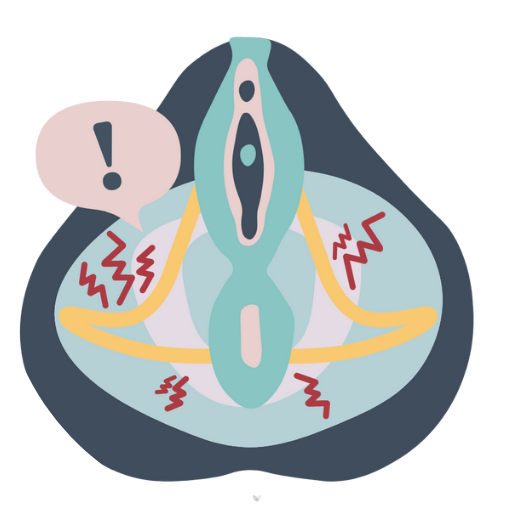
This can also contribute to related conditions and comorbidities such as:
Vaginismus
An involuntary tightening of the vaginal muscles, making penetration difficult or impossible.
Vulvodynia
Chronic pain or discomfort of the vulva, where even light touch from clothing or sexual contact can be excruciating.
Pain as a Protective Mechanism
Pain serves as the body’s way of signaling that something is wrong. If the pelvis is already inflamed and hypersensitive due to endometriosis, the body may react to sexual activity as a threat, leading to more pain and tension. This can create a cycle where pain leads to more guarding and muscle tightness, which in turn exacerbates the discomfort.
Addressing Painful Intercourse in Endometriosis Patients
While painful sex is a common symptom of endometriosis, there are ways to manage and reduce discomfort:
Pelvic Floor Therapy: Working with a pelvic floor physical therapist can help relax chronically tight muscles and improve flexibility in the pelvic area.
Pain and Symptom Management Strategies: The PRM Protocol™ and relaxation techniques can help reduce inflammation and pain sensitivity.
Surgical Intervention: For some, excision surgery to remove endometriosis lesions and adhesions may provide significant relief.
Communication and Support: Open conversations with partners and healthcare providers can ensure a supportive approach to intimacy and treatment options.
Endometriosis-related pain during sex is real and valid, but individuals don’t have to suffer in silence. Seeking specialized care from PRM’s team of endometriosis pelvic pain experts can help patients regain control over their sexual health and overall well-being.