With expert input from Dr. Christopher Kliethermes, Gynecologic Surgeon at PRM’s Center of Excellence in Troy, MI
When Should an Endometriosis Patient Consider Excision Surgery?
Endometriosis excision surgery is considered the gold standard for effectively managing the condition, but the decision to undergo surgery is deeply personal and varies for each patient. Here’s a closer look at the factors that can influence when an endometriosis patient might choose to move forward with excision surgery.
Why Might Someone Delay Excision Surgery?
Not every patient with endometriosis will immediately seek surgical intervention. Some may opt to delay or forgo excision surgery if their symptoms are manageable with medication or if their overall quality of life is not significantly impacted. Others may be hesitant due to the risks associated with surgery, especially if they do not have access to a highly skilled surgeon they trust.
Why Might Someone Choose Excision Surgery Sooner?
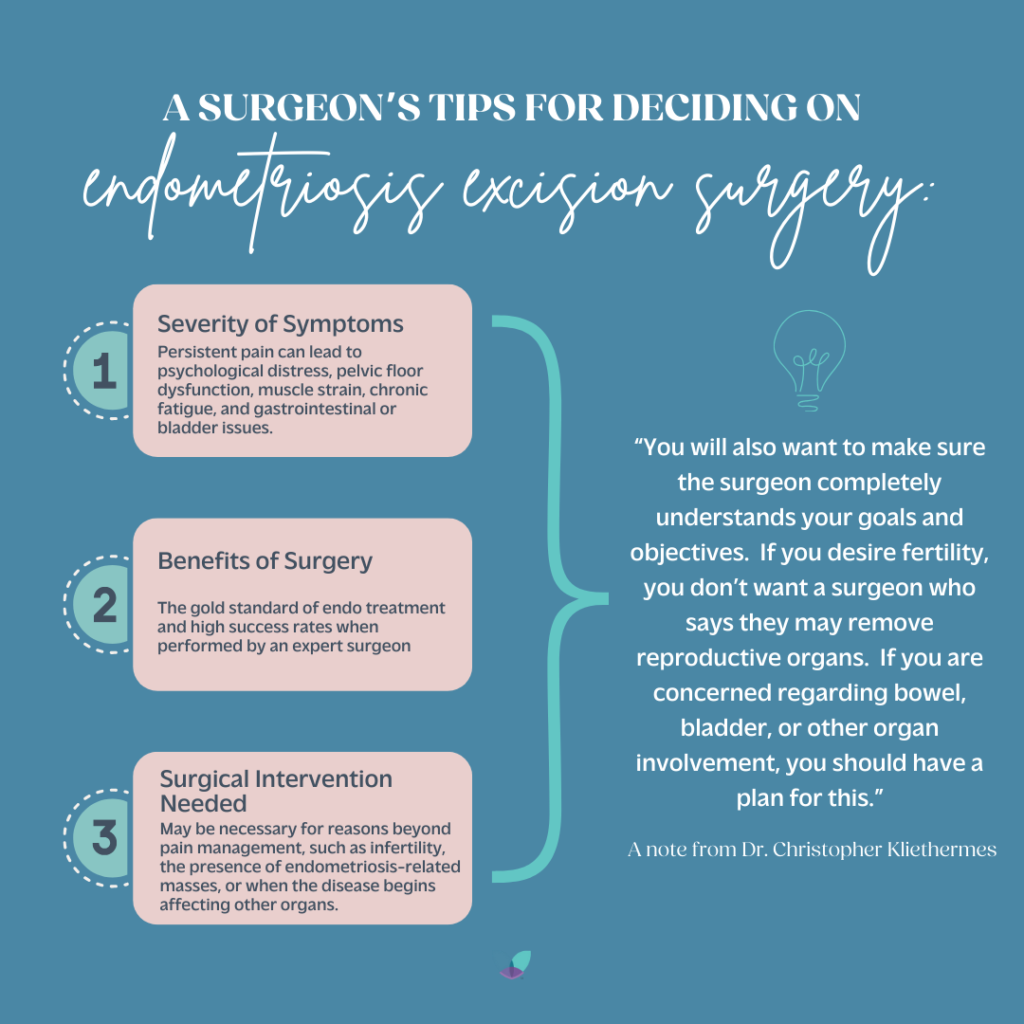
For many patients, the symptoms of endometriosis can take a severe toll on their body over time. Persistent pain can lead to psychological distress, pelvic floor dysfunction, muscle strain, chronic fatigue, and gastrointestinal or bladder issues. The longer a patient waits, the more they may suffer, potentially requiring additional interventions such as physical therapy or counseling to regain a sense of normalcy.
Are Symptoms Directly Linked to the Need for Surgery?
Pain and symptoms play a significant role in a patient’s decision to undergo surgery. However, excision surgery may also be necessary for reasons beyond pain management, such as infertility, the presence of endometriosis-related masses, or when the disease begins affecting other organs.
What Should Patients Know About Excision Surgery?
Excision surgery offers significant benefits, with high success rates when performed by an expert surgeon. While all surgeries come with risks, complications are rare under the care of a skilled excision specialist. The most important factor is weighing whether the potential benefits outweigh the risks in the hands of a particular surgeon.
When Is Surgery Considered Necessary?
Any endometriosis symptom can potentially benefit from excision surgery. Many patients who have undergone excision report improvements not just in pain levels but also in fertility, gastrointestinal health, energy levels, and overall well-being.
Why Is Excision Surgery the Gold Standard?
Unlike other surgical treatments like ablation, excision surgery aims to completely remove endometriosis lesions. With an expert surgeon, there is a high likelihood (over 90%) that a patient will not require additional surgeries. Ablation, on the other hand, often leads to higher recurrence rates and multiple surgeries, as it does not fully remove endometriosis tissue.
Key Factors to Consider Before Surgery
Deciding when to proceed with excision surgery is highly individualized. Patients should consider:
- How much their disease is affecting their daily life, including pain, infertility, or treatment failures with medication.
- Their comfort level with their chosen surgeon and the surgeon’s expertise in excision.
Are There Situations Where Excision Surgery Might Not Be the Best Option?
Excision surgery is rarely contraindicated when performed by a highly skilled endometriosis specialist. However, a few situations might make surgery less favorable:
- If a patient does not wish to undergo surgery.
- If the extent of their disease is beyond the capabilities of a particular surgeon, requiring additional specialists that may not be available.
Final Thoughts: Finding the Right Surgeon Matters
Patients should ensure that their surgeon fully understands their treatment goals. For those who wish to preserve fertility, it’s essential to find a surgeon who will not remove reproductive organs unnecessarily. If there are concerns about bowel, bladder, or other organ involvement, a comprehensive surgical plan should be in place.
Ultimately, excision surgery can be a life-changing procedure for many endometriosis patients, but the decision should be made based on individual needs, symptom severity, and access to a qualified specialist.
If you’re wondering if excision surgery is right for you, take the quiz or schedule a consultation with an endometriosis specialist at PRM.