Media coverage summary
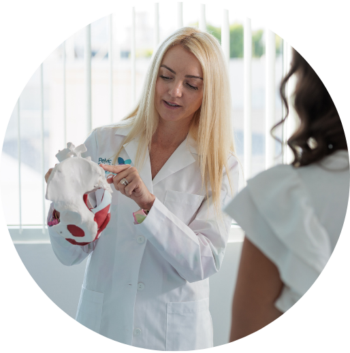
PRM Co-Founder and Chief Medical Officer Dr. Allyson Augusta Shrikhande was featured in HLTH in an October 1, 2026 article titled “The Pulse: New Study Finds The Menopause Benefit Gap Isn’t a Coverage Problem. It’s a Communication One.”
The article examines new research from the Society for Women’s Health Research and The Fuchsia Tent revealing a significant disconnect between employers’ perceptions of menopause-related workplace support and employees’ awareness of available benefits.
According to the study, nearly 45% of women are unaware of whether their employers offer menopause-specific benefits, while one in three women experiencing or suspecting menopause symptoms have considered leaving their jobs or reducing their working hours.
Why This Matters
Menopause can affect far more than reproductive health, contributing to symptoms involving sleep, mood, muscles, and overall physical well-being. Yet many women continue to dismiss these symptoms as an unavoidable part of aging rather than seeking appropriate medical evaluation and treatment.
In the article, Dr. Shrikhande emphasizes that while menopause-related symptoms are common, many are treatable when providers identify their underlying causes, including tissue changes, muscle spasms, and nerve pain.
Her commentary reinforces PRM’s commitment to advancing awareness of women’s pelvic health and improving access to specialized care for conditions that are frequently overlooked or undertreated.
As employers work to better support women navigating menopause, the article highlights the importance of education, accessible healthcare benefits, and a workplace culture that recognizes women’s evolving health needs.
““[Menopause] symptoms are common, but they aren't inevitable.””