PRM Featured in TIME: How Endometriosis Patients Prepare for Personal Decisions Before Surgery

TIME featured PRM surgeon Dr. Robyn Power and patient Leah Paul in “When People Keep What Surgeons Remove,” a story about the personal decisions patients face before endometriosis surgery. At PRM, patients get time to ask the hard questions and talk through what matters to them before surgery, as part of a care plan guided by the PRM Protocol™.
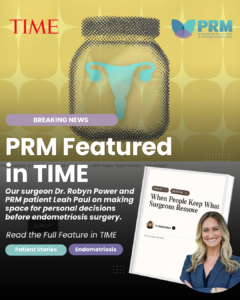
PRM is in TIME. The national magazine featured PRM endometriosis excision surgeon Dr. Robyn Power and PRM patient Leah Paul in When People Keep What Surgeons Remove, a story about the deeply personal decisions patients face before surgery.
For people living with endometriosis, this kind of national attention matters. Endometriosis affects roughly 1 in 10 women and people assigned female at birth, yet it still takes years, on average, to get a diagnosis. Stories like this one help more people understand what endometriosis care can look like when patients are truly listened to.
Surgery is often described in medical terms: the procedure, the recovery time, the results. What gets less attention is the emotional side. Before an operation, many patients have questions about their bodies that feel too personal to bring up, including what will be removed and what happens to it afterward.
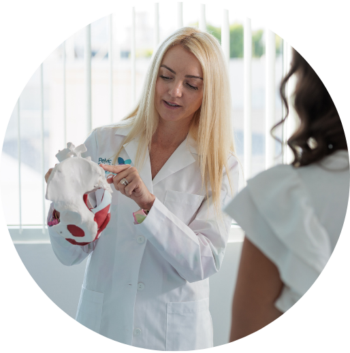
The TIME article explores those conversations. It shares how Dr. Power makes space for patients to talk through personal decisions before endometriosis surgery, so each person goes into the operating room knowing their wishes were heard.
PRM patient Leah Paul also shares her own experience in the piece. We’re deeply grateful to Leah for speaking openly about something so personal. Her story will help other patients feel less alone in their own surgical journey.
“There are so many different mediators that contribute to a patient’s lived experience of pelvic pain. Listening and validating their journey allows me to identify what will be most helpful in getting them back to a quality of life they deserve.”
— Dr. Robyn Power
Many patients reach endometriosis surgery after years of pain that was dismissed, misdiagnosed or called “normal.” By the time surgery is on the table, they’ve often been through a lot. They may feel strongly about their bodies, their fertility, their recovery and how much of the process they want to understand.
That’s why preparation matters. When patients have time to ask questions and talk through their options, they can make decisions that feel right for them. Research on shared decision-making shows that patients who are involved in their care decisions tend to feel more informed and more confident in their treatment choices.
At PRM, these conversations are part of how we care for the whole person. Surgery is not a single appointment. It’s one step in a bigger plan.
At PRM, surgery is never the first or only step. Our care is guided by the PRM Protocol™, a whole-person approach to pelvic pain and endometriosis treatment. Before surgery, patients work with a care team that brings everything under one roof:
Because our specialists and surgeons work as one team, patients don’t have to repeat their story at every appointment. Their surgeon already knows their history, their goals and what matters most to them.
If you’re preparing for endometriosis surgery, it’s okay to ask anything. Here are a few questions many patients find helpful to bring to their surgical team:
Your care team should welcome these questions. If something feels too personal to bring up, that’s often a sign it’s worth talking about.
Healing doesn’t end in the operating room. After surgery, PRM patients continue working with their care team through recovery and follow-up visits. Many patients come back for a yearly pelvic health check-in, or anytime their symptoms change. Our goal is to help each patient feel better and stay feeling good.
What is endometriosis excision surgery? Excision surgery removes endometriosis lesions by cutting them out at the root, rather than burning the surface. It is often considered the gold standard surgical treatment for endometriosis.
How do I know if I need endometriosis surgery? Not every patient needs surgery. A pelvic pain specialist can review your symptoms and history and talk through all of your treatment options, including non-surgical care.
Can I talk to my surgeon about what happens to removed tissue? Yes. You can ask your surgical team what will be removed, whether tissue will be sent to pathology and any other questions you have. Hospital and lab policies vary, so ask early.
Where does PRM offer endometriosis surgery? PRM has Endometriosis Centers of Excellence across the country. Find the one closest to you on our locations page.
Read When People Keep What Surgeons Remove on TIME. Congratulations to Dr. Power, and thank you again to Leah for sharing her story.
If you’re living with endometriosis or pelvic pain and want care that listens, our team is here for you. Request an appointment with a PRM pelvic pain specialist today.
Excision surgery removes endometriosis lesions by cutting them out at the root, rather than burning the surface. It is often considered the gold standard surgical treatment for endometriosis.
Not every patient needs surgery. A pelvic pain specialist can review your symptoms and history and talk through all of your treatment options, including non-surgical care.
PRM has Endometriosis Centers of Excellence across the country. Find the one closest to you on our locations page.
Yes. You can ask your surgical team what will be removed, whether tissue will be sent to pathology and any other questions you have. Hospital and lab policies vary, so ask early.