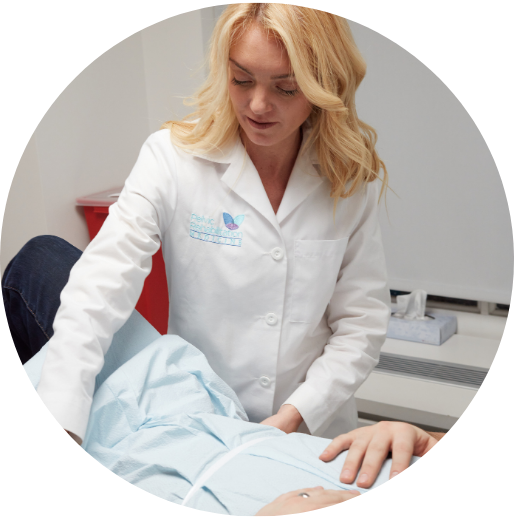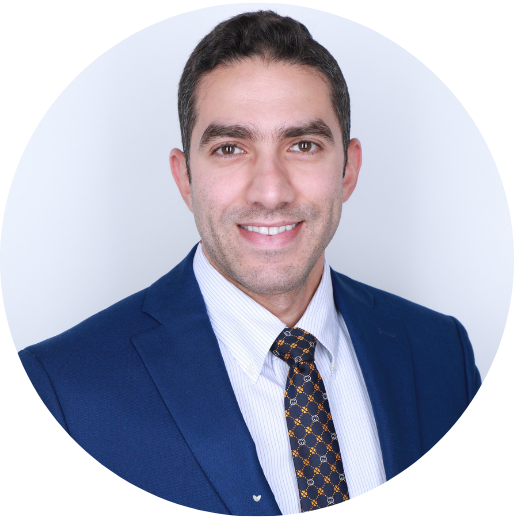
Dr. Amro Elfeky is a gynecologic surgeon specializing in endometriosis excision and minimally invasive, robotic-assisted surgery in Dallas and Houston, Texas. He operates at Texas Health Dallas Presbyterian and Medical City. He performs over 200 complex procedures annually and uses a multidisciplinary approach to deliver personalized, comprehensive care for patients with endometriosis and pelvic pain.
He is committed to early diagnosis and effective treatment, integrating pre- and post-habilitation through the PRM Protocol™ in collaboration with pelvic pain specialists to support recovery and long-term relief. Dr. Elfeky has led specialized endometriosis centers and works closely with fertility, gastrointestinal, and mental health specialists to support coordinated patient care.
Fluent in Arabic, he is dedicated to improving access to specialized endometriosis care for diverse patient populations. As part of PRM’s Center of Excellence in Dallas, Dr. Elfeky helps patients with endometriosis improve symptoms, function, and quality of life.
Associate Program Director, Fellowship Minimally Invasive Gynecologic Surgery | Maimonides Medical Center, Brooklyn, NY
Fellowship in Minimally Invasive Gynecologic Surgery (MIGS) | Maimonides Medical Center, Brooklyn, NY
Residency Program in Obstetric and Gynecology | Maimonides Medical Center, Brooklyn, NY
Hospital Affiliations:
Texas Health Presbyterian Hospital Dallas – Dallas, TX
Medical City Dallas – Dallas, TX
To ensure optimal outcomes, a thorough assessment of patients’ symptomatology and goals is necessary to formulate a multidisciplinary approach. Each individual patient needs a specific and personalized plan to achieve these goals.
Endometriosis is a chronic condition that can present in many diverse symptoms. It is often underdiagnosed and this can lead to unaddressed symptoms, delay in treatment, and worsening severity.
The target is to have a high suspicion of endometriosis being an underlying cause, to thorough evaluation, followed by multimodal treatment to achieve as much symptom relief as possible and as quickly as possible.
Endometriosis is a complicated, chronic condition with various symptomatology that requires a multimodal treatment approach.
The goal is to address endometriosis with multiple treatments in order to maximize symptom improvement and prolong symptom free interval. How I see it is we need to capitalize on our biggest investment (surgical excision) with additional treatment in order to maximise results.
I have always had a specific interest in endometriosis. Despite advances, patients with endometriosis still face many challenges and inadequate symptom management.
This has led me to priorly start an endometriosis center to deliver options for complicated multidisciplinary surgical approaches as well as additional specialists to help with treatment including fertility, GI/nutrition and psychiatric aspects.
Fertility is a big focus aspect when it comes to endometriosis as chronic inflammation and the possibility of multiple prior surgeries can negatively affect fertility. We often collaborate with reproductive endocrinology in order to set goals based on a multidisciplinary approach
Dr. Elfeky takes a personalized, multidisciplinary approach to treating endometriosis, recognizing that it is a complex and often underdiagnosed condition with diverse symptoms. By maintaining a high suspicion for endometriosis, he ensures a thorough evaluation and implements a multimodal treatment plan to achieve optimal symptom relief as quickly as possible.
His goal is to maximize the benefits of surgical excision by integrating additional treatments, helping patients achieve lasting symptom improvement and a prolonged symptom-free interval.
Dr. Elfeky is nothing short of extraordinary.He’s a precious ball of fabulousness with so many amazing qualities! He’s such a great listener & take the time to explain everything in a way that i can understand.I could never ask for a better doctor like this guy & i’ll always be grateful to him for everything he did for my wellbeing.
I Brought my daughter here after her diagnosis of endometriosis. When other surgeries and hormone therapy brought her no relief, I searched for a specialist and came across the Pelvis Rehabilitation center. We initially saw Dr. Elfeky for a consultation and I was immediately impressed. He took longer than the time specified for our appointment to answer all our questions and to explain everything in detail that he would be doing in the different approaches he could offer. When we decided to do surgery, he explained everything again and when I was feeling anxious and almost backed out of the surgery he called to address my concerns and reassure me of everything he was doing and the risks and benefits to it. He just really put my mind at ease. My daughter was never even nervous! She said she had a good feeling about it all from the beginning, he still took the time to comfort me though. After the surgery he took my husband and I back into a private room to go over everything he did and showed us pictures and explained what we were seeing and all of his findings. Very professional and understanding and kind! He answered all of our questions no matter how many we had, he never made us feel like we were bothering him. He even called her for several days after the surgery to check on her. I can’t recommend this place or Dr. Elfeky enough! I am so thankful God led us to this place and him!
Dr Elfeky is heaven sent,he’s one of the most kind and caring doctors i have ever met.To say he’s an amazing doctor is an understatement. He embodies everything you want in a doctor. From my first consultation with him,i knew my journey with fibroids was in good hands.In addition of being kind and caring,he’s also very patient,confident and always so nice. He never rushes you & answers all your questions with no hesitation. He truly makes you feel like a human being. On top of being phenomenal,Dr Elfeky is very supportive & compassionate.
Explore patient testimonials to learn more about outstanding care at PRM.
Experience compassionate care and expertise in pelvic rehabilitation with Pelvic Rehabilitation Medicine. Schedule your appointment today and take the first step towards better pelvic health.
Endometriosis excision surgery is an advanced minimally invasive procedure that involves carefully identifying and removing endometriosis lesions from affected areas while preserving healthy tissue. Unlike approaches that only treat visible disease on the surface, excision surgery focuses on removing endometriosis at its root to help reduce symptoms and improve quality of life. At PRM, fellowship-trained minimally invasive gynecologic surgeons use advanced laparoscopic techniques and comprehensive evaluation to develop individualized treatment plans based on each patient’s symptoms, goals, and disease severity.
Endometriosis surgery may be considered for patients whose symptoms are not adequately controlled with medications or hormonal treatments, whose pain significantly impacts daily life, or who are experiencing fertility challenges. Surgery may also be recommended when imaging or evaluation suggests deeper disease, such as endometriosis involving the bowel, bladder, or other pelvic structures. Common reasons to consider an endometriosis surgery consultation include persistent pelvic pain despite medical treatment, painful periods, painful intercourse, gastrointestinal or bladder symptoms, difficulty conceiving, or findings such as endometriomas or deep infiltrating endometriosis. During an evaluation at PRM, providers review your symptoms, medical history, imaging, and treatment goals to determine whether excision surgery is the right option for you and develop a personalized care plan.
During an endometriosis surgery consultation at PRM, patients can expect a comprehensive evaluation focused on understanding their symptoms, medical history, and treatment goals. The surgeon will review your experience with pelvic pain, painful periods, painful intercourse, bowel or bladder symptoms, previous diagnoses, and any prior treatments. The consultation may include a physical and pelvic exam to evaluate areas of tenderness, pelvic floor muscle dysfunction, scarring, or other findings that may contribute to symptoms. Additional imaging, such as specialized pelvic ultrasound or MRI, may be recommended to better understand the location and extent of endometriosis. Your surgeon will also discuss whether excision surgery is appropriate, explain the surgical approach, and review what to expect before, during, and after the procedure. PRM’s approach includes personalized pre- and post-operative care, which may involve pelvic rehabilitation, lifestyle strategies, and other treatments to support healing and long-term outcomes.
PRM’s endometriosis surgeons specialize in advanced laparoscopic excision surgery and care for patients through a fully integrated, multidisciplinary approach. Unlike a surgery only model, PRM combines surgical expertise with pelvic pain care to address the inflammation, nerve sensitivity, and pelvic floor dysfunction that can contribute to ongoing symptoms. PRM’s fellowship-trained Minimally Invasive Gynecologic Surgeons (MIGS) have specialized training in complex excision surgery and treat advanced endometriosis, including cases involving areas such as the bowel, bladder, and diaphragm. Their approach also includes comprehensive support before and after surgery, including pelvic rehabilitation through the PRM Protocol™ to help reduce pain, support healing, and improve long-term outcomes. PRM focuses on personalized, whole-body care designed to help patients achieve meaningful relief while reducing the need for repeated procedures. Providers also evaluate patients clinically based on symptoms, medical history, and physical examination, allowing treatment planning to begin without waiting for surgical confirmation.
Yes, endometriosis excision surgery can improve fertility for some patients by removing endometriosis lesions, treating scar tissue and adhesions, restoring normal pelvic anatomy, and reducing inflammation that may interfere with conception. The impact of surgery depends on factors such as the severity of endometriosis, age, ovarian reserve, and overall fertility health. For patients with mild to moderate endometriosis, removing visible disease may improve the chances of spontaneous pregnancy. In more advanced cases, surgery may help restore the relationship between the ovaries, fallopian tubes, and surrounding pelvic structures to support reproductive goals. At PRM, providers consider each patient’s fertility goals and individual circumstances when determining whether surgery is the right approach and how it fits into a broader fertility plan.
Recovery after endometriosis excision surgery varies depending on the extent of disease treated and each patient’s healing process. Many patients experience gradual improvement over the first several months rather than immediate relief. The first menstrual cycle after surgery (typically 4–8 weeks post-surgery) may be the most challenging, with some patients experiencing increased cramping, pelvic pain, or heavier bleeding as the body heals. By the second cycle, many patients begin noticing improvements, and within three to six months, patients often report reduced pain, improved energy, and better daily function. At PRM, recovery is supported through a comprehensive approach that combines surgical expertise with individualized follow-up care and additional treatments when needed to support long-term healing and quality of life.
Endometriosis excision surgery is an advanced minimally invasive procedure that involves carefully identifying and removing endometriosis lesions from affected areas while preserving healthy tissue. Unlike approaches that only treat visible disease on the surface, excision surgery focuses on removing endometriosis at its root to help reduce symptoms and improve quality of life. At PRM, fellowship-trained minimally invasive gynecologic surgeons use advanced laparoscopic techniques and comprehensive evaluation to develop individualized treatment plans based on each patient’s symptoms, goals, and disease severity.
Endometriosis surgery may be considered for patients whose symptoms are not adequately controlled with medications or hormonal treatments, whose pain significantly impacts daily life, or who are experiencing fertility challenges. Surgery may also be recommended when imaging or evaluation suggests deeper disease, such as endometriosis involving the bowel, bladder, or other pelvic structures. Common reasons to consider an endometriosis surgery consultation include persistent pelvic pain despite medical treatment, painful periods, painful intercourse, gastrointestinal or bladder symptoms, difficulty conceiving, or findings such as endometriomas or deep infiltrating endometriosis. During an evaluation at PRM, providers review your symptoms, medical history, imaging, and treatment goals to determine whether excision surgery is the right option for you and develop a personalized care plan.
During an endometriosis surgery consultation at PRM, patients can expect a comprehensive evaluation focused on understanding their symptoms, medical history, and treatment goals. The surgeon will review your experience with pelvic pain, painful periods, painful intercourse, bowel or bladder symptoms, previous diagnoses, and any prior treatments. The consultation may include a physical and pelvic exam to evaluate areas of tenderness, pelvic floor muscle dysfunction, scarring, or other findings that may contribute to symptoms. Additional imaging, such as specialized pelvic ultrasound or MRI, may be recommended to better understand the location and extent of endometriosis. Your surgeon will also discuss whether excision surgery is appropriate, explain the surgical approach, and review what to expect before, during, and after the procedure. PRM’s approach includes personalized pre- and post-operative care, which may involve pelvic rehabilitation, lifestyle strategies, and other treatments to support healing and long-term outcomes.
PRM’s endometriosis surgeons specialize in advanced laparoscopic excision surgery and care for patients through a fully integrated, multidisciplinary approach. Unlike a surgery only model, PRM combines surgical expertise with pelvic pain care to address the inflammation, nerve sensitivity, and pelvic floor dysfunction that can contribute to ongoing symptoms. PRM’s fellowship-trained Minimally Invasive Gynecologic Surgeons (MIGS) have specialized training in complex excision surgery and treat advanced endometriosis, including cases involving areas such as the bowel, bladder, and diaphragm. Their approach also includes comprehensive support before and after surgery, including pelvic rehabilitation through the PRM Protocol™ to help reduce pain, support healing, and improve long-term outcomes. PRM focuses on personalized, whole-body care designed to help patients achieve meaningful relief while reducing the need for repeated procedures. Providers also evaluate patients clinically based on symptoms, medical history, and physical examination, allowing treatment planning to begin without waiting for surgical confirmation.
Yes, endometriosis excision surgery can improve fertility for some patients by removing endometriosis lesions, treating scar tissue and adhesions, restoring normal pelvic anatomy, and reducing inflammation that may interfere with conception. The impact of surgery depends on factors such as the severity of endometriosis, age, ovarian reserve, and overall fertility health. For patients with mild to moderate endometriosis, removing visible disease may improve the chances of spontaneous pregnancy. In more advanced cases, surgery may help restore the relationship between the ovaries, fallopian tubes, and surrounding pelvic structures to support reproductive goals. At PRM, providers consider each patient’s fertility goals and individual circumstances when determining whether surgery is the right approach and how it fits into a broader fertility plan.
Recovery after endometriosis excision surgery varies depending on the extent of disease treated and each patient’s healing process. Many patients experience gradual improvement over the first several months rather than immediate relief. The first menstrual cycle after surgery (typically 4–8 weeks post-surgery) may be the most challenging, with some patients experiencing increased cramping, pelvic pain, or heavier bleeding as the body heals. By the second cycle, many patients begin noticing improvements, and within three to six months, patients often report reduced pain, improved energy, and better daily function. At PRM, recovery is supported through a comprehensive approach that combines surgical expertise with individualized follow-up care and additional treatments when needed to support long-term healing and quality of life.