• Chicago, IL

Gynecologic Surgeon & Endometriosis Excision Specialist

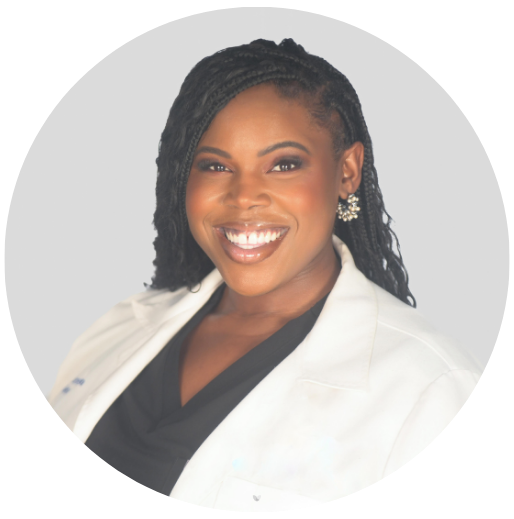
Mariah Sankey-Thomas, MD, FACOG

Dr. Mariah Sankey-Thomas is a board-certified gynecologic surgeon specializing in the diagnosis and excision of endometriosis, with a strong focus on fertility-sparing techniques in Chicago, IL. Dr. Mariah Sankey-Thomas operates at Ascension Saint Joseph-Chicago and Saint Francis Hospital/Prime Healthcare in Illinois. She has performed over 500 complex pelvic surgeries and treats all stages of endometriosis, including disease involving the bladder, rectum, diaphragm, ovaries, and appendix.

At PRM, Dr. Sankey-Thomas is dedicated to decreasing the time patients suffer from pelvic pain. She works closely with each patient to understand their individual goals whether focused on pain relief, fertility support, or management of abnormal bleeding and develops personalized care plans that integrate surgical, medical, and rehabilitative therapies.

She emphasizes that surgery alone is not sufficient and prioritizes both pre- and post-habilitation to improve outcomes and support long-term healing. She collaborates closely with multidisciplinary teams and fertility specialists to ensure coordinated, comprehensive care at every stage of treatment.

Dr. Sankey-Thomas has presented research at national conferences including AAGL and is committed to improving education and awareness around endometriosis to support earlier diagnosis and intervention. She is known for her patient-first approach, ensuring patients feel heard, supported, and empowered throughout their care journey.


Get To Know Your Specialist

Doctor of Medicine (M.D.)
University of South Alabama College of Medicine, Mobile, AL

Bachelor of Science (B.S.) in Sports Medicine, Magna Cum Laude
Howard University, Washington, DC

Fellowship in Minimally Invasive Gynecologic Surgery
Dell Medical School, University of Texas at Austin

Residency in Obstetrics and Gynecology
The University of Texas Health Science Center, Houston, TX

OBGYN Internship
The University of Texas Health Science Center, Houston, TX

Endometriosis is a complex, chronic condition that often requires a combined approach—behavioral, medical, and surgical. My first step is always to understand the patient’s goals, whether it’s pain management, fertility preservation, or relief from abnormal bleeding, and then build a care plan tailored to those needs.

Right now, it can take up to eight doctors before a patient receives a proper endometriosis diagnosis. That’s far too long. I believe it’s our responsibility as specialists to educate both patients and other providers so we can shorten this timeline, slow disease progression, and help patients get relief sooner.

Because endometriosis often involves chronic pelvic pain, preparing the body beforehand and supporting it after surgery are essential. Pre- and post-habilitation can reduce symptom severity, improve recovery, and lead to better long-term outcomes. Surgery alone isn’t always enough—an integrative approach is key.

I’ve performed over 500 complex gynecologic surgeries, and I currently perform more than 150 cases each year.

I treat all stages of endometriosis, from stage I to stage IV. This includes excision of disease found on the peritoneum, bladder, rectum, diaphragm, ovaries, and appendix.

Fertility preservation is always a priority when desired. I aim to minimize trauma to the ovaries and uterus by performing careful cystectomies, limiting the use of electrocautery, and avoiding unnecessary hysteroscopic procedures. I also collaborate with fertility specialists when needed, such as discussing egg freezing options prior to excision in patients with large endometriomas.

I specialize in fertility-sparing endometriosis surgery and have helped dozens of women successfully conceive following treatment. I’ve also presented research at national conferences such as AAGL and frequently speak on women’s health topics.

I’m deeply passionate about making sure every patient feels heard, respected, and included in their healthcare journey. I work closely with a team of specialists to ensure that each patient’s care is comprehensive and fully aligned with their goals.

Hospital Affiliations:

Ascension Saint Joseph Hospital – Chicago, IL

K. Mariah Sankey-Thomas, MD

Hospital Affiliations:

Saint Mary of Nazareth Hospital – Chicago, IL (pending)

Saint Francis Hospital – Chicago, IL (pending)

Your Gynecologic Surgeon

Meet Dr. Sankey-Thomas

Meet Dr. Mariah Sankey-Thomas, a Chicago-based board-certified OBGYN and minimally invasive pelvic surgeon specializing in endometriosis and fibroid care.

With extensive training and over 300 complex surgeries, Dr. Sankey-Thomas is dedicated to providing compassionate care to women suffering from chronic pelvic pain and other gynecological issues.

Learn how she ensures her patients feel heard, validated, and respected while developing individualized treatment plans.

Ami N.

They are an amazing and dedicated group of professionals. Whenever I come I feel taken care of and understood. My care here has been the best I’ve received in my dealing with the medical field. It’s been a journey and they were there every step of the way and I thank them so much for it.
I highly recommend them.

Kristen S.

The doctors are so amazing. They listen when I felt nobody else has. All of their staff are so genuine & everyone cares about your health. They have many options for treatment. The shots have helped me be able to actually have my life back again


Diana S.

When there seemed to be no answers, this amazing office was able to offer a pathway for further options. Care, compassion and kindness are 3 things that have been difficult to find elesewhere

Patient Testimonials

Explore patient testimonials to learn more about outstanding care at PRM.

Access to Care for Pelvic Pain Patients

We Provide In Network & Out of Network Options for Patients

At Pelvic Rehabilitation Medicine, we are on a mission to provide access to care to every patient. We believe the cost of comprehensive care should not be a burden for patients seeking diagnosis and treatment that ensures a full and complete, pain-free life. Learn more about our insurance coverage.

FAQ's

FAQ's

Endometriosis excision surgery is an advanced minimally invasive procedure that involves carefully identifying and removing endometriosis lesions from affected areas while preserving healthy tissue. Unlike approaches that only treat visible disease on the surface, excision surgery focuses on removing endometriosis at its root to help reduce symptoms and improve quality of life. At PRM, fellowship-trained minimally invasive gynecologic surgeons use advanced laparoscopic techniques and comprehensive evaluation to develop individualized treatment plans based on each patient’s symptoms, goals, and disease severity.

Endometriosis surgery may be considered for patients whose symptoms are not adequately controlled with medications or hormonal treatments, whose pain significantly impacts daily life, or who are experiencing fertility challenges. Surgery may also be recommended when imaging or evaluation suggests deeper disease, such as endometriosis involving the bowel, bladder, or other pelvic structures. Common reasons to consider an endometriosis surgery consultation include persistent pelvic pain despite medical treatment, painful periods, painful intercourse, gastrointestinal or bladder symptoms, difficulty conceiving, or findings such as endometriomas or deep infiltrating endometriosis. During an evaluation at PRM, providers review your symptoms, medical history, imaging, and treatment goals to determine whether excision surgery is the right option for you and develop a personalized care plan.

During an endometriosis surgery consultation at PRM, patients can expect a comprehensive evaluation focused on understanding their symptoms, medical history, and treatment goals. The surgeon will review your experience with pelvic pain, painful periods, painful intercourse, bowel or bladder symptoms, previous diagnoses, and any prior treatments. The consultation may include a physical and pelvic exam to evaluate areas of tenderness, pelvic floor muscle dysfunction, scarring, or other findings that may contribute to symptoms. Additional imaging, such as specialized pelvic ultrasound or MRI, may be recommended to better understand the location and extent of endometriosis. Your surgeon will also discuss whether excision surgery is appropriate, explain the surgical approach, and review what to expect before, during, and after the procedure. PRM’s approach includes personalized pre- and post-operative care, which may involve pelvic rehabilitation, lifestyle strategies, and other treatments to support healing and long-term outcomes.

PRM’s endometriosis surgeons specialize in advanced laparoscopic excision surgery and care for patients through a fully integrated, multidisciplinary approach. Unlike a surgery only model, PRM combines surgical expertise with pelvic pain care to address the inflammation, nerve sensitivity, and pelvic floor dysfunction that can contribute to ongoing symptoms. PRM’s fellowship-trained Minimally Invasive Gynecologic Surgeons (MIGS) have specialized training in complex excision surgery and treat advanced endometriosis, including cases involving areas such as the bowel, bladder, and diaphragm. Their approach also includes comprehensive support before and after surgery, including pelvic rehabilitation through the PRM Protocol™ to help reduce pain, support healing, and improve long-term outcomes. PRM focuses on personalized, whole-body care designed to help patients achieve meaningful relief while reducing the need for repeated procedures. Providers also evaluate patients clinically based on symptoms, medical history, and physical examination, allowing treatment planning to begin without waiting for surgical confirmation.

Yes, endometriosis excision surgery can improve fertility for some patients by removing endometriosis lesions, treating scar tissue and adhesions, restoring normal pelvic anatomy, and reducing inflammation that may interfere with conception. The impact of surgery depends on factors such as the severity of endometriosis, age, ovarian reserve, and overall fertility health. For patients with mild to moderate endometriosis, removing visible disease may improve the chances of spontaneous pregnancy. In more advanced cases, surgery may help restore the relationship between the ovaries, fallopian tubes, and surrounding pelvic structures to support reproductive goals. At PRM, providers consider each patient’s fertility goals and individual circumstances when determining whether surgery is the right approach and how it fits into a broader fertility plan.

Recovery after endometriosis excision surgery varies depending on the extent of disease treated and each patient’s healing process. Many patients experience gradual improvement over the first several months rather than immediate relief. The first menstrual cycle after surgery (typically 4–8 weeks post-surgery) may be the most challenging, with some patients experiencing increased cramping, pelvic pain, or heavier bleeding as the body heals. By the second cycle, many patients begin noticing improvements, and within three to six months, patients often report reduced pain, improved energy, and better daily function. At PRM, recovery is supported through a comprehensive approach that combines surgical expertise with individualized follow-up care and additional treatments when needed to support long-term healing and quality of life.