Home / Resources / Quizzes / Protected: Quiz Template Test

Protected: Quiz Template Test

Struggling With Pain During Menopause? We Can Help.

5 questions About 2 minutes Free Not a diagnosis
About this quiz

The typical symptoms of menopause include hot flashes, lower energy, and a strain on emotional health. Lesser-known symptoms include pelvic pain and pelvic floor dysfunction, which affect 57% of women going through menopause.

Pelvic Pain Impact Score

This quick quiz helps you put a number to how pelvic pain is affecting your day-to-day life. It is not a diagnosis, but it can help you decide what your next step should be.

Choose the range that fits your average pain
Tip: On desktop, hold Ctrl/Cmd to select multiple. On mobile, tap to select.
Please answer the required questions so we can calculate your score.

Your Pain Impact Score: --

Impact Level: --

Want to better understand pelvic pain and what treatment options may be available to you? Fill out the form below or call us today to learn more and stay informed about the latest advances in pelvic pain care.

Optional, but helpful if you prefer a call.

How the quiz works

The same simple steps on every PRM quiz.

Take Quiz

Take the quiz

Get Guidance

Your results will show

Get Help

Fill out a contact form and our team will connect with you.

What is Menopause Pelvic Pain?

Menopausal pelvic pain is the result of hormonal changes that cause the vaginal walls to thin, become dry, and sometimes become inflamed. Menopause can also cause pelvic floor dysfunction. With less estrogen, muscles lose their fullness, tissues and nerves become more sensitive, and energy levels drop.

Symptoms of Menopause Pelvic Pain

Most women know the common symptoms of menopause. Fewer know that menopause can also affect the pelvic floor, causing pain and dysfunction that is very common in women going through menopause.
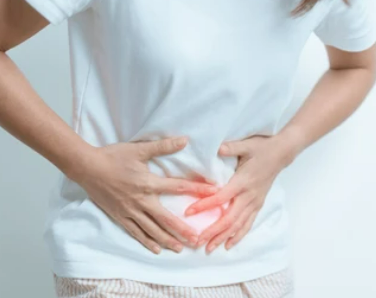
  • Urinary urgency and frequency
  • Burning with urination
  • Pelvic pain
  • Pain with intercourse
  • Low libido
  • Vaginal dryness
  • Recurrent UTIs
Request an Appointment

Questions about this quiz

Can my menopausal pelvic pain be relieved?
With the PRM Protocol™, patients can experience increased pelvic function and decreased pain.
Is menopausal pelvic pain common?
Yes. Many women do not talk about it because they assume it is normal, but it affects 57% of women going through menopause.
When should I seek treatment?
We recommend scheduling with one of our pelvic pain specialists if you have had pelvic pain or dysfunction for 6 months or longer.
Can menopause pelvic pain be cured?
With the PRM Protocol, patients can experience increased pelvic function and decreased pain. After the PRM Protocol™, 88% of patients missed 0 days of work due to pelvic pain in the last 3 months, 75% said their symptoms affected them 0 hours per week at work, 96% did not need the ER for pelvic pain in the past 3 months, and 75% note a statistically significant improvement in pain and function.
Does hormone therapy fix this?
Hormone therapy and vaginal estrogen can help with tissue changes, but they do not address the muscle and nerve pain that often comes with them. Many of our patients come to us after trying hormone therapy and still having pain.
What can I expect at my appointment?
You will meet with a pelvic pain specialist who focuses solely on pelvic pain. We review your full health history and symptoms, then conduct a full pelvic exam: externally your hips, abdomen, and posterior sacrum, and internally the nerves and muscles within the pelvis. There is no speculum, so the exam is gentler than gynecological exams you may have had before. We discuss our findings with you and build a treatment plan together.

More quizzes

Other quizzes that may help.

4 questions · About 2 minutes

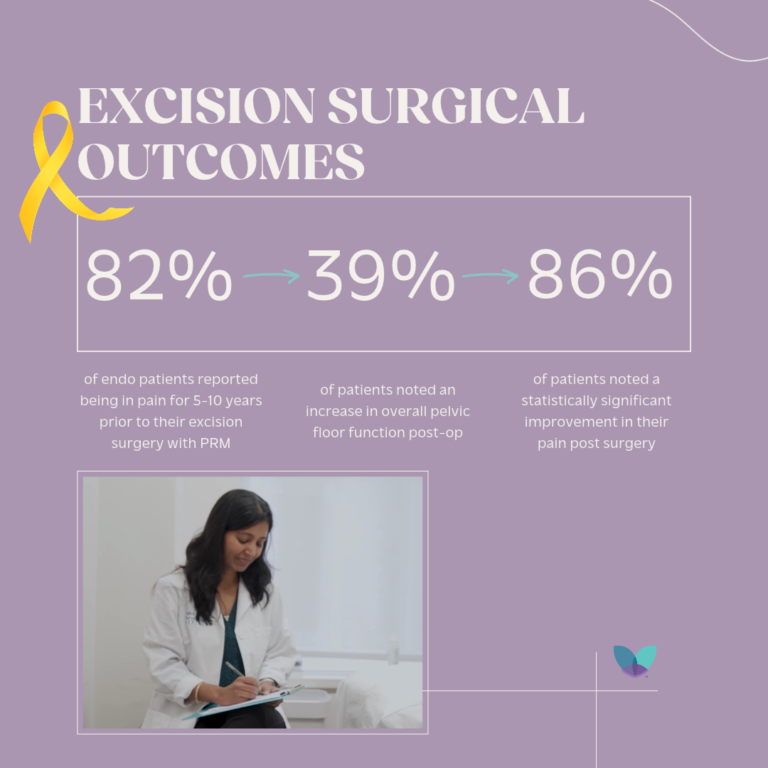
Is Endo Surgery Right for Me – Quiz

Explore whether endometriosis excision surgery may be right for you with this quick quiz about your symptoms and treatment options.

View quiz: Is Endo Surgery Right for Me – Quiz
10 questions · About 2 minutes

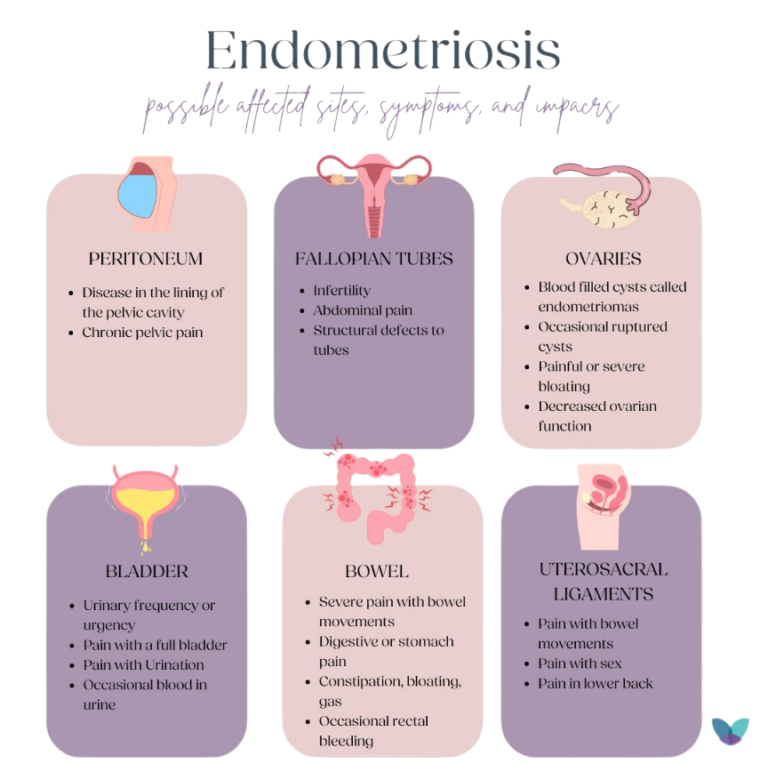
Adenomyosis Quiz

Take our quick quiz to explore whether your symptoms may be associated with adenomyosis and learn what steps to consider next.

View quiz: Adenomyosis Quiz

See all quizzes →

Meet our pelvic pain experts

Our nationwide pelvic pain specialists are on the front lines of educating patients and healthcare providers about pelvic pain.

Find a provider

Talk to a pelvic pain specialist today

You do not have to suffer in silence. You deserve a healthcare team that will listen to you and help you heal.

Request an appointment