Pelvic pain is common but it is often misunderstood, misdiagnosed, or dismissed. If you have been living with symptoms that do not feel normal, you are not alone.
This short, personalized quiz is designed to help you better understand your symptoms and connect you with the right care. Answer a few questions about what you've been experiencing, and we'll share which conditions may be relevant to your situation.
Our quiz adapts based on your answers, so the experience is tailored specifically to you. It typically takes 2–3 minutes to complete.
We've identified the following conditions as most relevant to the symptoms you described. These are common conditions we treat at Pelvic Rehabilitation Medicine, and our providers are experienced in helping patients find relief.
Complete the form below and a patient coordinator will reach out to you shortly to discuss next steps and schedule your appointment.
We've received your information and a patient coordinator will be in touch with you shortly to discuss your symptoms and help schedule your appointment.
At Pelvic Rehabilitation Medicine, we validate, advocate, and treat the source of your symptoms. You deserve nothing less.
If you’re looking for immediate assistance, please call us directly:
Our care team is available Monday–Friday, 9am–5pm in your local time zone.
In just a few minutes, this quiz will help you:
Unlike simple symptom checkers, this quiz follows a structured intake inspired approach similar to what providers ask during your first visit.
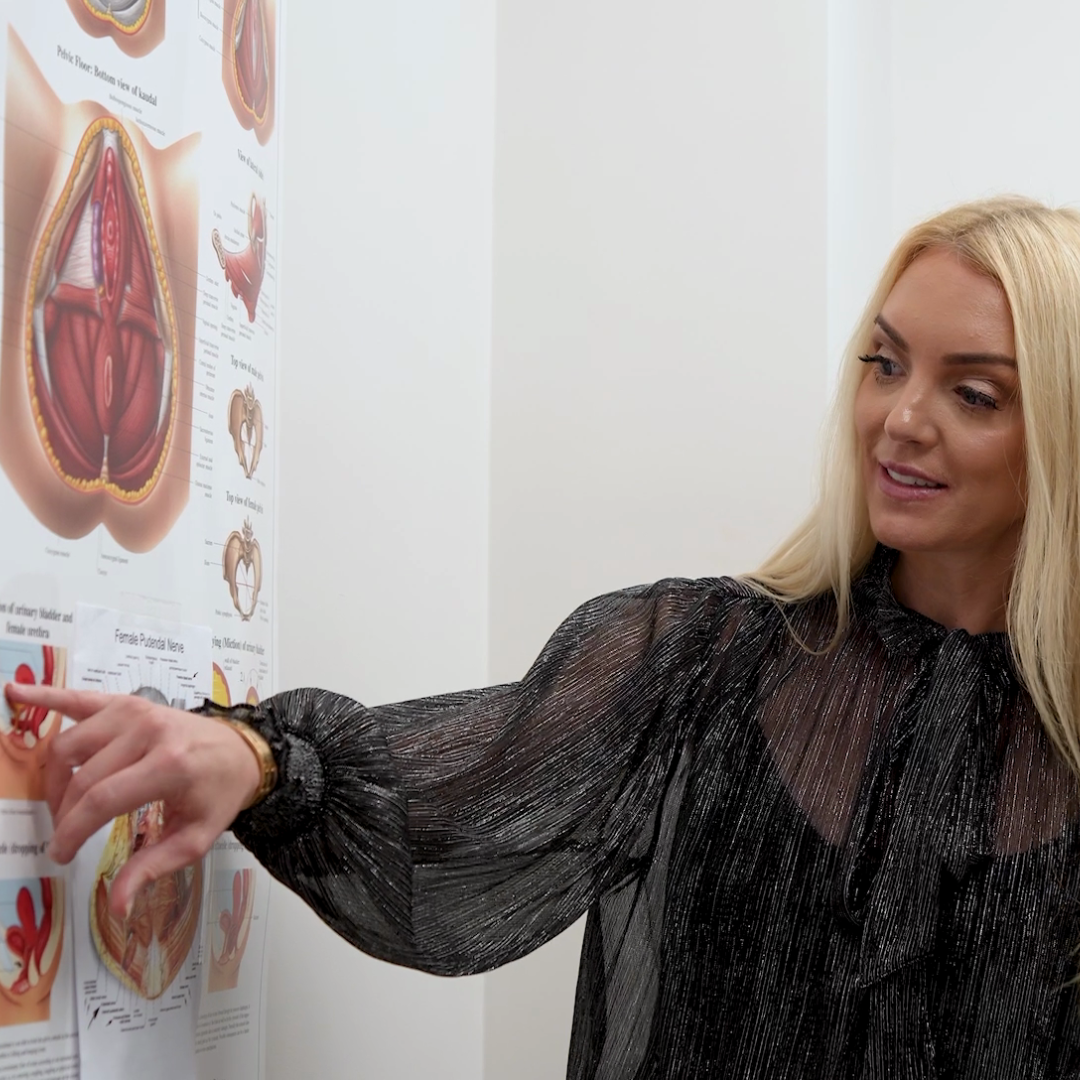
Based on your responses, you may see results like:
“It sounds like your symptoms may be consistent with conditions such as endometriosis or pelvic floor dysfunction.”
From there, you will have the option to:
Pelvic pain is not one condition. It is often the result of multiple overlapping issues.
Based on your answers, your results may align with conditions such as:
Many of these conditions share similar symptoms, which is why getting the right evaluation matters.
This quiz is for informational purposes only and is not a medical diagnosis.
Your results are designed to guide next steps, not replace care from a qualified provider.
If you are experiencing persistent or severe symptoms, we strongly encourage you to speak with a pelvic pain specialist.
At PRM, our team focuses on diagnosing and treating persistent pelvic pain. This is a better way to provide the quality of life that our patients deserve. Whether you are 1 in 9 suffering from endometriosis, or you are misdiagnosed and uncertain, we will never abandon you.
At Pelvic Rehabilitation Medicine, we understand the challenges faced by individuals with Chronic Pelvic Pain Syndrome (CPPS) in finding effective treatment options. Despite trying various medications, undergoing numerous tests, and consulting multiple healthcare providers, patients often struggle to find sustained relief. That’s why we developed the PRM Protocol™, a safer, more comfortable, and highly effective solution. This in-office treatment directly targets spastic pelvic floor muscles, pelvic inflammation, and nerve pain using ultrasound guidance, offering minimal downtime and lasting relief.
The PRM Protocol™ eliminates the need for invasive procedures, minimizes downtime, reduces associated risks, and optimizes outcomes, providing a customized and comprehensive treatment approach tailored to the unique needs and challenges of each CPPS patient. Choose Pelvic Rehabilitation Medicine for a transformative and precise treatment journey towards lasting pain relief.
Common causes include endometriosis, chronic pelvic inflammatory disease, uterine fibroids, irritable bowel syndrome (IBS), and interstitial cystitis (bladder inflammation).
Yes, chronic stress and mental health conditions are frequently linked to chronic pelvic pain symptoms.
Uterine spasms (menstrual cramps) are common, but severe pain may indicate underlying conditions like adenomyosis (tissue growing into the uterine wall) or endometriosis.
It is not normal, but often caused by pelvic floor muscle spasms, endometriosis, vaginal tissue sensitivity, or hormonal changes.
The treatment of Chronic Pelvic Pain Syndrome often involves multiple providers working together to ensure a successful outcome. We collaborate with the best specialists in the world including pelvic floor physical therapists, OB/GYNs, orthopedic surgeons, general surgeons, urologists, and urogynecologists. Our clinically proven treatments are effective in alleviating the underlying causes of pelvic pain and resolving muscular dysfunction.
The exact cause of Chronic Pelvic Pain is not always clear. It can be caused by direct injury to the pelvis or coccyx, or secondarily, by disorders of the bladder, gynecological system, or gastrointestinal complaints. Often patients with pelvic floor dysfunction may have no pain, but only have complaints of urinary frequency or chronic constipation.
No, unfortunately we cannot treat pregnant patients. However, patients with pain during pregnancy are at increased risk of pos partum pelvic pain and pelvic floor dysfunction, and we do recommend a visit 6-weeks postpartum. In all cases, please come see us if you are having pain with intercourse lasting greater than 8 weeks after giving birth.