Download The Guide
Download our complete guide for getting an endometriosis specialist referral
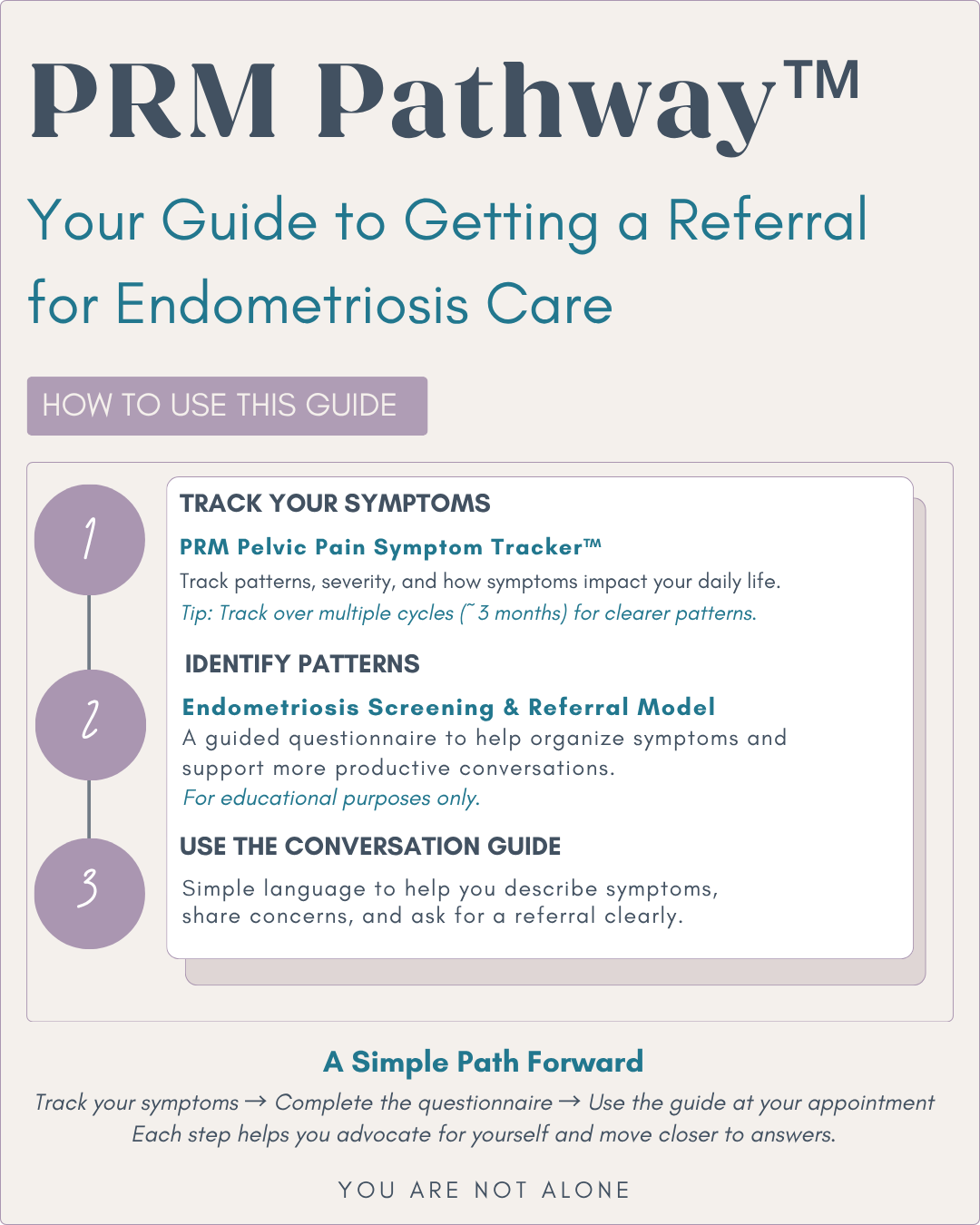
If you’ve been dismissed, misdiagnosed, or told your pain is “normal,” you’re not alone. It can be especially frustrating to be dismissed when your insurance carrier requires a referral before you can see an endometriosis specialist. If you’re in need of a referral to an endometriosis specialist, we’ll help you prepare, advocate, and take the next step toward getting the care you need.
Don’t need a referral? Book directly with one of our specialists now!

Many patients with endometriosis spend years searching for answers—often being told their pain is “just part of being a woman.” If you’ve felt unheard or unsure where to turn next, this experience is more common than it should be.
If you experience the following symptoms, you deserve to be seen by a specialist trained in pelvic pain and endometriosis:
Common challenges
Not all providers specialize in endometriosis
Symptoms may be misunderstood or minimized
It’s hard to clearly explain what you’re experiencing
You may not know what to ask for
How we help
Structured tools to track and communicate symptoms
Guidance for navigating provider conversations
Resources to help you advocate for specialist care
Education to help you understand your options
Pelvic pain and endometriosis excision specialists that treat your whole body, not just isolated symptoms
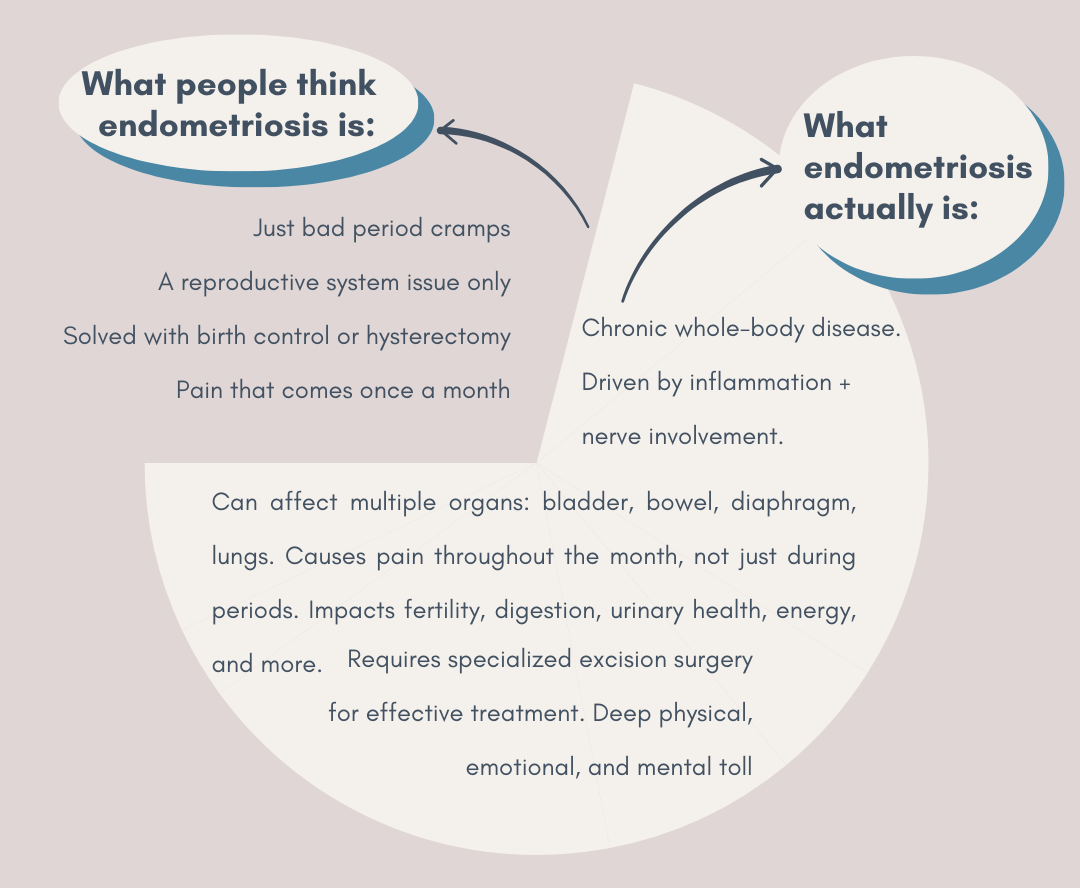
Our guided questionnaire, developed by endometriosis excision specialist Dr. Faraj Touchan, helps you and your provider better understand your symptoms and determine the best next step in your healthcare journey.
What it does:
This tool is for educational purposes only and is not a medical diagnosis.
Your symptoms deserve to be taken seriously.
Getting a referral can feel daunting, but with our guide, you can go into your next appointment feeling confident and prepared.
Download the Referral Guide now and start your next step towards healing today.
An endometriosis specialist is a physician often a fellowship-trained gynecologic surgeon who focuses on diagnosing and treating complex pelvic pain conditions like endometriosis. Many patients need a referral from a primary care provider or OB-GYN to see a specialist, depending on their insurance plan. Getting a referral can help ensure coverage and connect you with a provider experienced in advanced treatments like excision surgery.
To get a referral, start by scheduling an appointment with your primary care provider or OB-GYN. Bring documentation of your symptoms, such as a symptom tracker or diagnosis questionnaire. Clearly explain how your symptoms impact your daily life and request a referral to an endometriosis specialist or center of excellence like PRM. Some insurance plans may also allow self-referrals.
Common symptoms that may warrant a referral include severe menstrual pain, chronic pelvic pain, pain during intercourse, painful bowel movements, infertility, and symptoms that don’t improve with standard treatments. If your symptoms are persistent or worsening, a specialist can provide a more comprehensive evaluation.
This depends on your insurance plan. Some patients can book directly with PRM, while others may need a referral for coverage. Our team can help verify your insurance requirements and guide you through the referral process to make it as smooth as possible.
Be specific and direct. Describe your symptoms, how long you’ve experienced them, and how they affect your quality of life. You can say something like: “I’m experiencing ongoing pelvic pain and would like a referral to an endometriosis specialist for further evaluation.” Bringing a completed symptom tracker or questionnaire can strengthen your request.
Once your referral is approved, you can schedule an appointment with a specialist. At your first visit, the provider will review your medical history, symptoms, and any prior treatments. They may recommend imaging, additional diagnostics, or a personalized treatment plan, which could include advanced options like excision surgery or non-surgical treatment options like the PRM Protocol™.