Burning. Shooting. Stabbing. Tingling. Pain with sitting.

Pelvic Nerve Pain Specialists

Pelvic nerve pain occurs when nerves in or around the pelvis become irritated, inflamed, compressed, or entrapped. Because pelvic nerves help control sensation, bladder function, bowel function, and sexual health, nerve-related pain can affect many areas of the body and often presents differently from person to person.

At Pelvic Rehabilitation Medicine (PRM), we specialize in identifying and treating complex pelvic pain conditions, including nerve-related pelvic pain.

What Is Pelvic Nerve Pain?

Pelvic nerve pain is a type of chronic pelvic pain that develops when nerves within the pelvis become irritated or dysfunctional.

Unlike muscle pain, nerve pain is often described as:

  • Burning
  • Stabbing
  • Shooting
  • Electric shock-like
  • Tingling
  • Pins and needles
  • Numbness
  • Hypersensitivity to touch

Symptoms may be constant or intermittent and can occur in the pelvis, bladder, bowel, genitals, groin, hips, tailbone, or legs.
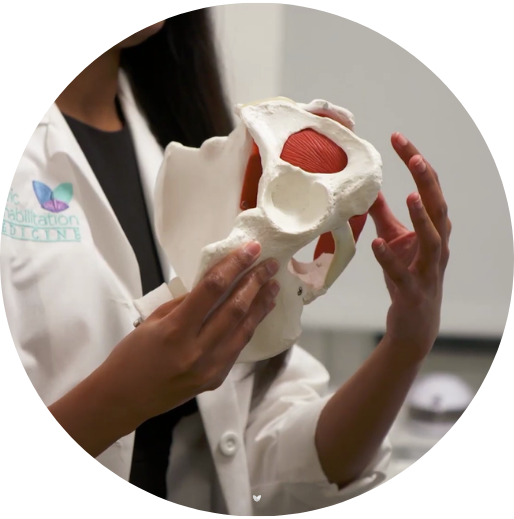

Understanding the Key Pelvic Nerves

Pelvic nerves are communication pathways that connect your brain to your pelvic organs, muscles, and surrounding tissues. These nerves help control bladder function, bowel movements, sexual function, sensation, and movement throughout the pelvis.

When these nerves become irritated, inflamed, compressed, or entrapped, they can contribute to a wide range of pelvic pain symptoms that are often difficult to diagnose.

The pudendal nerve provides sensation and control to the genital and perineal regions.

Common symptoms may include:

-Pain with sitting
-Genital pain
-Perineal pain
-Rectal pain
-Burning sensations
-Urinary symptoms
-Sexual dysfunction

The sacral nerves help regulate bladder, bowel, and sexual function.

Symptoms may include:

-Bladder pain
-Urinary urgency and frequency
-Bowel dysfunction
-Pelvic pain
-Sexual health concerns

The ilioinguinal nerve provides sensation to portions of the lower abdomen, groin, and upper thigh.

Symptoms may include:

-Groin pain
-Lower abdominal pain
-Hip discomfort
-Post-surgical nerve pain

When pelvic nerves become inflamed, compressed, irritated, or entrapped, they may send pain signals even when no injury is occurring.

This can result in:

-Sharp pain
-Burning pain
-Shooting pain
-Tingling sensations
-Numbness
-Pain that radiates to other areas of the body

Pelvic nerve pain can affect both men and women.

Symptoms of Pelvic Nerve Pain

Common symptoms include:

  • icon

    Pain with sitting

  • icon

    Burning pelvic pain

  • icon

    Vaginal pain

  • icon

    Vulvar pain

  • icon

    Penile pain

  • icon

    Perineal pain

  • icon

    Rectal pain

  • icon

    Tailbone pain

  • icon

    Groin pain

  • icon

    Hip pain

  • icon

    Inner thigh pain

  • icon

    Lower abdominal pain

  • icon

    Pain during intercourse

  • icon

    Pain after intercourse

  • icon

    Urinary urgency

  • icon

    Urinary frequency

  • icon

    Bladder pain

  • icon

    Bowel dysfunction

  • icon

    Tingling or numbness

  • icon

    Pain that radiates into the legs

Explore the nerves of the pelvis and see how different nerves can contribute to different symptom patterns.

Interactive Pelvic Nerve Anatomy

[Interactive Anatomy Graphic]

Could Endometriosis Be Affecting Your Pelvic Nerves?

Many people think of endometriosis as a reproductive condition, but its effects can extend far beyond the uterus.

Endometriosis-related inflammation can affect nearby tissues and nerves, potentially contributing to:

  • Bladder symptoms
  • Bowel symptoms
  • Hip pain
  • Leg pain
  • Tailbone pain
  • Burning pelvic pain
  • Pain with sitting

This is one reason why endometriosis symptoms can be difficult to recognize and may mimic other conditions.

When Should You Seek Care?

You should consider seeking evaluation if you experience:

  • Chronic pelvic pain lasting longer than three months
  • Burning or shooting pain in the pelvis
  • Pain with sitting
  • Persistent bladder symptoms
  • Persistent bowel symptoms
  • Unexplained genital or rectal pain
  • Pain that has not improved with previous treatment

Early evaluation can help identify contributing factors and guide appropriate treatment.

Frequently Asked Questions

Pelvic nerve pain is often described as burning, shooting, stabbing, tingling, electric, or radiating pain.

Yes. Endometriosis-related inflammation may affect nearby nerves and contribute to nerve-related symptoms.

No. Pudendal neuralgia is one specific type of pelvic nerve pain. Multiple nerves can contribute to pelvic pain symptoms.

Sitting may place pressure on irritated nerves, particularly the pudendal nerve, causing symptoms to worsen.

Yes. Tight pelvic floor muscles may contribute to nerve irritation and pelvic pain.

Yes. Pelvic nerve pain can affect individuals of all genders.

Treatment Options for Pelvic Nerve Pain

Once a proper diagnosis has been given, we offer a proprietary office-based procedure to treat your pelvic nerve pain. This treatment consists of a series of pelvic nerve and muscle treatments to directly target the spastic pelvic floor muscles, and treat the irritated and inflamed nerves that innervate your vagina. Depending on the condition causing your pelvic nerve pain, other modalities may be needed in addition to our treatment. Depending on the underlying cause of your pelvic nerve pain other treatment modalities may be added.

Why Choose Pelvic Rehabilitation Medicine?

Pelvic nerve pain can be complex, but patients deserve answers.

PRM specializes in the diagnosis and treatment of chronic pelvic pain conditions, helping patients understand the underlying factors contributing to their symptoms.

Our team takes a comprehensive approach to pelvic pain, evaluating the muscles, nerves, connective tissues, and associated conditions that may be contributing to discomfort.

You do not have to navigate pelvic pain alone.