The Mental Load of Chronic Pelvic Pain: What Patients Are Really Carrying

Chronic pelvic pain is not only a physical condition, but also a significant emotional and logistical burden. Patients often manage ongoing medical appointments, imaging, medications, physical therapy, surgical planning, and daily life responsibilities all at once. This constant coordination, along with uncertainty around symptom flares, can lead to anxiety, fatigue, and emotional exhaustion. At PRM, we recognize this “mental load” and prioritize flexible, patient-centered care that reduces overwhelm and supports sustainable long-term treatment.
Ask an Endo Surgeon | The Mental Load of Managing a Chronic Condition
Clinical insights informed by Dr. Reza Askari, Gynecologic Surgeon at PRM
Chronic pelvic pain is often talked about in terms of symptoms.
But what patients actually live with extends far beyond pain itself.
It’s the constant planning. The rescheduling. The organizing of life around a condition that does not follow a predictable pattern.
At PRM, one of the most consistent realities we see in patients living with chronic pelvic pain is that the hardest part is often not the pain alone, it’s the mental and emotional load that comes with managing it every day.
For many patients, care doesn’t look like a single appointment or a simple treatment plan.
It looks like a rotating schedule of:
And all of this happens while patients are still expected to maintain careers, relationships, households, and daily responsibilities.
Chronic pelvic pain does not pause life, it runs alongside it.
In clinical practice at PRM, providers frequently see how exhausting this coordination becomes for patients.
Even when each individual step of care makes sense medically, the combined weight can become overwhelming.
Patients are often not just managing symptoms, they are managing:
Over time, this can create a sense that healthcare itself has become another full-time responsibility layered on top of an already difficult condition.
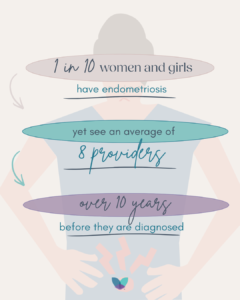
Another layer that significantly contributes to the mental load is the emotional history many patients carry into care.
It is common for patients to arrive at PRM after years of:
This experience often leads to self-doubt and heightened vigilance around symptoms.
Patients may begin anticipating flare-ups long before they happen, which keeps the nervous system in a prolonged state of stress.
From a clinical standpoint, this ongoing stress response can contribute to nerve-related pelvic pain and:
Clinical insight from Dr. Askari and the PRM care team highlights an important pattern seen in chronic pelvic pain:
The nervous system does not separate physical pain from emotional stress.
When the body is in a prolonged state of stress or anticipation of pain, it can lead to:
This creates a cycle where physical symptoms and emotional stress continuously reinforce one another.
Understanding this connection is essential for effective, comprehensive care.
One of the most important truths in chronic pelvic pain care is that there is no single “correct” way to manage it.
What works for one patient may not be realistic for another.
Some patients can attend physical therapy multiple times per week. Others cannot.
Some can travel for specialized imaging. Others need local or more accessible options.
Some benefit from telemedicine follow-ups. Others require in-person care at specific intervals.
None of these variations reflect failure.
They reflect real life.
At PRM, care is built around the understanding that sustainability matters just as much as treatment.
When care is flexible and individualized, patients are more likely to:
Flexibility is not a convenience, it is a clinical necessity in chronic pelvic pain care.
Chronic pelvic pain is not just a physical condition.
It affects how patients think, plan, move, work, sleep, and relate to their own bodies.
The goal of care is not to create a perfect system, it is to create a sustainable one.
At PRM, our Centers of Excellence focus on building care plans and treatment options that acknowledge the full reality of what patients are carrying, not just the symptoms they present with.
Because no one should have to manage chronic pelvic pain alone, or treat their care like another full-time job.
Chronic pelvic pain often requires ongoing coordination of care including appointments, imaging, therapy, and treatment planning. This creates both a physical and emotional burden that impacts daily life.
PRM focuses on flexible, patient-centered care that adapts to each patient’s lifestyle, including telemedicine options, coordinated care planning, and individualized treatment strategies,
Yes. Many patients experience what is known as “care fatigue” or “mental load,” especially when managing long-term or complex conditions.
Stress can increase muscle tension and nervous system sensitivity, which may amplify pain perception and contribute to flare cycles.
Talk to your provider. Treatment plans should be adjusted based on what is realistic and sustainable for your life.