Perimenopause can be confusing, frustrating, and full of surprises. To help women navigate this transitional phase, Ximena Rossato, one of our NYC pelvic pain specialists, shares her expert insights on what perimenopause is, the common and less-known symptoms, and how to get the right care.
What Is Perimenopause—and How Can You Tell You’re Entering This Phase?
Perimenopause is the transition period before menopause, typically starting in your late 30s or early 40s and lasting several years. While the average age of menopause is 51, hormonal changes can begin 4 to 10 years earlier.
During perimenopause, your ovaries produce less estrogen, progesterone, and testosterone—but the biggest change is that estrogen levels become highly variable, fluctuating day to day or even hour to hour. Progesterone also declines steadily, often leading to irregular menstrual cycles and sometimes missed ovulation.
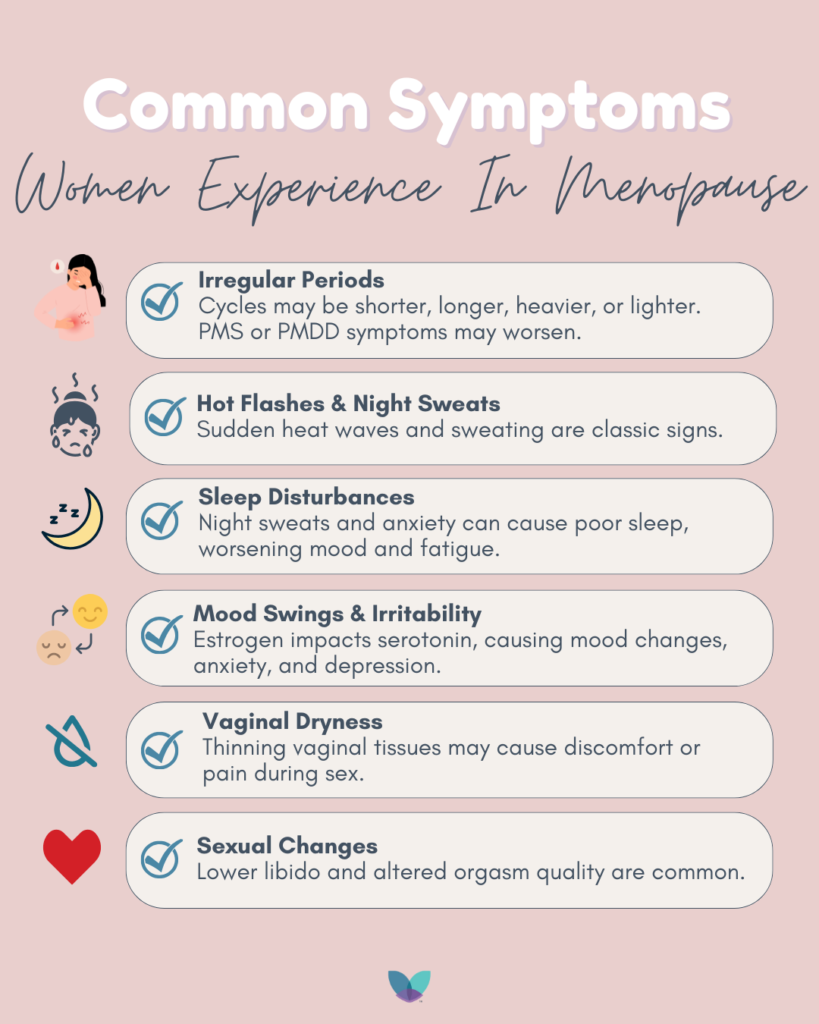
Common Symptoms Women Experience in Perimenopause
Many women know about hot flashes and irregular periods, but symptoms run much deeper, including:
- Irregular Periods: Cycles may be shorter, longer, heavier, or lighter. PMS or PMDD symptoms may worsen.
- Hot Flashes & Night Sweats: Sudden heat waves and sweating are classic signs.
- Sleep Disturbances: Night sweats and anxiety can cause poor sleep, worsening mood and fatigue.
- Mood Swings & Irritability: Estrogen impacts serotonin, causing mood changes, anxiety, and depression.
- Vaginal Dryness: Thinning vaginal tissues may cause discomfort or pain during sex.
- Sexual Changes: Lower libido and altered orgasm quality are common.
Lesser-Known Symptoms You Might Not Connect to Perimenopause
- Perimenopause can cause many confusing symptoms, including:
- Pelvic pain or cramping outside of your period
- Brain fog or trouble concentrating
- Dry, irritated eyes
- Changes in skin and hair, such as thinning hair, acne, or facial hair growth
- Digestive issues like bloating or changes in bowel habits
- New or worsening allergies
- Joint and muscle pain
- Tingling or electric shock sensations in limbs
Pelvic Pain and Perimenopause: What’s Going On?
If pelvic pain worsens or is new during perimenopause, it could be related to fluctuating hormone levels affecting conditions like endometriosis or fibroids.
- Endometriosis: Estrogen spikes fuel the growth of endometrial tissue, causing pain flare-ups.
- Fibroids: These non-cancerous uterine growths can grow or shrink unpredictably, leading to heavy periods and pelvic pressure.
Hormonal changes also increase nerve sensitivity (central sensitization), meaning pain from other pelvic conditions like IBS or bladder pain syndrome can feel worse.
What Types of Pain Are Common, and When Should You See a Doctor?
Pain symptoms during perimenopause often include pelvic, breast, joint, and muscle pain. You should seek medical attention if:
- Pain is severe or worsening
- It interferes with daily life
- It’s accompanied by unusual symptoms like abnormal bleeding or weight loss
- It starts suddenly after age 50
Who Should You See for Perimenopause Care?
You can find knowledgeable care from various providers:
- Pelvic pain specialists, such as the team at PRM
- Gynecologists
- Midwives
- Primary care providers
- Family medicine doctors
The key is finding a provider experienced in perimenopause who listens and treats the whole person—not just the symptoms.
How Can Pelvic Floor Health Help During Perimenopause?
Estrogen loss can weaken pelvic muscles, causing bladder leaks, pelvic pain, and discomfort during intimacy. Pelvic floor physical therapy (PFPT) is a low-risk, effective treatment that helps strengthen or relax muscles, reduce pain, and improve sexual function.
Managing Perimenopause: Hormonal and Non-Hormonal Treatments
Hormone Therapy is often the most effective treatment for hot flashes, vaginal dryness, mood, and joint pain. It’s safe for most women under 60 or within 10 years of menopause, except those with certain health risks.
Non-Hormonal Options include supplements, SSRIs, and lifestyle therapies like cognitive behavioral therapy, yoga, and pelvic floor therapy.
Final Advice: Trust Your Experience and Seek Support
Perimenopause symptoms can be overwhelming, and “normal” blood tests don’t always tell the full story. If you feel “off,” trust yourself and find a provider who understands the complexity of this phase and supports you with personalized care.
If you’re experiencing perimenopause symptoms or pelvic pain and want expert care, schedule a consultation with Ximena Rossato at PRM. We’re here to help you feel your best at every stage.