PRM and Project Endo

University Health Initiative

College is often the first time students navigate healthcare independently—and symptoms can be overlooked.

The University Health Initiative equips campuses with educational resources and programming designed to support earlier recognition of pelvic pain and endometriosis symptoms.

Students Are Missing More Than Class

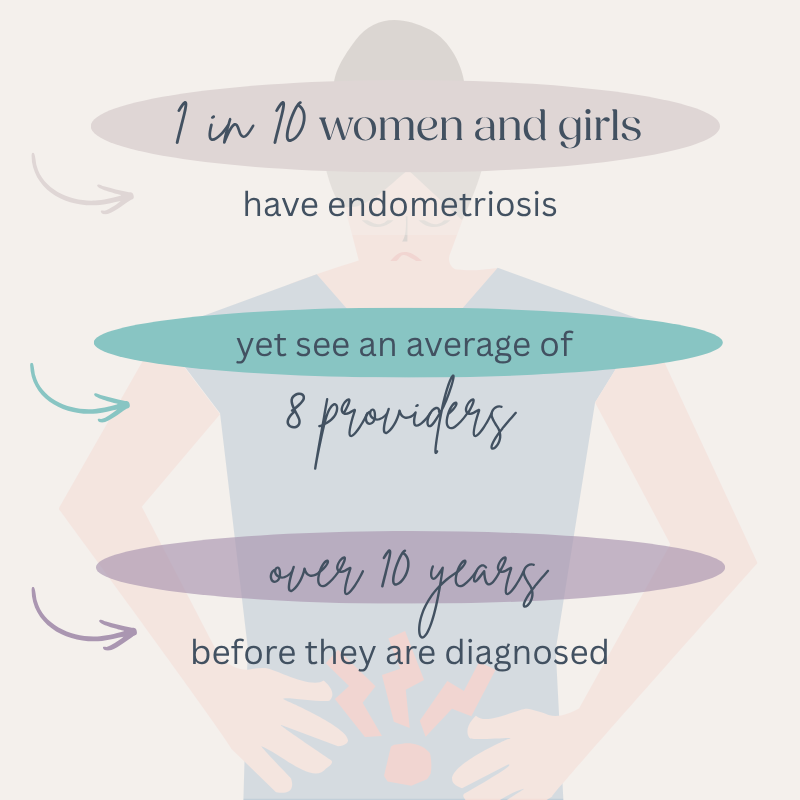
Endometriosis affects 1 in 10 women and girls, however, many of these patients won’t receive a proper diagnosis for up to 12 years after the initial onset of symptoms.

Earlier diagnosis is key to improving the quality of life for patients impacted by this lifelong condition.

With this goal in mind, PRM has partnered with Project Endo to provide educational resources and programming on college campuses.

Through our University Health Initiative, on-campus health providers will be equipped to support earlier recognition of pelvic pain and endometriosis symptoms.
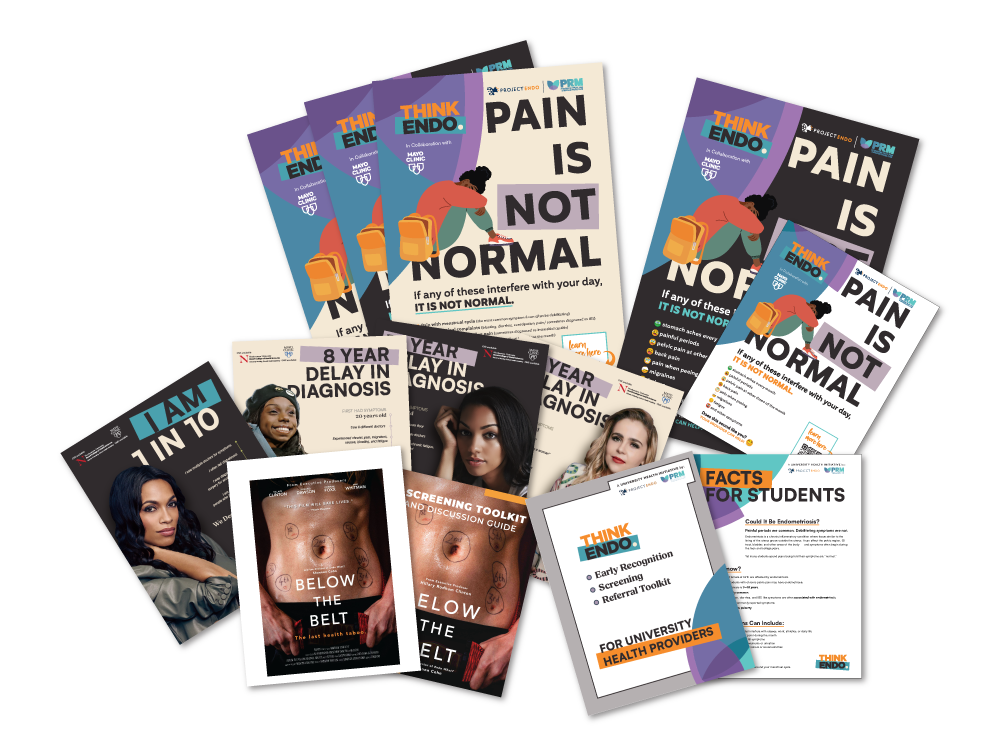
 

For Students

Signs you or someone you know may be living with undiagnosed endo:

  • Ongoing pelvic pain, lasting more than 6 months, without a clear explanation
  • Severe period pain that has not improved with common treatments
  • Pain during sex, bowel movements, or urination
  • Ongoing stomach, bowel, or bladder symptoms that seem to get worse around your period
  • Continued pain after gynecologic surgery
  • Normal imaging results (like an ultrasound or MRI) but symptoms that continue
  • Trouble getting pregnant when endometriosis may be the cause

For Providers

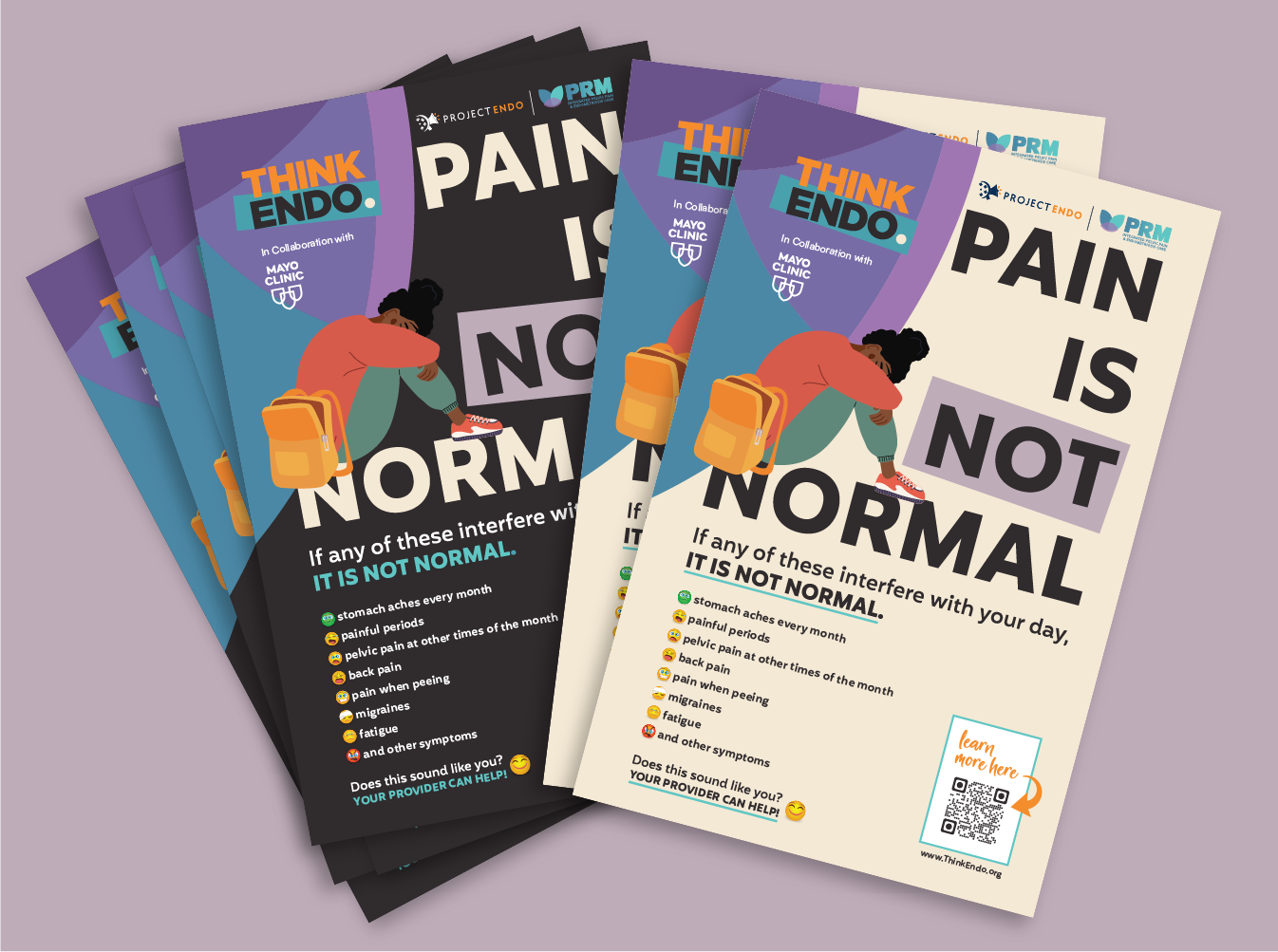
Request the Think Endo Toolkit™

What’s included:

Clinical Resources

  • Educational sessions for health staff (virtual or in-person)
  • Early symptom recognition guidance
  • Pelvic pain validation strategies
  • Referral pathway considerations
  • Clinical discussion prompts
  • Quick-reference resources and checklists

Student Support Tools

  • Student-facing fact sheet and resources
  • Communication strategies

Campus Programming

  • Below the Belt film screening guide
  • Press Kit

Why PRM

Integrated Pelvic Pain & Endometriosis Care

Surgical and Non-Surgical Relief for Endometriosis & Pelvic Pain

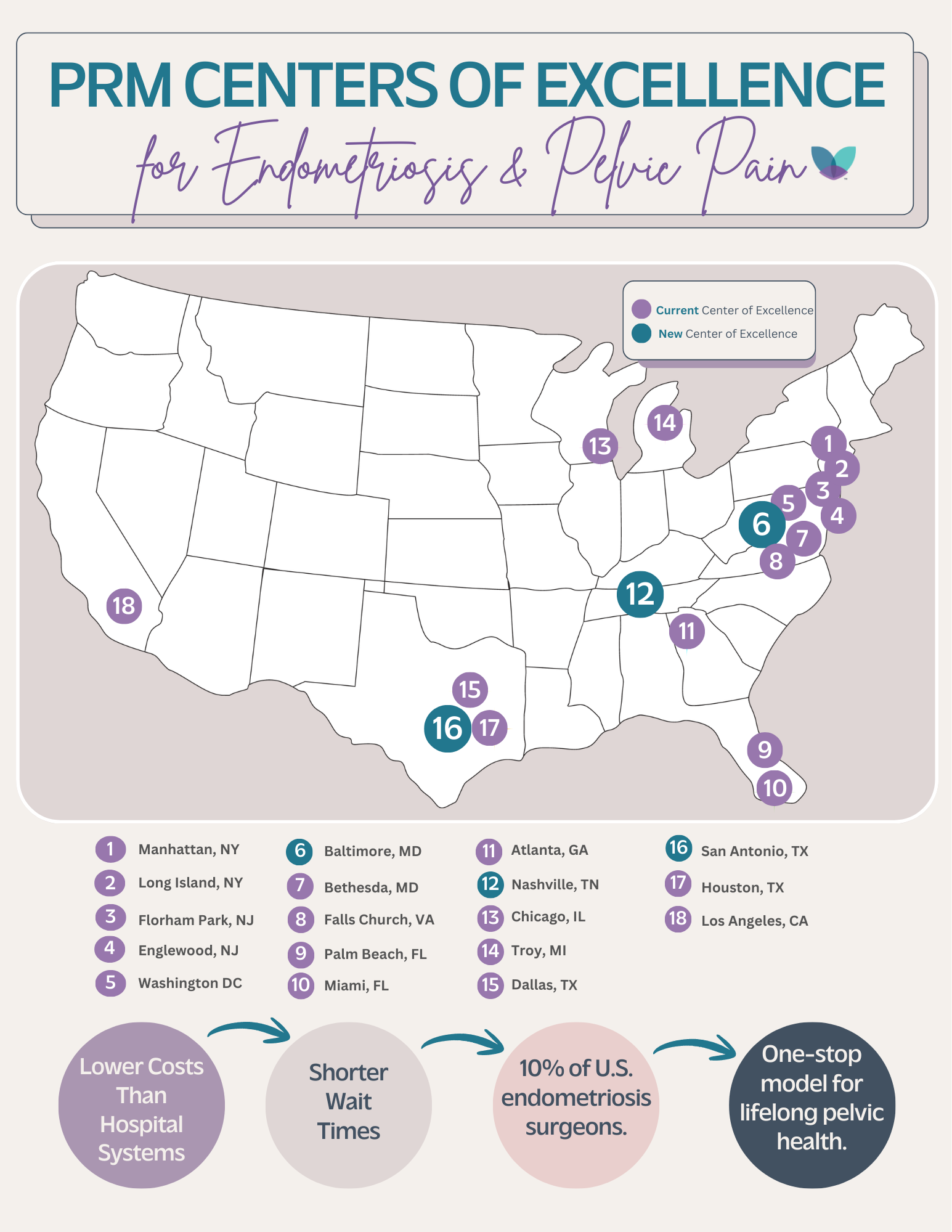
The PRM Centers of Excellence

The PRM Center of Excellence provides comprehensive, long-term care for endometriosis patients, including before, and after, their excision surgery. With a team of pelvic pain and endometriosis specialists, we are improving surgical outcomes and reducing the overall total number of surgeries patients undergo in their lifetime.

At PRM, our goal is to reduce the total number of surgeries endometriosis patients must undergo in their lifetime. With endometriosis being a systemic, inflammatory disease process, patients must be educated about how the disease affects their body and the importance of pain and symptom management.

Working with both pelvic pain specialists and endometriosis excision surgeons through the PRM Center of Excellence means endometriosis patients will not only experience enhanced surgical outcomes, but better understand their condition, how it affects their pelvic floor, and receive the treatment and guidance needed to manage it.

Improving Lives Through Social Impact, Strategic Partnerships, and Educational Campaigns

More About Our Partner, Project Endo

Project Endo harnesses the power of groundbreaking films and educational initiatives to transform how endometriosis is understood, diagnosed, and treated.

PRM is proud to be a Project Endo partner and supporter.

Ready to Refer Now?

Refer A Patient

Please enter the patient's first name.
Please enter the patient's last name.
Please enter a valid email.
Please enter the patient's phone number.
Please use MM/DD/YYYY.
Please select a preferred location.
Please select a provider.
Please select a referral reason.

Patient Outcomes Data

Our data proves not only the efficacy of our treatment but shows that patients see exceptional outcomes.

96%

Reduction in ER Visits

88%

Patients Stated They Missed 0 Days of Work Due to their Pain

75%

PRM Patients Note a Statistically Significant Improvement in Pain and Function

68%

Reduction in Opioid Use