Why Am I Still in Pain After Endometriosis Excision Surgery?

Endometriosis excision surgery is the gold standard treatment for removing endometriosis lesions, but some patients may continue to experience pain afterward. Persistent pain does not necessarily mean surgery failed. Pelvic floor dysfunction, nerve sensitization, and other overlapping pelvic pain conditions can continue causing symptoms. Chronic pain can cause pelvic floor muscles to tighten and nerves to become hypersensitive, creating additional sources of pain even after lesions are removed. A multidisciplinary approach that addresses endometriosis, pelvic floor dysfunction, and nervous system health can help improve long-term outcomes and quality of life. Understanding all contributors to pain is essential for developing an effective treatment plan before and after surgery.
Ask An Endo Surgeon | Why Am I Still in Pain After Endometriosis Excision
Even when endometriosis lesions are successfully removed, other contributors to pain may remain. Pelvic floor dysfunction, nerve sensitization, scar tissue, and overlapping pelvic pain conditions can continue generating symptoms if they are not addressed as part of a comprehensive treatment plan.
Not necessarily. Many patients continue experiencing symptoms despite successful removal of visible endometriosis. Persistent pain often indicates that additional pain generators, such as pelvic floor muscle dysfunction or nervous system hypersensitivity, also need treatment.
Pelvic floor dysfunction occurs when the muscles of the pelvic floor become tight, weak, or uncoordinated. In patients with endometriosis, chronic pain often causes these muscles to tighten over time, creating an additional source of pelvic pain, urinary symptoms, bowel symptoms, and painful intercourse.
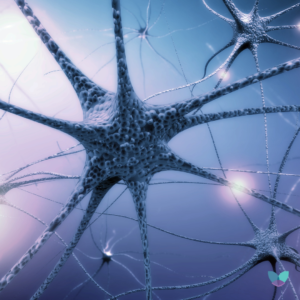
Nerve sensitization occurs when the nervous system becomes more reactive after prolonged pain and inflammation. Over time, nerves may continue sending pain signals even after the original source of irritation has improved, contributing to ongoing symptoms.
A multidisciplinary approach addresses all contributors to chronic pelvic pain, including endometriosis, pelvic floor dysfunction, nerve sensitization, bladder symptoms, bowel symptoms, and musculoskeletal dysfunction. Treating these factors together may improve pain, function, and overall quality of life.