What is the Difference Between Endometriosis and PCOS?
Polycystic Ovary Syndrome (PCOS) and endometriosis are two of the most common gynecological conditions affecting women of reproductive age. While both can impact fertility and overall quality of life, they are distinct in their causes, symptoms, and treatment options.
Understanding the differences between PCOS and endometriosis can help you seek the appropriate care and manage your conditions effectively, with the help of your gynecologist or pelvic pain specialist.
What is PCOS?
PCOS is a hormonal disorder that affects how a woman’s ovaries function. It is characterized by irregular or absent periods, an excess of androgens (male hormones), and the presence of multiple small cysts on the ovaries. This condition can cause a range of symptoms and is closely linked to insulin resistance and metabolic health.
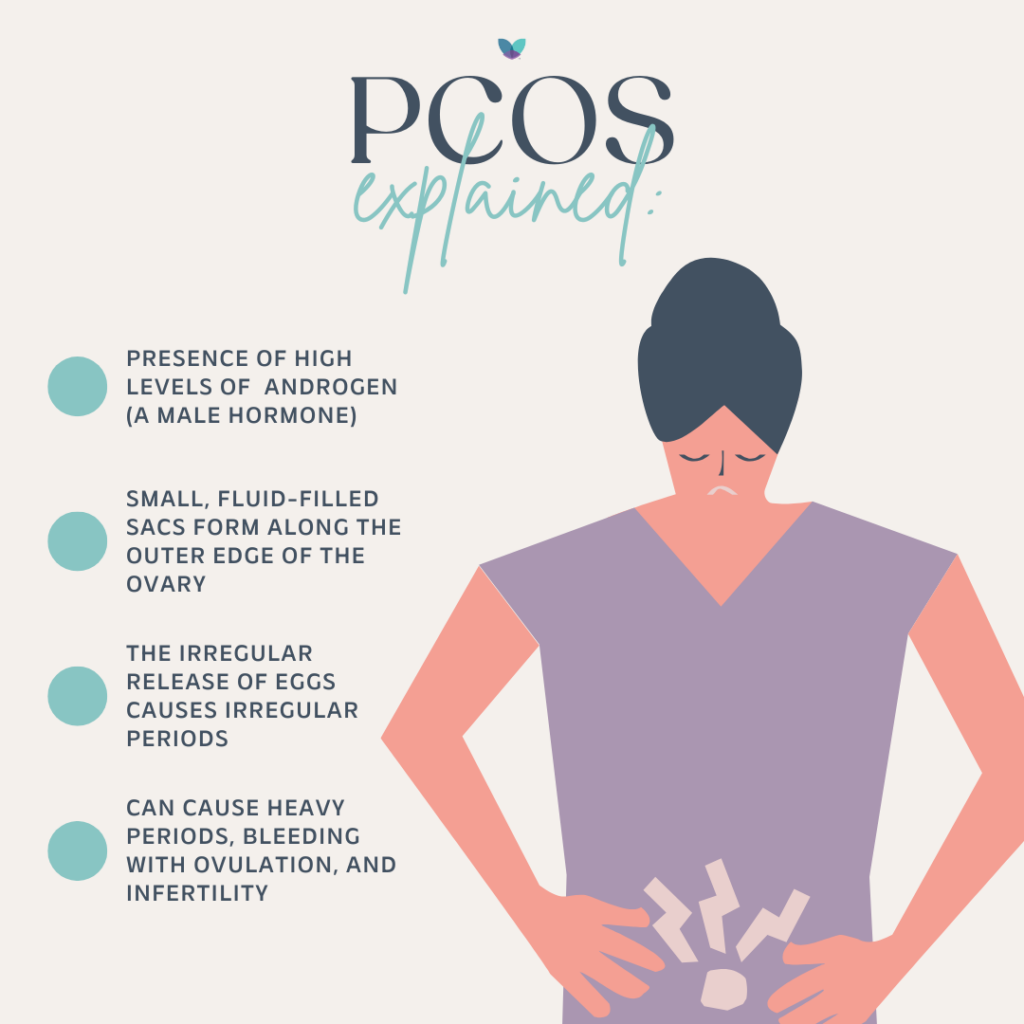
6 Key Symptoms of PCOS:
Irregular periods: Women with PCOS often experience infrequent or prolonged menstrual cycles.
Excess androgen: High levels of male hormones can cause physical signs such as acne, excessive hair growth (hirsutism), and male-pattern baldness.
Polycystic ovaries: Enlarged ovaries containing many small follicles that do not release eggs regularly.
Weight gain: Many women with PCOS struggle with weight management and may experience difficulty losing weight.
Insulin resistance: PCOS is strongly linked to insulin resistance, which can lead to type 2 diabetes.
What is Endometriosis?
Endometriosis is a chronic condition in which tissue similar to the lining of the uterus grows outside of the uterus, such as on the ovaries, fallopian tubes, and pelvic organs, as well as other places in the body. This tissue continues to act like endometrial tissue by thickening, breaking down, and bleeding with each menstrual cycle, but because it has no way to exit the body, it causes pain, inflammation, and scar tissue.
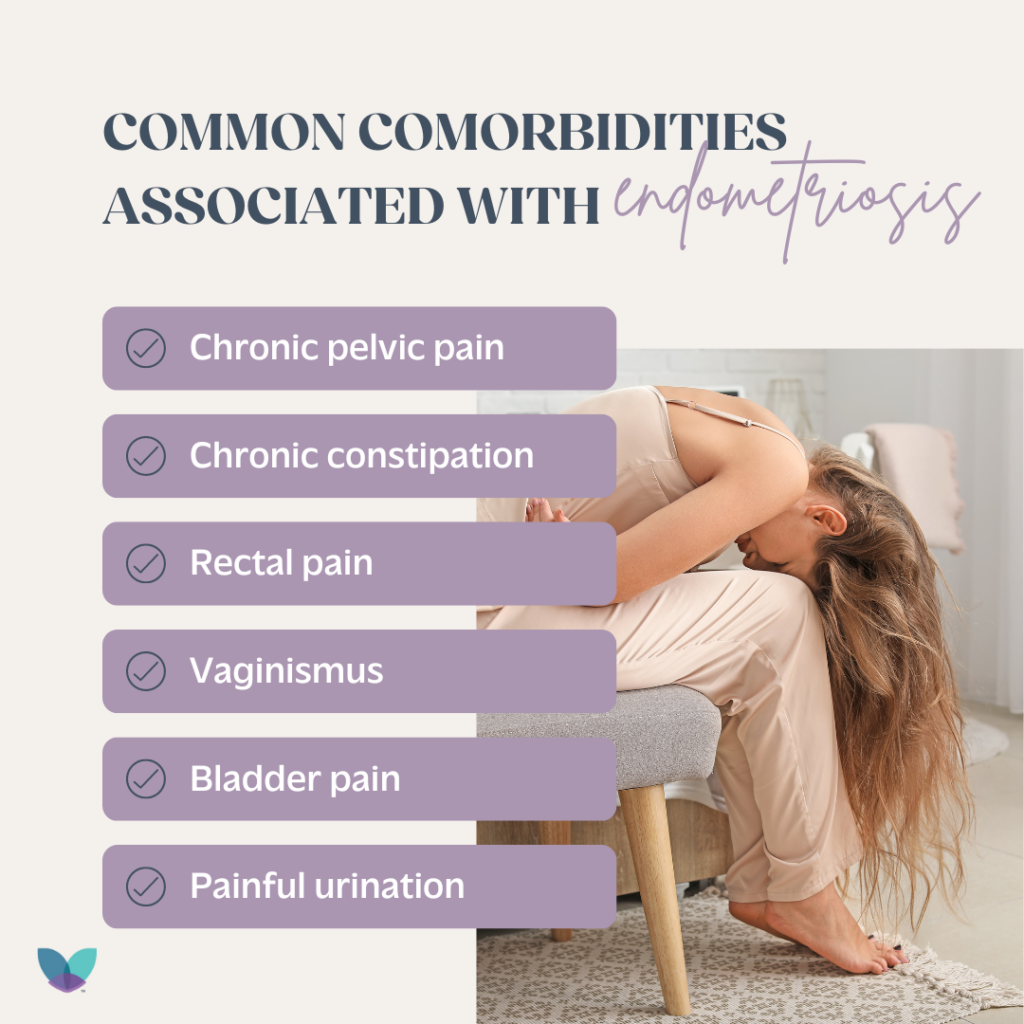
5 Key Symptoms of Endometriosis:
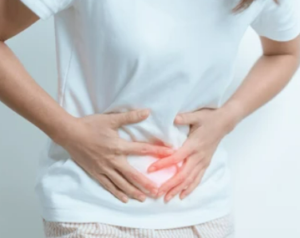
Severe pelvic pain: The hallmark of endometriosis is chronic, debilitating pelvic pain that often worsens during menstruation.
Pain during intercourse: Many women with endometriosis experience deep pain during or after sex.
Heavy periods: Endometriosis can cause abnormal menstrual bleeding, including heavy periods (menorrhagia) or bleeding between periods.
Infertility: Endometriosis is one of the leading causes of infertility due to the damage it can cause to the reproductive organs.
Pain with bowel movements or urination: These symptoms often occur during menstruation if the endometrial-like tissue is affecting nearby organs.
Take the Endometriosis Symptoms Quiz
How PCOS and Endometriosis Differ
Though both PCOS and endometriosis can affect fertility and cause menstrual irregularities, their origins and impact on the body differ significantly:
- PCOS is primarily a hormonal disorder with links to insulin resistance, androgen excess, and metabolic imbalances.
- Endometriosis is an inflammatory condition driven by the presence of uterine-like tissue growing outside the uterus, causing chronic pain and scar tissue.
PCOS Symptoms vs Endometriosis Symptoms
- PCOS often presents with symptoms like irregular periods, acne, weight gain, and excess hair growth due to high levels of androgens.
- Endometriosis is characterized by intense pelvic pain, pain during sex, heavy periods, and gastrointestinal issues, often unrelated to hormones like androgens.

How Does PCOS and Endometriosis Affect Fertility?
- PCOS affects fertility by preventing ovulation (anovulation), but with lifestyle changes, medications, and fertility treatments, many women with PCOS can conceive.
- Endometriosis can damage reproductive organs, creating physical barriers to conception, which may require surgical intervention or advanced fertility treatments like IVF.
PCOS and Endometriosis Effects on Weight and Metabolism
- PCOS is closely associated with weight gain and insulin resistance, leading to a higher risk of developing type 2 diabetes.
- Endometriosis, on the other hand, is not directly linked to weight gain or metabolic issues.
How Are PCOS and Endometriosis Diagnosed?
- PCOS is often diagnosed based on clinical symptoms, blood tests showing elevated androgens, and ultrasound images revealing polycystic ovaries.
- Endometriosis can only be definitively diagnosed through laparoscopy, as imaging and symptoms alone are not always reliable and are often missed, especially if the disease is not suspected. Endometriosis can also be diagnosed clinically when the following are present:
- chronic or cyclical pain
- chronic pain with menstrual cycle
- chronic constipation or IBS-like symptoms
- bladder symptoms such as urinary frequency and urgency
- being diagnosed with a UTI, but no infection is present
How Are PCOS and Endometriosis Treated?
- PCOS treatment typically focuses on managing symptoms, such as regulating periods with birth control, controlling insulin levels with diet and medications like metformin, and addressing excess hair growth or acne.
- Endometriosis treatment often involves pain management, lifestyle modifications to reduce inflammation, hormonal therapies to reduce menstrual bleeding, and in severe cases, laparoscopic excision surgery to remove endometrial-like tissue.
At PRM, we work with endometriosis patients on lifetime management which can include excision surgery with one of our surgeons, and inflammation reduction and addressing comorbidities associated with endometriosis through the PRM Protocol™.
Can You Have Both PCOS and Endometriosis?
Yes, it is possible for some women to have both PCOS and endometriosis, though the conditions have different causes and treatment approaches. Managing both can be challenging, as they affect the body in distinct ways, but with proper medical care, women can find ways to alleviate symptoms and improve their quality of life.
Symptoms Management is Possible
PCOS and endometriosis are two unique conditions that require distinct diagnostic approaches and treatment strategies. While both can impact reproductive health and quality of life, understanding their differences is key to managing symptoms effectively. If you suspect you may have either condition, consulting with a specialist is crucial to getting the right diagnosis and care plan. Early intervention can make a significant difference in managing both PCOS and endometriosis, allowing individuals to lead healthier, more comfortable lives.