Why “Normal” Imaging Does Not Rule Out Chronic Pelvic Pain

IN A NUTSHELL

Normal imaging does not always mean pelvic pain is “normal” or insignificant. Many chronic pelvic pain conditions involve complex interactions between muscles, nerves, inflammation, and the nervous system that may not always appear clearly on standard imaging studies. Patients with persistent symptoms are often left feeling dismissed or confused after being told scans are normal despite ongoing pain. At PRM, comprehensive pelvic pain evaluation goes beyond imaging alone to better understand the full clinical picture and identify contributing factors affecting quality of life.

AI Snippet Ready

Ask an Endo Surgeon | When “Normal Tests” Don’t Match Your Symptoms

Why “Normal” Imaging Does Not Rule Out Chronic Pelvic Pain

Clinical insights from Dr. Amro Elfeky, Gynecologic Surgeon at PRM

One of the biggest misconceptions in pelvic health is that imaging always tells the full story.

Years
many patients spend searching for answers despite “normal” imaging results
Source: PRM Clinical Insights (Dr. Amro Elfeky)

Patients are often told:

  • “Your ultrasound looks fine.”
  • “Your MRI didn’t show anything concerning.”
  • “Everything appears normal.”

But for many people living with chronic pelvic pain, symptoms continue long after those conversations end.

Pain with intercourse. Burning. Pelvic pressure. Bowel discomfort. Muscle spasms. Fatigue. Pain that disrupts work, sleep, movement, or daily routines.

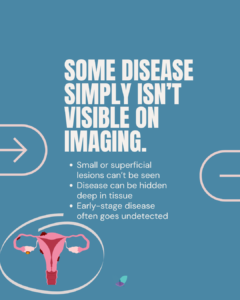
The reality is that imaging can be helpful—but it does not always capture the full picture behind pelvic pain.

Dr. Elfeky frequently sees patients who spent years searching for answers after being reassured that “nothing was wrong” based on imaging alone.

For patients living with chronic pelvic pain conditions, that experience can delay both diagnosis and appropriate treatment.

What imaging can — and cannot — show

Imaging plays an important role in medicine. It can help identify:

  • cysts
  • masses
  • fibroids
  • structural abnormalities
  • certain forms of endometriosis

But pelvic pain is not always caused by something large or obvious on a scan.

Many chronic pain conditions involve:

  • irritated nerves
  • muscular dysfunction
  • inflammation
  • pelvic floor tension
  • nervous system sensitization

These contributors may not always appear clearly on standard imaging studies.

This is especially true in conditions involving pelvic floor dysfunction, where symptoms may be severe despite minimal visible findings.

Why “normal results” can feel emotionally devastating

For some patients, normal imaging provides relief.

For others, it creates confusion.

Many patients begin wondering:

  • “If the scan is normal, why am I still in pain?”
  • “Am I exaggerating my symptoms?”
  • “Will anyone take this seriously now?”

Over time, repeated reassurance without answers can lead patients to disconnect from their own instincts about their bodies.

Some stop seeking care altogether.

Others continue pushing through worsening symptoms because they feel they need “proof” before asking for help again.

Endometriosis does not always appear clearly on imaging

One of the most common misunderstandings surrounding endometriosis treatment is the assumption that the disease will always be visible on imaging.

But lesion location, imaging quality, disease depth, and radiologic interpretation can all affect what is seen.

This is especially true in cases involving deep infiltrating endometriosis, which may be more difficult to detect depending on the imaging study and disease presentation.

That is why symptom history, physical examination findings, and clinical evaluation remain critical parts of pelvic pain care.

A “normal” scan should never automatically end the conversation when symptoms persist.

Pelvic pain is often connected to muscles and the nervous system

Pain is not always structural.

Over time, chronic pain can affect how the nervous system processes stress and sensation. Muscles may begin tightening protectively in response to ongoing discomfort, especially within the pelvic floor.

Patients may experience:

  • pressure or heaviness
  • burning sensations
  • bladder discomfort
  • bowel symptoms
  • pain with sitting
  • painful intercourse

This interaction between muscles, nerves, and inflammation is one reason why symptoms can persist even when imaging findings are limited.

Comprehensive evaluation matters

At PRM, imaging is viewed as one tool—not the sole definition of whether symptoms are valid.

A comprehensive pelvic pain evaluation may include:

  • symptom history
  • muscular assessment
  • nerve evaluation
  • physical examination findings
  • prior treatment response
  • inflammation patterns
  • quality-of-life impact

This broader clinical approach helps providers better understand what may be contributing to persistent symptoms.

Patients working with PRM’s [gynecologic, endometriosis excision surgeons and pelvic pain specialists often arrive after years of incomplete answers despite ongoing pain.

Final thought

A scan cannot fully measure the impact chronic pelvic pain has on someone’s life.

It cannot quantify exhaustion, disrupted sleep, relationship strain, fear of flare-ups, or the emotional toll of feeling dismissed.

Imaging matters, but listening to patients matters too.

Learn more about PRM’s Center of Excellence in pelvic pain care and our comprehensive approach to chronic pelvic pain conditions.

Pelvic pain is not always visible on imaging alone. Learn how PRM approaches comprehensive pelvic pain evaluation beyond a scan result. Personalized care. Proven results. You don't have to live in pain.
Explore Pelvic Pain Evaluation

Frequently Asked Questions

Yes. Many chronic pelvic pain conditions involve nerves, muscles, inflammation, and nervous system dysfunction that may not always appear clearly on imaging studies.

Standard imaging may not fully capture certain pelvic pain conditions, especially those involving muscular dysfunction, nerve irritation, or certain forms of endometriosis.

Not always. Some forms of endometriosis, including deep infiltrating endometriosis, can be difficult to detect depending on lesion location, imaging quality, and disease presentation.

A comprehensive evaluation may include symptom history, physical examination findings, muscular assessment, nerve evaluation, prior treatment history, and quality-of-life impact, not imaging alone.

Many patients are told their symptoms are “normal” or insignificant when imaging does not immediately identify a cause, which can lead to confusion, frustration, and delayed care.

Pelvic Rehabilitation Medicine (PRM)
Center of Excellence in Pelvic Pain and Endometriosis Care

PRM is a Center of Excellence specializing in the diagnosis and treatment of chronic pelvic pain conditions. Our multidisciplinary team focuses on evidence-based, patient-centered care designed to address both the physical and emotional impact of pelvic pain. We prioritize coordinated treatment plans, flexible care options, and long-term support to help patients reduce pain and improve quality of life.

Pelvic Rehabilitation Medicine (PRM)
Center of Excellence in Pelvic Pain and Endometriosis Care
Published in & featured by
PRM Clinical Insights Endometriosis & Pelvic Health Education Resources

Schedule Your Appointment