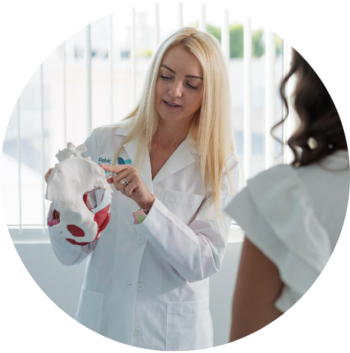
with exert input from Dr. Amro Elfeky, Gyencologic Surgeon at PRM’s Center of Excellence in Dallas
Fibroids—non-cancerous growths in or on the uterus—are incredibly common, especially during the reproductive years. For some people, they cause no issues, while for others, they can lead to symptoms like heavy bleeding, pelvic pressure, or pain. Surgical treatment, such as myomectomy (removal of fibroids while preserving the uterus) or hysterectomy (removal of the uterus), can offer relief. But many patients understandably wonder: Can fibroids come back after surgery? And if so, what can be done to prevent that from happening again?
We asked Amro Elfely, MD, an esteemed gynecologic surgeon in Texas, to get clear answers to the most common questions about fibroid recurrence and non-surgical management options.
Can Fibroids Grow Back After Treatment?
Yes, fibroids can grow back after treatment, particularly after a myomectomy. Recurrence varies widely depending on the individual. In fact, even within the same person, different fibroids can grow or behave differently. This is why long-term monitoring and follow-up are so important.
What Factors Increase the Risk of Fibroids Coming Back After Surgery?
Certain factors may increase the risk of recurrence after fibroid surgery. These include:
- Age (younger patients are more likely to develop new fibroids over time)
- Number of fibroids present at the time of surgery
- Type and location of fibroids
Patients who have a higher number of fibroids or certain types (such as intramural or submucosal) may be more prone to recurrence.
Does the Type of Surgery Affect the Risk of Fibroid Recurrence?
Yes. The type of surgery significantly affects the likelihood of fibroids returning:
- Myomectomy removes fibroids but leaves the uterus intact. This means new fibroids can still develop, and the risk of recurrence is much higher compared to hysterectomy.
- Hysterectomy removes the entire uterus, which eliminates the possibility of uterine fibroids returning. That said, in very rare cases, extrauterine fibroids—fibroid-like growths outside the uterus—can still occur post-hysterectomy.
Can Lifestyle Changes Help Prevent Fibroids from Coming Back?
While fibroid development is not fully understood, lifestyle choices may play a role in reducing the risk of recurrence. Helpful strategies include:
- Eating a balanced diet low in red meat, alcohol, and caffeine
- Incorporating regular exercise
- Managing stress levels
- Ensuring adequate vitamin D levels (through sunlight or supplements)
While these changes won’t guarantee fibroids won’t return, they support overall hormonal balance and uterine health.
Are There Medical Options to Prevent Fibroid Recurrence?
Yes. In addition to lifestyle changes, medical management may help reduce the chance of symptom recurrence or the need for repeat surgery. These include:
- Hormonal treatments such as:
- Birth control pills
- Progesterone (oral, injectable, subcutaneous implants, or IUDs)
- Non-hormonal medications like tranexamic acid, which can help reduce heavy menstrual bleeding
Your doctor can help tailor a long-term plan based on your symptoms, future fertility goals, and medical history.
Does Menopause Stop Fibroid Symptoms?
In many cases, yes. Fibroids are sensitive to estrogen, so as estrogen levels decline during menopause, fibroids often shrink and symptoms such as heavy bleeding and pelvic pressure improve or resolve entirely. While this is good news for many, patients experiencing significant symptoms before menopause may still benefit from treatment before they reach that stage of life.
What If Fibroids Come Back and I Don’t Want More Surgery?
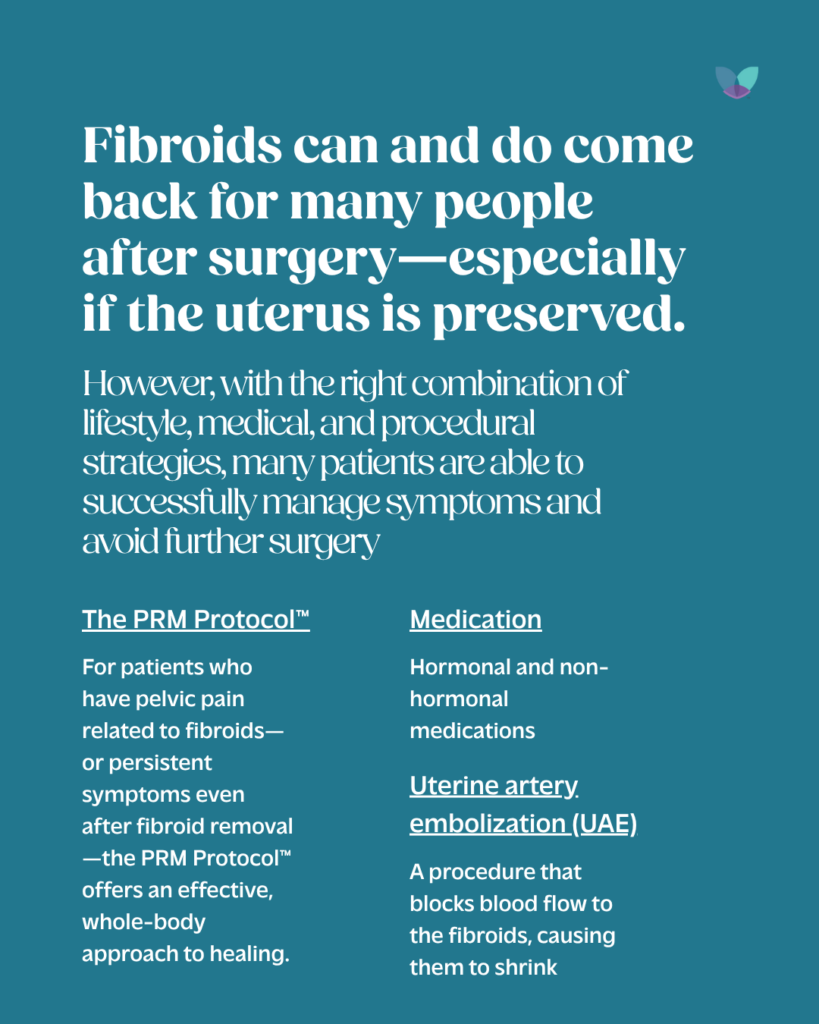
If fibroids return after surgery and you want to avoid another procedure, non-surgical options are available. These may include:
- Hormonal and non-hormonal medications
- Uterine artery embolization (UAE), a procedure that blocks blood flow to the fibroids, causing them to shrink
- The PRM Protocol™: For patients who have pelvic pain related to fibroids—or persistent symptoms even after fibroid removal—the PRM Protocol™ offers an effective, whole-body approach to healing.
A gynecologic surgeon or fibroid specialist can help determine which approach is best for your situation.
Conclusion on Recurrence of Fibroids
Fibroids can and do come back for many people after surgery—especially if the uterus is preserved. However, with the right combination of lifestyle, medical, and procedural strategies, many patients are able to successfully manage symptoms and avoid further surgery.
If you’ve had fibroid surgery and are concerned about recurrence, or if you’re exploring treatment options for the first time, consider speaking with a gynecologic expert who can help you develop a personalized care plan that works for your body and goals.