If you’ve been told you have fibroids, understanding your treatment options can feel overwhelming. With insight from Dr. Touchan, our gynecologic surgeon in the tri-state area specializing in fibroid care, we break down what a myomectomy is, how it differs from a hysterectomy, and what you can expect before, during, and after surgery.
Myomectomy vs. Hysterectomy: What’s the Difference?
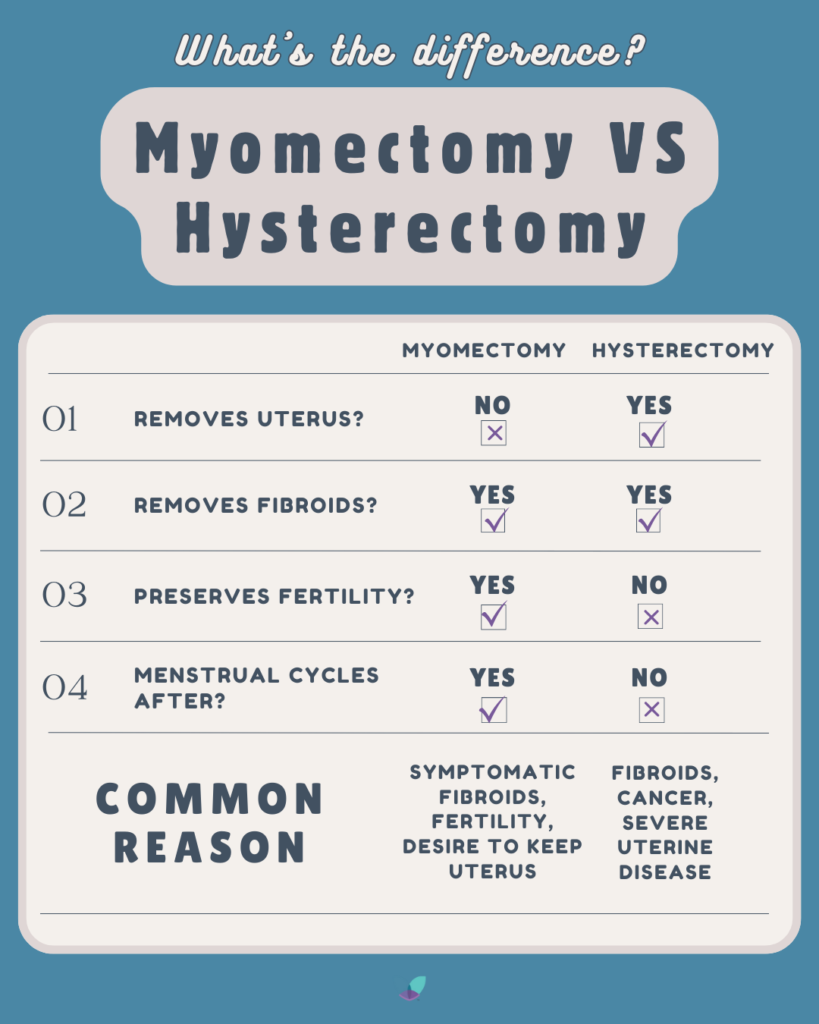
A myomectomy removes fibroids (benign growths in the uterus) but keeps the uterus in place. This is often the surgery of choice for people who want to preserve fertility or simply don’t want to remove their uterus.
A hysterectomy removes the entire uterus. For some patients, this is the best treatment option, especially when there are multiple health concerns, but it also means you won’t be able to carry a pregnancy.
Here’s a quick side-by-side look to make it simple:
Why Might Pelvic Pain Continue After a Myomectomy?
It can feel frustrating to still have pain after going through surgery, but you’re not alone—there are a few common reasons why this happens:
-
Healing takes time.
-
Soreness and discomfort are normal in the weeks and even months after surgery.
-
Scar tissue (adhesions) can form and cause pulling or aching.
-
Nerves may be irritated during surgery and need time to calm down.
-
-
Fibroids aren’t always the only culprit.
-
Conditions like endometriosis or adenomyosis can still cause pain.
-
Other issues, like bladder pain syndrome, IBS, or pelvic floor muscle tension, can mimic gynecologic pain.
-
-
Fibroids can come back.
-
A myomectomy removes existing fibroids, but it doesn’t prevent new ones from growing in the future.
-
-
The body can stay “on alert.”
-
When you’ve lived with pelvic pain for a long time, the nervous system can become more sensitive. This is sometimes called central sensitization, and it can keep pain going even when the original problem is treated.
-
What’s “Normal” Pain After Surgery vs. When to Call Your Doctor
After surgery, it’s natural to wonder what’s typical healing pain and what may be a red flag. Here’s a simple guide:
Healing Pain
-
Slowly gets better with time
-
Achy, sore, or tight near your incision
-
Worse after being active but improves with rest, heat, or light medicine
-
Period cramps may feel a little stronger for the first couple of cycles, then ease up
Concerning Pain (Call your doctor if you notice these)
-
Sudden, severe pain after you were feeling better
-
Fever, chills, or foul-smelling discharge
-
Pain that worsens instead of improving
-
Pain that lingers for months and disrupts daily life
-
Changes with urination or bowel movements (blood, constipation, or new difficulty)
Ways to Help Manage Pain After a Myomectomy
The best approach is usually a mix of strategies—not relying on just one. Here are some tools that can help:
-
Medications: Tylenol, ibuprofen, or short-term prescription pain relief
-
Comfort measures: Heating pads, ice packs (for the first 48 hours), abdominal binders, and gentle movement
-
Body support: Pelvic floor physical therapy, stretching, breathing exercises
-
Mind-body care: Relaxation techniques, mindfulness, light distractions like music or reading, and prioritizing good sleep
Pro tip: Don’t push yourself too hard too soon, listen to your body and ease back into activity.
Can Pain Come Back Months or Years Later?
Unfortunately, yes, sometimes pelvic pain shows up again after a myomectomy. Reasons can include:
-
Fibroids growing back (15–30% of patients develop new ones within 5 years)
-
Adhesions (scar tissue from surgery)
-
Adenomyosis or endometriosis that wasn’t treated during surgery
-
Ovarian cysts, hormonal changes, or other gynecologic conditions
-
Non-gynecologic issues like bladder pain syndrome, IBS, or musculoskeletal pain
Final Thoughts
A myomectomy can make a huge difference in quality of life, especially if fibroids have been causing heavy periods, pelvic pressure, or fertility struggles. But it’s not always a “one and done” surgery. Recovery takes patience, and sometimes pelvic pain has more than one cause.
The most important thing to remember: you don’t have to navigate recovery or ongoing pain alone. If something doesn’t feel right, or if pain keeps disrupting your life, reach out to your care team for support and answers.