Pain During Intimacy Is Not Normal: Expert Insight from Dr. Touchan on Dyspareunia, Endometriosis & Pelvic Nerve Pain
Pain during intimacy is one of the most common, and most dismissed, symptoms in women’s health.
According to Dr. Touchan, a minimally invasive gynecologic surgeon specializing in pelvic pain and endometriosis care, pain with intercourse is not something patients should “learn to live with.” If sex hurts, if penetration causes deep pelvic pain, or if intimacy creates fear instead of connection, that is a medical symptom that deserves evaluation.
In this educational discussion, Dr. Touchan explains why pain during intimacy happens, what it may indicate, and when it’s time to seek specialized care.
What Is Dyspareunia?
Dyspareunia is the medical term for persistent or recurrent pain during sexual intercourse.
It may present as:
-
Superficial pain at the vaginal opening
-
Deep pelvic pain with penetration
-
Positional pain during intimacy
-
Burning, aching, sharp, or radiating discomfort
Deep pain during intercourse is often associated with underlying pelvic disease — especially when it continues over time.
What Pain During Intimacy Can Indicate
Dr. Touchan emphasizes that painful intercourse is frequently minimized with suggestions like:
-
“Just relax.”
-
“Use more lubrication.”
-
“It’s anxiety.”
-
“That’s normal after childbirth.”
-
“You only need pelvic floor therapy.”
While lubrication or physical therapy can be helpful in certain cases, they are sometimes used in place of investigating deeper causes — which can delay diagnosis for years.
Some of the most common underlying causes of dyspareunia include:
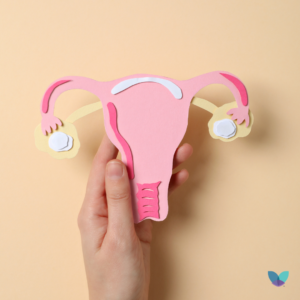
Endometriosis
Especially deep infiltrating endometriosis, which can involve:
-
Uterosacral ligaments
-
The posterior cul-de-sac
-
Nerve-rich pelvic structures
This type of disease often causes deep, positional pain during intercourse.
Adenomyosis
A condition where endometrial-like tissue grows within the uterine muscle wall, leading to:
-
Deep pelvic pressure
-
Pain with penetration
-
Heavy or painful menstrual cycles
Pelvic Floor Spasm
Chronic inflammation or nerve irritation can lead to protective muscle guarding, which contributes to pain during intimacy.
Pelvic Nerve Entrapment
Pelvic nerves may become irritated or compressed due to:
-
Endometriosis
-
Inflammation
-
Prior surgery
-
Chronic muscular tension
Nerve-related pain is often described as burning, electric, or radiating, and may not appear on ultrasound or MRI.
Why Pain With Sex Is Frequently Dismissed
Dr. Touchan notes that one of the major challenges in diagnosing pelvic pain is that imaging studies can appear normal — even when significant disease is present.
Additionally, many women are conditioned to minimize pain, particularly when it involves sex. Over time, patients may stop bringing it up, internalize blame, or begin to question their own experience.
When symptoms are repeatedly dismissed without deeper evaluation, the delay can have long-term consequences — both physically and emotionally.
The Broader Impact of Painful Intimacy
Pain during intercourse does not stay confined to the bedroom.
It can affect:
-
Emotional connection
-
Relationships and marriages
-
Body image and self-esteem
-
Mental health
-
Trust in medical providers
Many patients blame themselves for something that is biological and treatable.
As Dr. Touchan explains, this pain is not psychological, it is often rooted in inflammation, structural disease, or nerve involvement.
When to Seek a Pelvic Pain Specialist
Dr. Touchan recommends evaluation by a pelvic pain or endometriosis specialist if:
-
Pain occurs with deep penetration
-
Pain persists despite pelvic floor therapy or hormonal treatment
-
Imaging appears “normal,” but symptoms continue
-
Intimacy causes fear or avoidance
-
Pain worsens over time
Standard gynecologic exams may not detect deep infiltrating endometriosis, adenomyosis, or nerve entrapment. Specialized training and experience are often required.
You Deserve Intimacy Without Pain
Pain during intimacy is not normal.
It is not something to endure.
It is not something to blame on anxiety.
It is not something you caused.
According to Dr. Touchan, pain that affects intimacy is your body communicating — not malfunctioning.
At Pelvic Rehabilitation Medicine, pelvic nerve involvement, endometriosis, adenomyosis, and musculoskeletal factors are evaluated as part of a comprehensive pelvic pain workup, so treatment addresses the root cause rather than masking symptoms.
You deserve to be believed.
You deserve answers.
And you deserve intimacy without pain.