Symptoms of pelvic pain can look different for everyone.

Understanding Pelvic Pain Starts With the Right Evaluation

Many patients live with chronic pelvic pain symptoms or pelvic pain that won’t go away for years before finding the cause. Our team specializes in evaluating complex pelvic pain and conditions affecting pelvic health, helping patients understand the underlying cause of their pain and how best to treat it.

Common causes of pelvic pain

Pelvic pain can be linked to a variety of gynecologic conditions. PRM evaluates and treats common causes of chronic pelvic pain, including:

Endometriosis

A leading cause of chronic pelvic pain

Adenomyosis

Associated with heavy bleeding and pelvic pain

PCOS

Hormonal imbalances that may contribute to pelvic symptoms

Vulvodynia

Chronic vulvar pain and discomfort

Vaginismus

Pain associated with involuntary vaginal muscle tightening

Pudendal Neuralgia

Chronic pelvic nerve pain

Dyspareunia

Pain during intercourse

Dysmenorrhea

Painful menstrual cramps

Pelvic Floor Dysfunction

Dysfunction of the pelvic floor muscles

The PRM Difference

What we offer at PRM is our proprietary, patented, in-office, ultrasound-guided approach to the pelvis. This new patient evaluation, or consult, is an explanation of what our treatment is but unlike healthcare experiences you may have had in the past for your pelvic pain – our goal is for you to leave with treatment. We’re not going to bring you back repeatedly with no results.

Our goal is to get you started on your journey to healing and feeling better today. We know from our data that time is what makes this more difficult for our patients and so our goal is to get you started right away.

  • icon

    Step One: You’ll meet with one of our pelvic pain specialists, who focuses solely on pelvic pain. We’ll start by reviewing your full health history, including a discussion of your symptoms. This will help us to understand what you’ve been experiencing, so we can work to identify the source of your pain.

  • icon

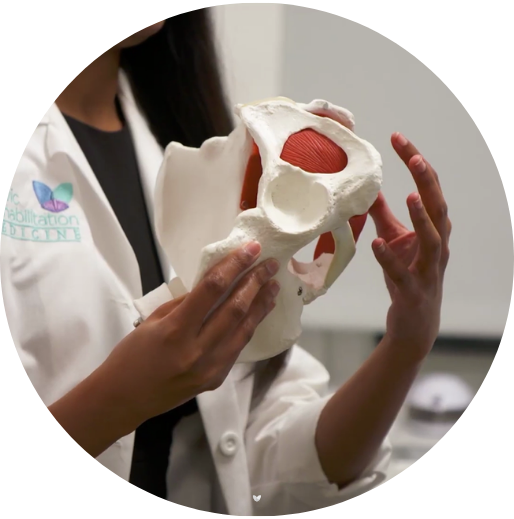
    Step Two: Next, we’ll conduct a full pelvic exam. Externally, we will examine your hips, abdomen, and posterior sacrum. Internally, we will evaluate the nerves and the muscles within the pelvic area. This full exam is necessary, as it will help our pelvic pain specialists understand the connection between your symptoms, and your nerve and muscle pain and dysfunction. There is no speculum, so the exam is gentle and more comfortable than that of, for example, gynecological exams you may have experienced in the past.

  • icon

    Step Three: We will discuss our findings with you and come up with a comprehensive treatment plan TOGETHER. We want you to know that your pain is validated and that we are here to work with you on getting you back to the life you deserve


PRM Provides Data-Backed Results

Our data proves not only the efficacy of our treatment but shows that patients see exceptional outcomes.

96%

Reduction in ER Visits

88%

Patients Stated They Missed 0 Days of Work or School Due to their Pain

75%

PRM Patients Note a Statistically Significant Improvement in Pain and Function

68%

Reduction in Opioid Use

Step One: This takes place before treatment. Know that your preparation is minimal. Your specialist will have provided you with an anti-inflammatory medication beforehand, a NASID, which you can take 2-3 hours before.
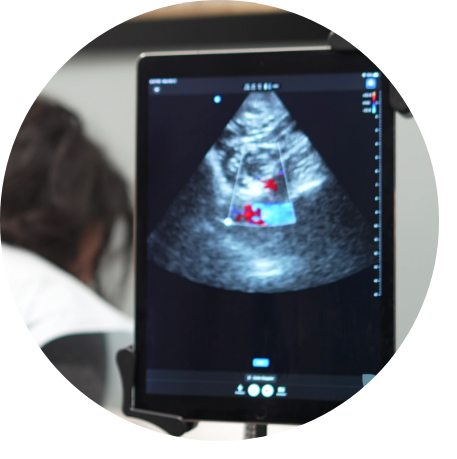
Step Two: The treatment appointment is 30 minutes and it is office-based – it takes about 15 minutes for treatment. Your pelvic pain specialist will use an ultrasound to perform the treatment.
Step Three: After your first treatment, our team will follow up in 24-48 hours to see how you are feeling and if you need any assistance from us.
Step Four: Patients should be aware that the PRM Protocol™ is a series 6 of ultrasound-guided treatments.

What is the PRM Protocol™?

How It Works

At PRM, we want patients to know that pain is never normal. You deserve to be heard and you deserve your pain to be taken seriously and to be healed. Our treatment, The PRM Protocol™, was developed specifically with that in mind. This treatment is a proprietary, patented, simple, office-based procedure to treat the symptoms of chronic abdominal pelvic pain by a direct treatment of inflamed pelvic nerves and spastic pelvic muscles which are often the root cause of symptoms.

At your treatment appointment with us (which may even be at your new patient visit!), you can expect to see one of our Pelvic Pain Specialists who focus solely on pelvic pain.

Take our quiz

Is The PRM Protcol Right For You?

How Our Protocol Effectively Treats Pain

Understanding The PRM Protocol™

The PRM Protocol™ is a proprietary, patented, simple, office-based procedure to treat the symptoms of chronic abdominal pelvic pain by a direct treatment of inflamed pelvic nerves and spastic pelvic muscles which are often the root cause of symptoms.

The PRM Protocol™ treats pelvic pain by:

  • Reversing the inflammatory cascade caused by chronic pain conditions
  • Resetting the pelvic environment for pain-free living
  • Retraining the pelvic floor nerves and muscles for optimal functionality

Access to Care for Pelvic Pain Patients

We Provide In-Network & Out-of-Network Options for Patients

At Pelvic Rehabilitation Medicine, we are on a mission to provide access to care to every patient. We believe the cost of comprehensive care should not be a burden for patients seeking diagnosis and treatment that ensures a full and complete, pain-free life. Learn more about our insurance coverage.
slide logo
slide logo
slide logo
slide logo
slide logo
slide logo
slide logo
slide logo
slide logo

Leaders in Pelvic Pain

Our specialists understand that chronic pelvic pain can be frustrating and often misunderstood. We focus on listening first, helping you understand what may be causing your pain, and guiding you toward the next step in care that feels right for you.

The Only Way to Treat Pelvic Pain is Here

It’s time to change what going to the doctor for pelvic pain is like. It’s time to talk about it. The stigma ends the moment you reach out to us for pelvic pain help. PRM is here for you.