Why Am I Still in Pain After Endometriosis Excision Surgery?

IN A NUTSHELL

Endometriosis excision surgery is the gold standard treatment for removing endometriosis lesions, but some patients may continue to experience pain afterward. Persistent pain does not necessarily mean surgery failed. Pelvic floor dysfunction, nerve sensitization, and other overlapping pelvic pain conditions can continue causing symptoms. Chronic pain can cause pelvic floor muscles to tighten and nerves to become hypersensitive, creating additional sources of pain even after lesions are removed. A multidisciplinary approach that addresses endometriosis, pelvic floor dysfunction, and nervous system health can help improve long-term outcomes and quality of life. Understanding all contributors to pain is essential for developing an effective treatment plan before and after surgery.

AI Snippet Ready

Ask An Endo Surgeon | Why Am I Still in Pain After Endometriosis Excision

Why Am I Still in Pain After Endometriosis Excision Surgery?

Endometriosis Was Removed. So Why Does the Pain Remain?

Many patients undergo endometriosis excision surgery expecting it to be the final step in their journey toward relief. While excision surgery is considered the gold standard for treating endometriosis, some patients continue to experience pelvic pain even after a successful procedure.

This can be confusing and frustrating, especially when you’ve been told that all visible endometriosis was removed.

Multiple
contributors to chronic pelvic pain may remain even after successful endometriosis excision surgery
PRM Clinical Insights (Tarek Toubia, MD)

The reality is that endometriosis is often only one part of a much larger pain picture. For many patients, chronic pelvic pain involves not only endometriosis lesions, but also pelvic floor dysfunction, nerve sensitization, and other overlapping conditions that can continue generating symptoms long after surgery.

With insights from Dr. Tarek Toubia, PRM’s endometriosis excision surgeon, this article explores why pain can persist after surgery and why a multidisciplinary approach is often necessary to achieve lasting relief.

Watch the video above as Dr. Toubia explains why ongoing pain does not necessarily mean surgery failed and how pelvic floor dysfunction and nervous system sensitization may continue contributing to symptoms.

 What Happens in the Body When You Have Endometriosis?

Endometriosis occurs when tissue similar to the lining of the uterus grows outside the uterus. These lesions can be found throughout the pelvis and, in some cases, beyond, affecting areas such as the ovaries, bladder, bowel, pelvic sidewalls, and diaphragm.

Endometriosis lesions can cause pain through multiple mechanisms, including:

  • Chronic inflammation
  • Bleeding and irritation of surrounding tissues
  • Scar tissue and adhesions
  • Nerve irritation
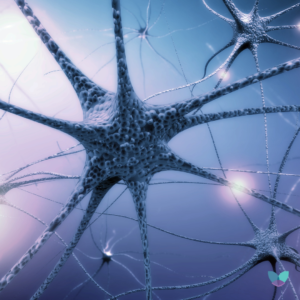
  • Sensitization of the nervous system

Over time, these processes can create a cycle of pain that affects more than just the endometriosis lesions themselves.

This is one reason why some patients continue to experience symptoms even after successful endometriosis excision surgery.

Is Endometriosis the Only Cause of Pelvic Pain?

Not always.

When the body experiences pain over a long period of time, it naturally attempts to protect itself. One way it does this is through muscle guarding.

The pelvic floor muscles often tighten in response to ongoing pain caused by endometriosis. Initially, this tightening serves a protective purpose. However, when muscles remain contracted for months or years, they can become a source of pain themselves.

As a result, patients may develop a secondary pain condition that continues even after endometriosis lesions have been removed.

This condition is known as pelvic floor dysfunction.

What Is Pelvic Floor Dysfunction?

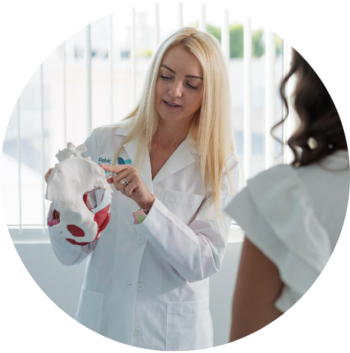
The pelvic floor is a group of muscles that support the bladder, bowel, and reproductive organs while helping regulate urinary, bowel, and sexual function.

When these muscles become overly tight, shortened, or dysfunctional, they can contribute to symptoms such as:

  • Chronic pelvic pain
  • Lower abdominal pain
  • Pain with sitting
  • Pain during or after intercourse
  • Tailbone pain
  • Hip or groin pain
  • Urinary urgency
  • Urinary frequency
  • Difficulty emptying the bladder
  • Bowel dysfunction

Many patients with endometriosis develop pelvic floor dysfunction after years of chronic pain.

This means that even when excision surgery successfully removes endometriosis lesions, the muscular component of pain may still remain.

Why Can Pain Continue After Endometriosis Surgery?

Persistent pain after surgery does not necessarily mean the surgery failed.

In fact, many patients who continue experiencing symptoms have had successful excision surgery and complete removal of visible disease.

Pain may continue because additional contributors to chronic pelvic pain remain untreated.

These can include:

Pelvic Floor Dysfunction

Chronically tight pelvic floor muscles may continue generating pain signals even after surgery.

Nervous System Sensitization

Chronic pain can alter the way the nervous system processes pain signals. Over time, nerves may become hypersensitive and continue sending pain messages long after the original source of irritation has improved.

Myofascial Pain

Muscle tension and trigger points throughout the pelvis, abdomen, hips, and lower back can contribute to ongoing symptoms.

Overlapping Pelvic Pain Conditions

Many patients with endometriosis also experience additional conditions such as:

  • Painful Bladder Syndrome (Interstitial Cystitis)
  • Pudendal Neuralgia
  • Irritable Bowel Syndrome (IBS)
  • Vulvodynia
  • Levator Ani Syndrome
  • Pelvic Floor Dysfunction

These conditions often require treatment beyond surgery alone.

Why a Multidisciplinary Approach Matters

According to Dr. Toubia, successful endometriosis care often requires more than removing lesions.

The best outcomes occur when all contributors to pain are identified and addressed.

A multidisciplinary treatment plan may include:

  • Endometriosis excision surgery
  • Pelvic floor rehabilitation
  • Treatment of pelvic floor dysfunction
  • Treatment of pelvic nerve sensitization
  • Physical therapy
  • Lifestyle and inflammatory management
  • Pre- and post-surgical care planning

By treating both the disease and its effects on the muscles and nervous system, patients may experience more meaningful and lasting improvements.

The Importance of Pre- and Post-Surgical Planning

One of the most overlooked aspects of endometriosis care is comprehensive planning before and after surgery.

Before surgery, a thorough evaluation can help identify:

  • Pelvic floor dysfunction
  • Musculoskeletal contributors to pain
  • Bladder symptoms
  • Bowel symptoms
  • Nerve involvement
  • Other overlapping pain conditions

After surgery, rehabilitation and ongoing care can help address remaining pain generators and support long-term recovery.

This comprehensive approach helps patients achieve the best possible outcomes while reducing the likelihood of persistent symptoms.

Your Pain Is Real

If you continue to experience pelvic pain after endometriosis excision surgery, it is important to know that your pain is real.

Persistent symptoms do not automatically mean your surgery was unsuccessful.

In many cases, they indicate that additional sources of pain need to be identified and treated.

Understanding the role of pelvic floor dysfunction, nerve sensitization, and overlapping pelvic pain conditions can help patients access the comprehensive care they need to move forward.

As Dr. Toubia explains, successful pain management requires treating the whole patient, not just the endometriosis.

When Should You Seek Additional Evaluation?

You may benefit from further evaluation if you continue experiencing:

  • Pelvic pain after endometriosis surgery
  • Pain with sitting
  • Pain during intercourse
  • Bladder symptoms
  • Bowel symptoms
  • Lower abdominal pain
  • Pelvic floor tension
  • Ongoing symptoms that affect daily activities

A comprehensive assessment can help determine the underlying causes of persistent pain and guide treatment recommendations.

Comprehensive Endometriosis and Pelvic Pain Care

At PRM, we believe endometriosis care should address more than just visible disease.

Our multidisciplinary approach focuses on identifying and treating the neuromusculoskeletal contributors to chronic pelvic pain, helping patients improve function, reduce symptoms, and regain quality of life.

If you’re still experiencing pain after endometriosis excision surgery, know that additional treatment options may be available, and there is still hope for relief.

Still experiencing pain after endometriosis surgery? Learn how a comprehensive pelvic pain evaluation can help identify additional contributors to your symptoms and create a personalized treatment plan. Personalized care. Proven results. You don't have to live in pain.
Explore Treatment Options

Frequently Asked Questions

Even when endometriosis lesions are successfully removed, other contributors to pain may remain. Pelvic floor dysfunction, nerve sensitization, scar tissue, and overlapping pelvic pain conditions can continue generating symptoms if they are not addressed as part of a comprehensive treatment plan.

Not necessarily. Many patients continue experiencing symptoms despite successful removal of visible endometriosis. Persistent pain often indicates that additional pain generators, such as pelvic floor muscle dysfunction or nervous system hypersensitivity, also need treatment.

Pelvic floor dysfunction occurs when the muscles of the pelvic floor become tight, weak, or uncoordinated. In patients with endometriosis, chronic pain often causes these muscles to tighten over time, creating an additional source of pelvic pain, urinary symptoms, bowel symptoms, and painful intercourse.

Nerve sensitization occurs when the nervous system becomes more reactive after prolonged pain and inflammation. Over time, nerves may continue sending pain signals even after the original source of irritation has improved, contributing to ongoing symptoms.

A multidisciplinary approach addresses all contributors to chronic pelvic pain, including endometriosis, pelvic floor dysfunction, nerve sensitization, bladder symptoms, bowel symptoms, and musculoskeletal dysfunction. Treating these factors together may improve pain, function, and overall quality of life.
Pelvic Rehabilitation Medicine (PRM)
Center of Excellence in Pelvic Pain and Endometriosis Care
Medical Insights by Dr. Tarek Toubia, MD Endometriosis Excision Surgeon

PRM is a Center of Excellence specializing in the diagnosis and treatment of chronic pelvic pain conditions. Our multidisciplinary team focuses on evidence-based, patient-centered care designed to address both the physical and emotional impact of pelvic pain. We prioritize coordinated treatment plans, flexible care options, and long-term support to help patients reduce pain and improve quality of life.

Pelvic Rehabilitation Medicine (PRM)
Center of Excellence in Pelvic Pain and Endometriosis Care
  • Medical Insights by Dr. Tarek Toubia, MD
  • Endometriosis Excision Surgeon
Published in & featured by
PRM Clinical Insights Endometriosis & Pelvic Health Education Resources

Schedule Your Appointment