Pelvic Health in College: Endometriosis, PCOS & Pelvic Pain

College life shouldn't revolve around pelvic pain, but for many students, missed classes, canceled plans, and constant pain medication become normal. Pelvic pain can have many causes, including endometriosis, PCOS, and pelvic floor dysfunction, and it shouldn't automatically be chalked up to "just a bad period." Endometriosis symptoms often start in the teens, meaning years can pass before a diagnosis. Tracking symptoms, being specific with a provider, and asking the right questions can help students get answers sooner instead of normalizing pain that deserves attention.
You’re in college. Your period shouldn’t be running your life.
College is a time of new experiences, new friendships, late nights, classes, and figuring out who you are.
But for some students, there’s another reality that doesn’t make it onto the syllabus: planning your life around pelvic pain.
Maybe you’ve missed class because your period was too painful to get out of bed. Maybe you’ve skipped social plans because of bloating or fatigue. Maybe you always carry pain medication in your backpack. Or maybe you’ve been told that painful periods are simply something you have to deal with.
They aren’t always.
Pelvic pain, painful periods, heavy bleeding, severe bloating, pain with sex, bowel or bladder symptoms, and other symptoms can sometimes be signs of an underlying pelvic health condition.
That’s why awareness starts on campus.
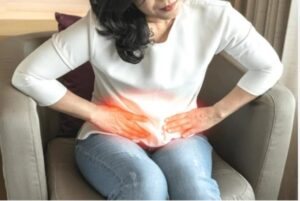
Pelvic pain is pain felt in the lower abdomen, pelvis, hips, lower back, or surrounding areas. It can be short-term or chronic and may occur during your period, with exercise, during sex, when using the bathroom, or even while sitting.
Pelvic pain can have many causes, including:
Because there are so many possible causes, pelvic pain shouldn’t automatically be attributed to your period.
Some cramping during menstruation can be common. But severe pain that interferes with your daily life deserves attention.
Consider talking with a healthcare provider if your period pain causes you to:
You don’t have to wait until the pain becomes unbearable to ask questions.
Endometriosis is a chronic condition in which tissue similar to the lining of the uterus grows outside the uterus. It can cause inflammation, pain, and scar tissue and may affect multiple areas of the pelvis.
Symptoms can include:
Endometriosis can begin during adolescence, meaning symptoms may be present years before someone receives a diagnosis.
If you’re a college student experiencing severe period pain or other persistent symptoms, learning about endometriosis can help you recognize when it’s worth seeking further evaluation.
Polycystic ovary syndrome (PCOS) is a hormonal and metabolic condition that can affect ovulation, menstrual cycles, androgen levels, and insulin sensitivity.
Common signs include:
Despite its name, you don’t need to have ovarian cysts to have PCOS.
PCOS also isn’t simply a reproductive condition. Its hormonal and metabolic effects can impact overall health.
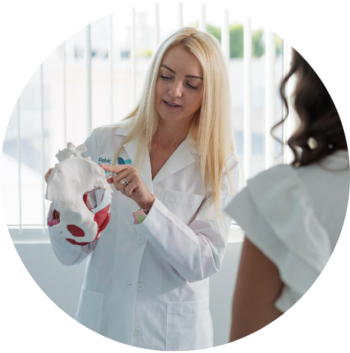
Your pelvic floor is a group of muscles that supports the bladder, bowel, and reproductive organs.
Those muscles can become too tight, weak, or poorly coordinated, potentially contributing to pelvic pain and other symptoms.
Pelvic floor dysfunction can sometimes cause:
Pelvic floor symptoms can overlap with other pelvic health conditions, which is why a thorough evaluation is important.
One of the biggest barriers to pelvic health care is normalization.
Students may hear:
“That’s just what periods are like.”
“You’re young. It can’t be serious.”
“It’s probably stress.”
“Everyone gets bloated.”
“Just take some Advil.”
Sometimes those explanations may be appropriate. But persistent, severe, or disruptive symptoms deserve a closer look.
You know your body.
If something is interfering with your ability to attend class, exercise, work, socialize, sleep, or simply enjoy your life, it’s okay to ask why.
You don’t need to know exactly what’s wrong before making an appointment.
Start by documenting what you’re experiencing.
Write down:
This information can help your healthcare provider understand the bigger picture. Not sure where to start? take our quick symptom quiz to see if it’s worth a closer look.
Instead of saying:
“My periods are bad.”
Try:
“During the first two days of my period, my pain is severe enough that I’ve missed class and can’t participate in normal activities.”
Specific examples help communicate the impact your symptoms are having on your life.
You can ask:
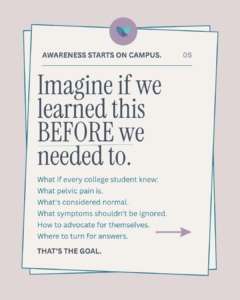
Pelvic health education shouldn’t begin after years of pain.
College students deserve to understand:
That’s the idea behind Awareness Starts on Campus.
At Pelvic Rehabilitation Medicine, we’re working to bring pelvic health education into college communities so students can recognize symptoms, understand their options, and feel empowered to seek answers.
Your pain deserves to be heard.
If pelvic pain, painful periods, or other symptoms are affecting your college experience, you don’t have to simply accept them as normal.
Learn more about pelvic health and explore our Awareness Starts on Campus resources.
Some cramping is common, but pain severe enough to make you miss class, cancel plans, or stay in bed is not something you have to accept as normal. It can be a sign of an underlying condition worth evaluating.
Common causes include endometriosis, pelvic floor dysfunction, fibroids, PCOS, adenomyosis, painful bladder conditions, and nerve-related pelvic pain. Because there are so many possible causes, pelvic pain shouldn’t be automatically attributed to your period.
Yes. Endometriosis symptoms often begin during adolescence, which means many people experience symptoms for years before receiving a diagnosis.
Write down when your pain occurs, where you feel it, how severe it is, how long it lasts, and whether it’s related to your cycle. Note any digestive, urinary, or sexual symptoms, medications you’ve tried, and how symptoms affect school, work, and daily activities.
You don’t need a diagnosis in mind before booking an appointment. Be specific about how symptoms affect your life, for example, “my pain is severe enough that I’ve missed class,” rather than general statements like “my periods are bad.”
If pelvic pain, painful periods, or related symptoms are interfering with class, work, sleep, exercise, or your social life, it’s worth talking to a specialist, even if you’re not sure exactly what’s causing it.