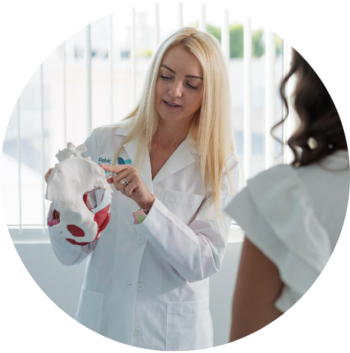
by Dr. Allyson Shrikhande, MD, Co-Founder and Chief Medical Officer

Why does endometriosis recur after excision surgery?
Endometriosis is a chronic disease process, therefore, at this point there is no definitive cure, even surgery.
How long does it take for endometriosis to grow back after excision surgery?
Every case of endometriosis is different, however, one study published in the American Journal of Obstetrics and Gynecology in 2006 noted the 4-year recurrence rate of endometriosis was 24.6%, 17.8%, 30.6% and 23.7%, respectively, for cases of ovarian, pelvic, deep, and ovarian and pelvic endometriosis.
What symptoms might signal that lesions have returned?
As endometriosis lesions can be located anywhere in the pelvis and also outside of the pelvis the symptoms can vary.
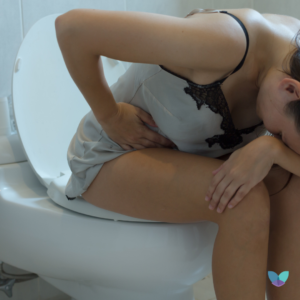
Common symptoms of recurring endometriosis could be:
- bladder pain or urgency
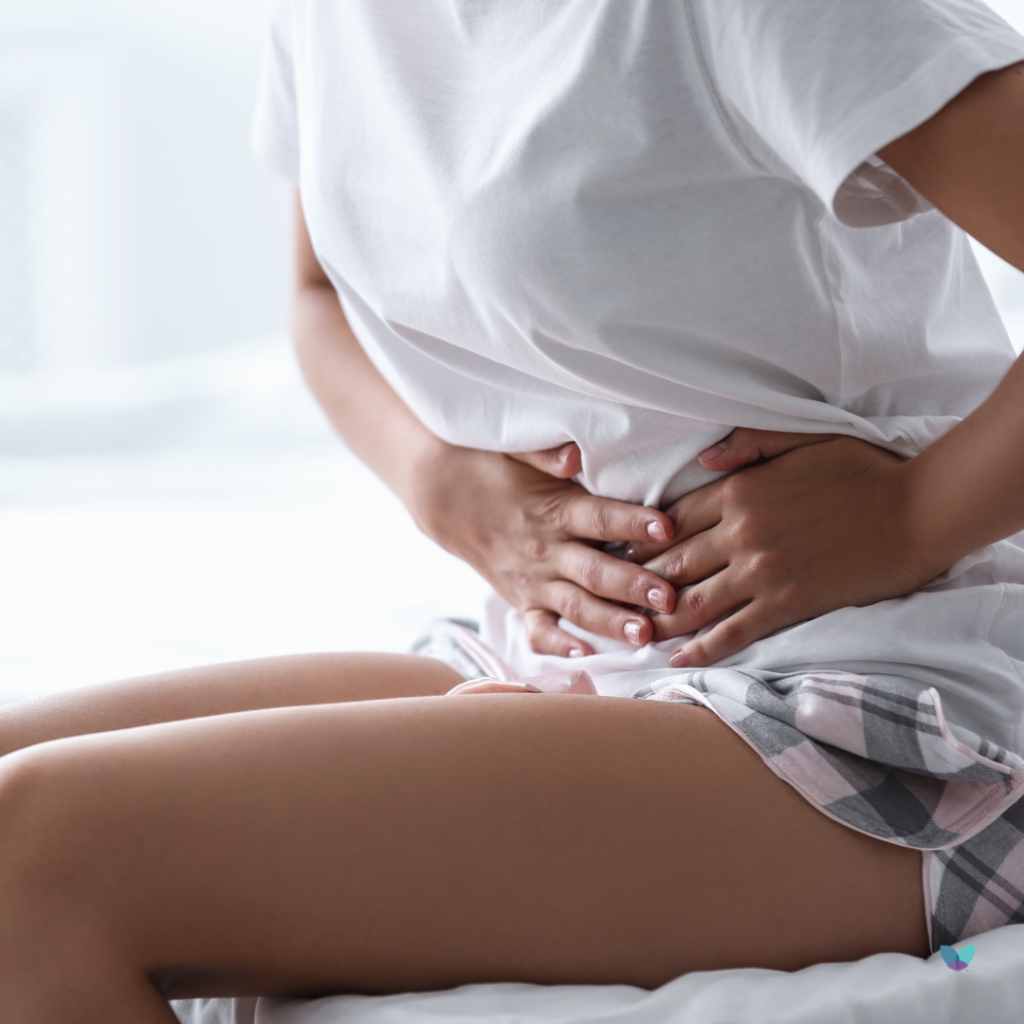
- lower abdominal pain or bloating
- pain with intercourse
- pain or discomfort with bowel movements
- bleeding with bowel movement during your menstrual cycle
- fatigue
Infertility is also a sign that endometriosis may have recurred.
Click here to schedule an appointment with an endometriosis specialist
Is there any connection between the recurrence of endometriosis and the surgeon who performed the excision?
The most important factor is to work with a surgeon who has spent extra time training in endometriosis surgery, beyond a standard OBGYN residency, and graduated from a fellowship focused on Endometriosis Excision surgery.
These are the surgeons who will have the skills necessary to remove the Endometriosis lesions.
Learn about excision surgery at Pelvic Rehabilitation Medicine
What lifestyle changes can help if endometriosis lesions return and cause symptoms?
Addressing the pelvic floor dysfunction that comes with endometriosis through the PRM Protocol™️ is important. This is crucial because:
1) It will oxygenate your pelvic floor nerves and muscles which will keep the inflammatory process in the pelvis at bay
2) Often patients think it is recurrence of their Endometriosis but it may just be the pelvic floor dysfunction creeping in causing the symptoms as the symptoms of pelvic floor pain and endometriosis are essentially the same and the pelvic floor pain can be treated with the office based PRM Protocol™️.
Sleep, exercise, mindfulness meditation with deep breathing, and eating an anti-inflammatory diet will also help decrease inflammation in the body and regulate your hormones.
Download PRM”s Anti-Inflammatory Cookbook
How does PRM help endometriosis patients manage recurrence?
By receiving treatment regularly through the PRM Protocol™️ to decrease inflammation in the pelvis, we can help our patients manage recurring endometriosis. As inflammation breeds endometriosis growth, we recommend undergoing the PRM Protocol™️ annually for endometriosis.