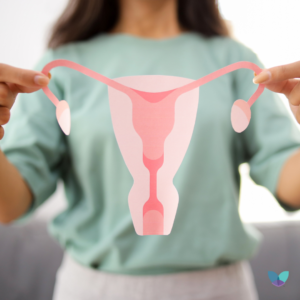
May is Pelvic Pain Awareness Month, and while pelvic pain is common, the underlying conditions are often misunderstood and can significantly impact a person’s quality of life. Pelvic pain refers to discomfort in the lower abdomen or pelvis, the area below the belly button and between the hips – at PRM we treat pain between the belly button and upper thigh. Pelvic pain can be sharp, dull, intermittent, or constant—and it can affect anyone, regardless of gender and age.

What are the symptoms of pelvic pain?
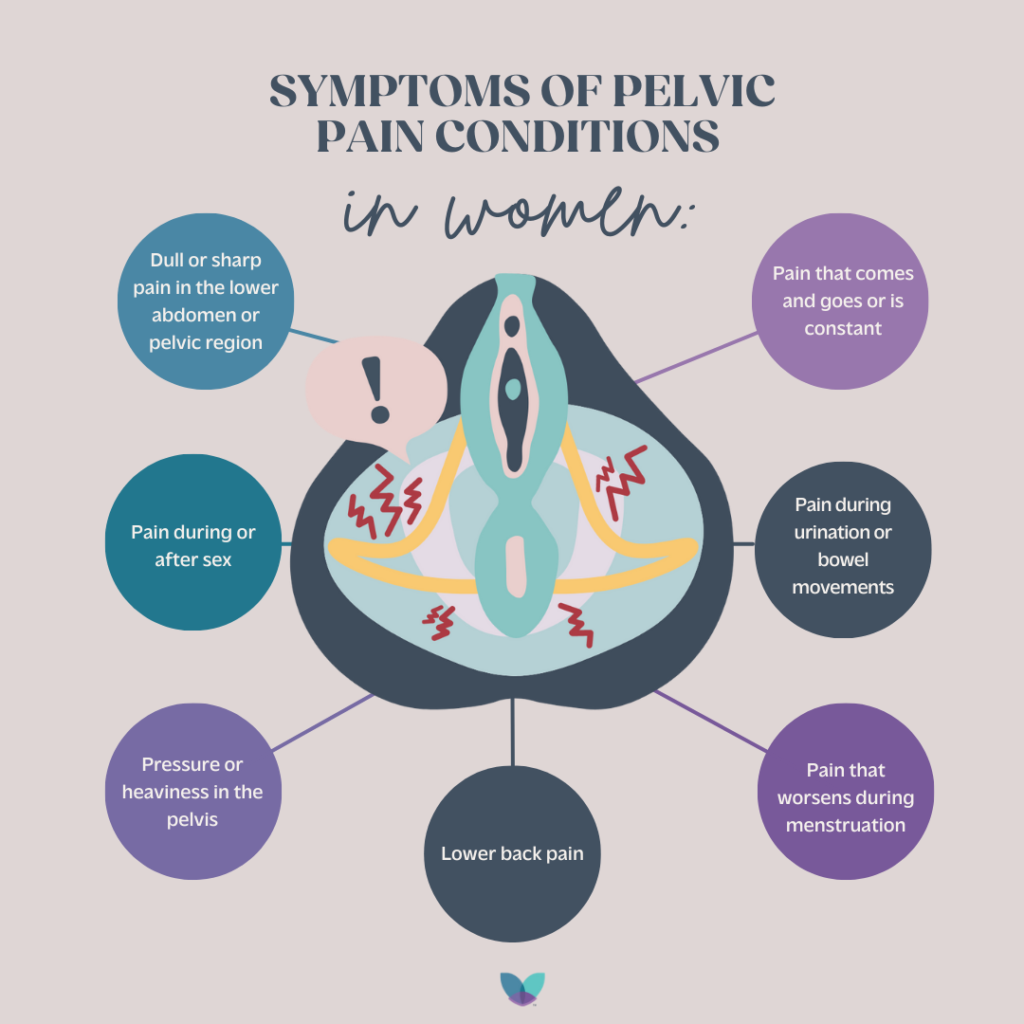
Pelvic pain symptoms vary depending on the underlying condition, but some of the most common symptoms include:
- Dull or sharp pain in the lower abdomen or pelvic region
- Pain that comes and goes or is constant
- Pain during or after sex
- Pain during urination or bowel movements
- Pressure or heaviness in the pelvis
- Lower back pain
- Pain that worsens during menstruation
- Discomfort while sitting for long periods
Many people also report pelvic floor dysfunction, which can involve muscle tightness, spasms, or weakness in the pelvic region.
Common Causes of Pelvic Pain in Women
Chronic pelvic pain in women can be caused by a range of gynecological, gastrointestinal, or urological conditions. Common conditions include:
- Endometriosis – when tissue similar to the uterine lining grows outside the uterus, causing inflammation, pain, and sometimes infertility.
- Adenomyosis – occurs when the tissue that normally lines the inside of your uterus (endometrial tissue) starts to grow into the muscle walls of the uterus. This can lead to an enlarged uterus and cause pain, bleeding, and other symptoms.
- Interstitial Cystitis (Bladder Pain Syndrome) – chronic bladder pressure and pelvic pain that can mimic a urinary tract infection.
- Ovarian cysts – fluid-filled sacs on the ovaries that may cause pain, especially if they rupture.
- Uterine Fibroids – noncancerous growths in the uterus that can lead to pelvic pressure or pain.
- Pelvic floor dysfunction – tight or uncoordinated pelvic floor muscles that cause pain and urinary or bowel issues.
- Irritable Bowel Syndrome (IBS) – a GI disorder that can cause abdominal cramping and pelvic discomfort.
Common Causes of Pelvic Pain in Men
While pelvic pain is more frequently discussed in women, men can also experience chronic pelvic pain due to a number of urological, musculoskeletal, or gastrointestinal issues:
- Chronic Prostatitis / Chronic Pelvic Pain Syndrome (CP/CPPS) – the most common cause of pelvic pain in men, often unrelated to infection.
- Inguinal hernia – occurs when tissue pushes through the abdominal wall, sometimes causing pain in the groin or pelvic area.
- Pelvic floor dysfunction – like in women, tight or dysfunctional pelvic floor muscles can lead to chronic pain, urinary urgency, and sexual dysfunction.
- Interstitial cystitis – though less common in men, bladder pain and urinary symptoms may still be present.
When Should You See a Doctor for Pelvic Pain?
If your pelvic pain lasts more than a few days, interferes with your daily life, or worsens over time, it’s important to schedule your appointment with a PRM pelvic pain specialist. Early diagnosis and treatment at PRM can help address the root cause and prevent long-term complications.
A pelvic pain specialist can help pinpoint the source through a comprehensive evaluation that includes reviewing your medical history, symptoms, physical examination, and imaging or lab tests if necessary.
Treatment Options for Pelvic Pain
No matter the cause of your pelvic pain and symptoms, PRM is dedicated to validating your pain and diagnosing your condition accurately. Depending on the cause of your symptoms, treatment for pelvic pain may include:
- The PRM Protocol™, PRM’s patented treatment that directly addresses inflammation of the nerves and spastic muscles of the pelvic floor
We believe in a holistic approach to treating pelvic pain, so our team may also recommend:
- Pelvic Floor Physical Therapy is recommended for PRM patients who are undergoing the PRM Protocol™
- Medication for pain, inflammation, or hormonal balance
- Lifestyle changes, including stress reduction, dietary adjustments, and posture correction
- Minimally invasive procedures such as laparoscopy for conditions like endometriosis
- Surgical options for severe cases of conditions such as adenomyosis
- Multidisciplinary care, which may involve other specialists in gynecology, urology, gastroenterology, and physical medicine
Living With Pelvic Pain
Chronic pelvic pain can be frustrating and isolating—but you’re not alone, and help is available with the pelvic pain specialists at PRM. Whether the pain stems from an inflammatory condition, nerve dysfunction, or tight and spastic muscles, identifying the right cause is the first step toward relief.
If you are experiencing any of the symptoms of pelvic pain, we strongly encourage you to schedule your consultation with a pelvic pain specialist at PRM. Find a location near you today.