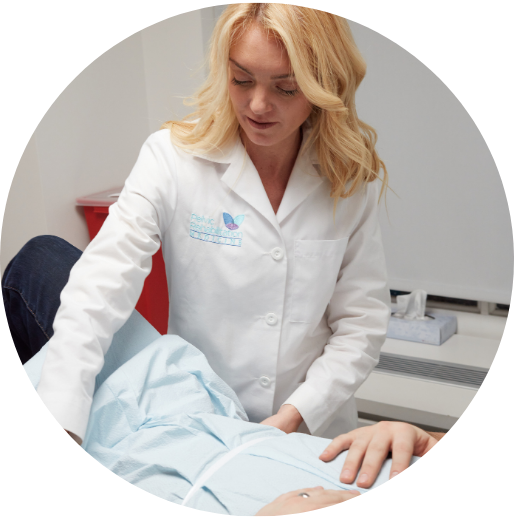
Dr. Ethan Goldstein is a board-certified obstetrician-gynecologist with nearly 20 years of experience specializing in complex pelvic pain and advanced endometriosis excision surgery. Dr. Ethan Goldstein operates at Corewell Health Beaumont Grosse Pointe Hospital, Corewell Health Beaumont University Hospital, Corewell Health Beaumont Troy Hospital, DMC Harper University Hospital/Hutzel Women’s Hospital and DMC Huron-Valley-Sinai Hospital in Troy, Michigan. He is known for his meticulous, anatomy-driven surgical approach and his commitment to treating endometriosis as a whole-body disease.
With a Master’s degree in Anatomy, Dr. Goldstein brings a high level of precision to minimally invasive and robotic-assisted surgery, enabling thorough excision of disease while preserving nerves and surrounding pelvic structures. He has performed more than 1,000 complex benign gynecologic surgeries, including advanced excision of deep and widespread endometriosis.
He believes optimal outcomes require more than surgery alone and emphasizes pre- and post-operative care to address pelvic floor dysfunction, inflammation, and long-term healing, aligning closely with the PRM Protocol™.
Above all, Dr. Goldstein prioritizes listening, partnership, and individualized care, helping patients feel informed, supported, and confident throughout their treatment journey.
Education
Doctor of Medicine (M.D.) | Wayne State University | Detroit, MI
August 1999 – June 2003
Residency in Obstetrics and Gynecology | William Beaumont Hospital | Royal Oak, MI
July 2003 – June 2007
Master of Science (M.S.) | Wayne State University | Detroit, MI
August 1996 – December 1998
Bachelor of Arts (B.A.) | Brandeis University | Waltham, MA
August 1992 – May 1996
Experience
Obstetrician / Gynecologist | Detroit Medical Center Medical Group (Tenet Physician
Resources) | Bloomfield Hills & Commerce Township, MI
Expert Medical Witness
Surgical Service, PLC (Consultant). Commerce Twp, MI
Director of GYN Robotics & Minimally Invasive Surgery Program | Huron
Valley-Sinai Hospital | Commerce, MI
Physician Speaker and Key Opinion Leader (KOL) | Cooper Surgical (Endosee)
Proctor and Speaker | Intuitive Surgical | Sunnyvale, CA
Obstetrician / Gynecologist, Outreach Program | William Beaumont Hospital | Royal
Oak, MI
Resident in Obstetrics and Gynecology | William Beaumont Hospital | Royal Oak, MI
Vocational Rehabilitation Instructor | Cassell and Associates | Farmington Hills, MI
My approach begins with listening. Endometriosis is a complex, whole-body disease, and patients often come to surgery after years of being unheard or undertreated. I take time to understand each patient’s symptoms, goals, prior treatments, and quality-of-life concerns before recommending any intervention.
My background includes a Master’s degree in Anatomy, which shaped how I think about pelvic pain, disease spread, and surgical planes. That foundation allows me to approach endometriosis excision with precision and respect for surrounding nerves, vessels, and pelvic structures. When surgery is indicated, I focus on complete excision of disease while minimizing tissue trauma, using advanced minimally invasive and robotic techniques.
Equally important, I believe surgery is only one part of care. Optimal outcomes require a thoughtful, multidisciplinary plan that supports patients before and after surgery so they can heal fully and regain function.
Because of this, it’s crucial to take the time to walk through what each treatment modality will be expected to target, and how I can most effectively use advanced minimally invasive surgery as a tool, alongside other therapeutic interventions, to further them on their path to recovery.
I also received focused training in reproductive surgery and fertility optimization to allow for a tailored approach in determining how best to treat endometriosis within a patient’s goals of care. What may be best for eradication of pain (complete excision/extirpative surgery), may not be best for fertility preservation. So again, the importance lies within understanding my patient’s experience and how we can work as a team to formulate the best care plan. I offer full spectrum excisional procedures with multidisciplinary involvement when indicated.
Too many endometriosis patients spend years navigating uncertainty, delayed diagnosis, and incomplete treatment. Decreasing the time patients suffer with pelvic pain means recognizing endometriosis earlier, validating patient experiences, and providing definitive, coordinated care rather than prolonged cycles of temporary fixes.
This mission strongly aligns with my practice philosophy. Endometriosis should not be managed reactively or in isolation. By combining accurate diagnosis, advanced surgical expertise, and structured perioperative care, we can shorten the path from suffering to meaningful improvement. For patients, that time matters—physically, emotionally, and personally.
Society has unfortunately perpetuated the idea that women’s health should be dealt with quietly and alone and PRM’s mission is to instead shed spotlight on pelvic pain and give women a starting point from which to reclaim ownership of their lives.
Excision surgery is most successful when the body is prepared to heal. Pre-habilitation helps reduce pelvic floor inflammation, improve mobility, and optimize tissue health before surgery, which can directly impact pain outcomes and recovery.
Post-habilitation is equally critical. Surgery removes disease, but it does not automatically reset muscle patterns, nerve sensitization, or inflammation. A structured post-operative approach allows patients to heal properly, regain function, and reduce the risk of persistent pain. The PRM Protocol™ provides a comprehensive framework that bridges surgery and long-term recovery, ensuring that surgical success translates into real-world improvement.
Complete excision of disease is the standard of care, but addressing the broader impact of endometriosis is equally essential for improving quality of life. Being able to offer the PRM Protocol™, for both pre and post-operative rehabilitation, helps to reverse the inflammatory cascade, reset the pelvic environment and retrain the pelvic floors nerves and muscles for optimal functionality. I find it to be the perfect adjunct for my surgeries and it sets my patients up for success during their recovery.
My career has been shaped by a deep interest in anatomy, technology, and complex benign gynecologic surgery. Earning a Master’s degree in Anatomy was foundational—it sharpened my understanding of pelvic structures and fueled my passion for surgical precision. That training naturally led me toward advanced minimally invasive and robotic surgery, where visualization and anatomic detail matter most.
I have extensive experience performing complex benign gynecologic procedures, including advanced endometriosis excision, using robotic and laparoscopic techniques. I am particularly focused on cases involving deep pelvic disease and patients with long-standing pain who require thoughtful, individualized surgical planning.
Above all, patients should know that I approach their care with respect, transparency, and a commitment to restoring quality of life – not just treating disease.
I have performed over 1,000 complex benign gynecologic surgeries to date. While practicing as a busy obstetrician and general gynecologist, I averaged 100–120 complex surgical cases annually, including advanced minimally invasive and robotic procedures.
I am now joining PRM to focus exclusively on the surgical management of endometriosis, allowing me to dedicate my full clinical attention to patients with complex pelvic pain and endometriosis-related disease.
Fertility preservation begins with careful preoperative planning and clear alignment with the patient’s reproductive goals. When fertility is desired, I use tissue-sparing surgical techniques, meticulous dissection, hemostasis and advanced minimally invasive approaches to preserve ovarian reserve, uterine integrity, and tubal function whenever possible.
My background in anatomy and precision surgery is particularly important in these cases, as it allows for accurate disease removal while protecting healthy reproductive structures. I also collaborate closely with fertility specialists when appropriate to ensure continuity of care before and after surgery.
I work closely with a reproductive endocrinologist to develop an optimized approach specific to each patient, with each surgery being tailored to the goals of the patient. It is possible to surgically excise endometriosis while preserving/optimizing reproductive capacity.
In addition to my surgical experience, patients should know that my career has been shaped by a deep commitment to anatomic precision, thoughtful use of technology, and individualized patient care. I hold a Master’s degree in Anatomy, which fundamentally influenced my approach to pelvic pain and complex surgery.
Over my nearly 20 years in practice, I have been drawn to advanced robotic and minimally invasive techniques because they allow for superior visualization and precision—critical elements in endometriosis excision. Over the years I have attended numerous advanced courses and workshops to provide my patients the best outcomes possible. My decision to join PRM reflects a desire to move away from fragmented care and instead provide focused, comprehensive surgical treatment for endometriosis patients who often have spent years seeking answers.
Most importantly, I value listening to patients and partnering with them in their care, with the goal of restoring function, reducing pain, and improving quality of life.
Byhoff, E., Hamati, M.C., Power, R.K., Burgard, S.A., & Chopra, V. Increasing Educational Attainment and Mortality Reduction: a Systematic Review and Taxonomy. BMC Public Health. 2017, Sep; 17(719): 1-9. Cited in PubMed; PMID: 28923038. Pub Status: Published.
Harris, J.A., Moniz, M.H., Lott, B., Power, R.K., & Griggs, J.J. Obesity and the Receipt of Influenza and Pneumococcal Vaccination: a Systematic Review and Meta-analysis. BMC Obesity. 2016, May; 3(24): 1-11. Cited in PubMed; PMID: 27200179. Pub Status: Published.
Schoenfeld, A.J., Wahlquist, T.C., Bono, C.M., Lehrich, J.L., Power, R.K., & Harris, M.B. Changes in the Care of Patients with Cervical Spine Fractures Following Health Reform in Massachusetts. Injury. 2015, Aug; 46(8): 1545-1550. Cited in PubMed; PMID: 26056035. Pub Status: Published.
Schoenfeld, A.J., Weaver, M.J., Power, R.K., & Harris, M.B. Does Health Reform Change Femoral Neck Fracture Care? A Natural Experiment in the State of Massachusetts. Journal of Orthopaedic Trauma. 2015, Nov; 29(11): 494-499. Cited in PubMed; PMID: 26492453. Pub Status: Published.
BOOK CHAPTERS
Zamah, A.M., Power, R., Longman, R.E., Abramowicz, J.S. (2023). Ultrasound and Infertility. In: Abramowicz, J.S., Longman, R.E. (eds) First-Trimester Ultrasound. Springer, Cham. https://doi.org/10.1007/978-3-031-24133-8_3
VIDEO ABSTRACTS
Lomboy J, Power R, Boren T. Approach to Retroperitoneal Dissection in the Morbidly
Obese Patient [Video submitted]. SGS 2025 Global Congress on MIGS.
Robyn K. Power, MD, Cory Messingschlager MD, Jacqueline Lomboy, DO, Robert Furr, MD, FACOG. Single Site Robotic Tubal Reanastomosis. AAGL SurgeryU. https://surgeryu.aagl.org/view?m=jwqffQKc6. Published on March 19, 2024
Robyn K. Power, MD, Cory Messingschlager MD. Pelvic Sidewall Excision of Endometriosis. AAGL SurgeryU. https://surgeryu.aagl.org/view?m=dLHYM2jgu. Published on Sep 29, 2023
Cory Messingschlager MD, Robyn K. Power, MD. The Presacral Neurectomy. AAGL SurgeryU. https://surgeryu.aagl.org/view?m=qHzU03g0T. Published on Sep 29, 2023
NATIONAL CONFERENCE PRESENTATIONS
PODIUM PRESENTATIONS
Robyn K. Power, M.D.; Megan Hanson B.S. M.B.A.; Amy Henderson Riley, DrPH; Laiquannah Hason B.S , M.A.; Laura Slifer, MPH; Bridget Huepfel, BA; Dana B. McQueen M.D. The Lived Experience of Recurrent Pregnancy Loss Assessed by Photo-elicitation Interview. ASRM 2022, Anaheim, CA, USA.
ABSTRACTS/POSTER PRESENTATIONS
Power, R MD., Wascher, J MD., Hughes, L MD., Boots, C MD., McQueen, D MD. Relationship between length of gonadotropin stimulation for in vitro fertilization (IVF) and embryonic aneuploidy of maternal origin. ASRM 2021. Baltimore, MA, USA.
Wascher, J. MD., Power, R MD., Hughes, L MD., Boots, C MD., McQueen, D MD. The Egg Factor: Does Maternal Age Impact the risk of Embryonic Aneuploidy of Paternal Chromosomes. ASRM 2021. Baltimore, MA, USA.
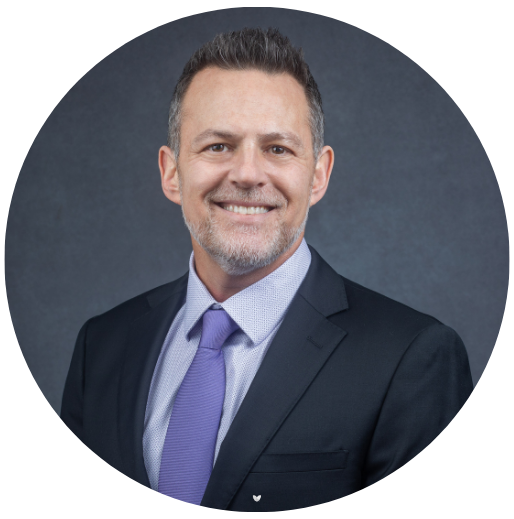
Prior to joining PRM’s Center of Excellence, Ethan Goldstein, MD completed his residency training in Obstetrics and Gynecology at William Beaumont Hospital and earned his medical degree from Wayne State University School of Medicine.
I had an excellent experience
. The staff was professional, friendly, and attentive from the moment I walked in. The facility was clean and well-organized, and I felt comfortable throughout my visit. The doctor took the time to listen to my concerns and provided clear, helpful advice. I truly appreciate the quality of care I received and would highly recommend to anyone looking for top-notch medical services!
Explore patient testimonials to learn more about outstanding care at PRM.
Experience compassionate care and expertise in pelvic rehabilitation with Pelvic Rehabilitation Medicine. Schedule your appointment today and take the first step towards better pelvic health.
Endometriosis excision surgery is an advanced minimally invasive procedure that involves carefully identifying and removing endometriosis lesions from affected areas while preserving healthy tissue. Unlike approaches that only treat visible disease on the surface, excision surgery focuses on removing endometriosis at its root to help reduce symptoms and improve quality of life. At PRM, fellowship-trained minimally invasive gynecologic surgeons use advanced laparoscopic techniques and comprehensive evaluation to develop individualized treatment plans based on each patient’s symptoms, goals, and disease severity.
Endometriosis surgery may be considered for patients whose symptoms are not adequately controlled with medications or hormonal treatments, whose pain significantly impacts daily life, or who are experiencing fertility challenges. Surgery may also be recommended when imaging or evaluation suggests deeper disease, such as endometriosis involving the bowel, bladder, or other pelvic structures. Common reasons to consider an endometriosis surgery consultation include persistent pelvic pain despite medical treatment, painful periods, painful intercourse, gastrointestinal or bladder symptoms, difficulty conceiving, or findings such as endometriomas or deep infiltrating endometriosis. During an evaluation at PRM, providers review your symptoms, medical history, imaging, and treatment goals to determine whether excision surgery is the right option for you and develop a personalized care plan.
During an endometriosis surgery consultation at PRM, patients can expect a comprehensive evaluation focused on understanding their symptoms, medical history, and treatment goals. The surgeon will review your experience with pelvic pain, painful periods, painful intercourse, bowel or bladder symptoms, previous diagnoses, and any prior treatments. The consultation may include a physical and pelvic exam to evaluate areas of tenderness, pelvic floor muscle dysfunction, scarring, or other findings that may contribute to symptoms. Additional imaging, such as specialized pelvic ultrasound or MRI, may be recommended to better understand the location and extent of endometriosis. Your surgeon will also discuss whether excision surgery is appropriate, explain the surgical approach, and review what to expect before, during, and after the procedure. PRM’s approach includes personalized pre- and post-operative care, which may involve pelvic rehabilitation, lifestyle strategies, and other treatments to support healing and long-term outcomes.
PRM’s endometriosis surgeons specialize in advanced laparoscopic excision surgery and care for patients through a fully integrated, multidisciplinary approach. Unlike a surgery only model, PRM combines surgical expertise with pelvic pain care to address the inflammation, nerve sensitivity, and pelvic floor dysfunction that can contribute to ongoing symptoms. PRM’s fellowship-trained Minimally Invasive Gynecologic Surgeons (MIGS) have specialized training in complex excision surgery and treat advanced endometriosis, including cases involving areas such as the bowel, bladder, and diaphragm. Their approach also includes comprehensive support before and after surgery, including pelvic rehabilitation through the PRM Protocol™ to help reduce pain, support healing, and improve long-term outcomes. PRM focuses on personalized, whole-body care designed to help patients achieve meaningful relief while reducing the need for repeated procedures. Providers also evaluate patients clinically based on symptoms, medical history, and physical examination, allowing treatment planning to begin without waiting for surgical confirmation.
Yes, endometriosis excision surgery can improve fertility for some patients by removing endometriosis lesions, treating scar tissue and adhesions, restoring normal pelvic anatomy, and reducing inflammation that may interfere with conception. The impact of surgery depends on factors such as the severity of endometriosis, age, ovarian reserve, and overall fertility health. For patients with mild to moderate endometriosis, removing visible disease may improve the chances of spontaneous pregnancy. In more advanced cases, surgery may help restore the relationship between the ovaries, fallopian tubes, and surrounding pelvic structures to support reproductive goals. At PRM, providers consider each patient’s fertility goals and individual circumstances when determining whether surgery is the right approach and how it fits into a broader fertility plan.
Recovery after endometriosis excision surgery varies depending on the extent of disease treated and each patient’s healing process. Many patients experience gradual improvement over the first several months rather than immediate relief. The first menstrual cycle after surgery (typically 4–8 weeks post-surgery) may be the most challenging, with some patients experiencing increased cramping, pelvic pain, or heavier bleeding as the body heals. By the second cycle, many patients begin noticing improvements, and within three to six months, patients often report reduced pain, improved energy, and better daily function. At PRM, recovery is supported through a comprehensive approach that combines surgical expertise with individualized follow-up care and additional treatments when needed to support long-term healing and quality of life.
Endometriosis excision surgery is an advanced minimally invasive procedure that involves carefully identifying and removing endometriosis lesions from affected areas while preserving healthy tissue. Unlike approaches that only treat visible disease on the surface, excision surgery focuses on removing endometriosis at its root to help reduce symptoms and improve quality of life. At PRM, fellowship-trained minimally invasive gynecologic surgeons use advanced laparoscopic techniques and comprehensive evaluation to develop individualized treatment plans based on each patient’s symptoms, goals, and disease severity.
Endometriosis surgery may be considered for patients whose symptoms are not adequately controlled with medications or hormonal treatments, whose pain significantly impacts daily life, or who are experiencing fertility challenges. Surgery may also be recommended when imaging or evaluation suggests deeper disease, such as endometriosis involving the bowel, bladder, or other pelvic structures. Common reasons to consider an endometriosis surgery consultation include persistent pelvic pain despite medical treatment, painful periods, painful intercourse, gastrointestinal or bladder symptoms, difficulty conceiving, or findings such as endometriomas or deep infiltrating endometriosis. During an evaluation at PRM, providers review your symptoms, medical history, imaging, and treatment goals to determine whether excision surgery is the right option for you and develop a personalized care plan.
During an endometriosis surgery consultation at PRM, patients can expect a comprehensive evaluation focused on understanding their symptoms, medical history, and treatment goals. The surgeon will review your experience with pelvic pain, painful periods, painful intercourse, bowel or bladder symptoms, previous diagnoses, and any prior treatments. The consultation may include a physical and pelvic exam to evaluate areas of tenderness, pelvic floor muscle dysfunction, scarring, or other findings that may contribute to symptoms. Additional imaging, such as specialized pelvic ultrasound or MRI, may be recommended to better understand the location and extent of endometriosis. Your surgeon will also discuss whether excision surgery is appropriate, explain the surgical approach, and review what to expect before, during, and after the procedure. PRM’s approach includes personalized pre- and post-operative care, which may involve pelvic rehabilitation, lifestyle strategies, and other treatments to support healing and long-term outcomes.
PRM’s endometriosis surgeons specialize in advanced laparoscopic excision surgery and care for patients through a fully integrated, multidisciplinary approach. Unlike a surgery only model, PRM combines surgical expertise with pelvic pain care to address the inflammation, nerve sensitivity, and pelvic floor dysfunction that can contribute to ongoing symptoms. PRM’s fellowship-trained Minimally Invasive Gynecologic Surgeons (MIGS) have specialized training in complex excision surgery and treat advanced endometriosis, including cases involving areas such as the bowel, bladder, and diaphragm. Their approach also includes comprehensive support before and after surgery, including pelvic rehabilitation through the PRM Protocol™ to help reduce pain, support healing, and improve long-term outcomes. PRM focuses on personalized, whole-body care designed to help patients achieve meaningful relief while reducing the need for repeated procedures. Providers also evaluate patients clinically based on symptoms, medical history, and physical examination, allowing treatment planning to begin without waiting for surgical confirmation.
Yes, endometriosis excision surgery can improve fertility for some patients by removing endometriosis lesions, treating scar tissue and adhesions, restoring normal pelvic anatomy, and reducing inflammation that may interfere with conception. The impact of surgery depends on factors such as the severity of endometriosis, age, ovarian reserve, and overall fertility health. For patients with mild to moderate endometriosis, removing visible disease may improve the chances of spontaneous pregnancy. In more advanced cases, surgery may help restore the relationship between the ovaries, fallopian tubes, and surrounding pelvic structures to support reproductive goals. At PRM, providers consider each patient’s fertility goals and individual circumstances when determining whether surgery is the right approach and how it fits into a broader fertility plan.
Recovery after endometriosis excision surgery varies depending on the extent of disease treated and each patient’s healing process. Many patients experience gradual improvement over the first several months rather than immediate relief. The first menstrual cycle after surgery (typically 4–8 weeks post-surgery) may be the most challenging, with some patients experiencing increased cramping, pelvic pain, or heavier bleeding as the body heals. By the second cycle, many patients begin noticing improvements, and within three to six months, patients often report reduced pain, improved energy, and better daily function. At PRM, recovery is supported through a comprehensive approach that combines surgical expertise with individualized follow-up care and additional treatments when needed to support long-term healing and quality of life.