Endometriosis is widely known as a condition that affects the pelvis, leading to chronic pelvic pain, menstrual irregularities, and infertility. But did you know that, in some patients, endometriosis can appear outside the pelvis, even in the chest, diaphragm, or lungs? This rare but medically recognized condition is called thoracic endometriosis, and it can cause symptoms that seem unrelated to menstrual cycles, making it challenging to diagnose.
What Is Thoracic Endometriosis?
Thoracic endometriosis occurs when endometrial-like tissue grows in or around the lungs, diaphragm, or chest cavity. Just like endometrial tissue in the pelvis, this tissue responds to hormonal cycles, which can lead to inflammation, bleeding, and irritation in these unusual locations.
Although rare, thoracic endometriosis can lead to serious complications if left untreated. Awareness and timely evaluation are critical to ensure proper care.
Symptoms to Watch For
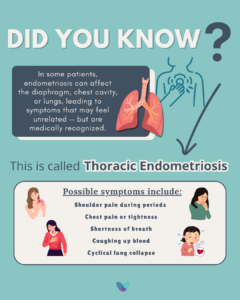
Patients with thoracic endometriosis may experience symptoms that seem unrelated to menstruation, including:
-
Shoulder pain during periods
-
Chest pain or tightness
-
Shortness of breath
-
Coughing up blood
-
Cyclical pneumothorax (lung collapse linked to menstrual cycles)
Because these symptoms are not typically associated with pelvic conditions, they are often misdiagnosed or dismissed. If you notice cyclical patterns of these symptoms related to your menstrual cycle, it’s important to seek evaluation from a specialist experienced in endometriosis.
How the PRM Protocol™ Supports Diagnosis and Care
At PRM, our integrated PRM Protocol takes a whole-person approach to endometriosis care. Even when symptoms appear outside the pelvis, our team:
-
Listens to patient experiences carefully — unusual symptoms are never dismissed.
-
Performs thorough evaluations — including imaging and diagnostic testing when indicated.
-
Collaborates across specialties — working with thoracic specialists, surgeons, and pelvic health providers to ensure comprehensive care.
-
Provides ongoing support — from pre-habilitation to post-operative rehabilitation, our protocol focuses on long-term symptom relief and quality of life.
By understanding that endometriosis can be systemic, PRM helps patients receive timely, accurate diagnoses and individualized treatment plans, reducing unnecessary delays and improving outcomes.
Takeaway
Endometriosis isn’t limited to the pelvis. Symptoms affecting the chest, diaphragm, or lungs may be connected to endometriosis and deserve evaluation. If you experience unusual period-related symptoms, trust your body and seek specialized care. Early recognition and the right treatment can make a meaningful difference in your health and well-being.