With expert input from Dr. Amro Elfeky, Gynecologic Surgeon and Endometriosis Excision Specialist at PRM in Dallas
Endometriosis is often associated with pelvic pain and reproductive challenges, but it can also affect organs outside the reproductive system—including the bowel. Bowel endometriosis is a complex and often misunderstood manifestation of the disease that can significantly impact a patient’s quality of life if left untreated.
We asked PRM Gynecologic Surgeon, Amro Elfeky, MD, to answer common questions and clarify what patients need to know about bowel endometriosis, from diagnosis to treatment and recovery.
What Is Bowel Endometriosis?
Bowel endometriosis occurs when endometrial-like tissue grows on or infiltrates the bowel wall. According to Dr. Elfeky, bowel involvement in endometriosis is more common than many think, occurring in 3–40% of patients with endometriosis.
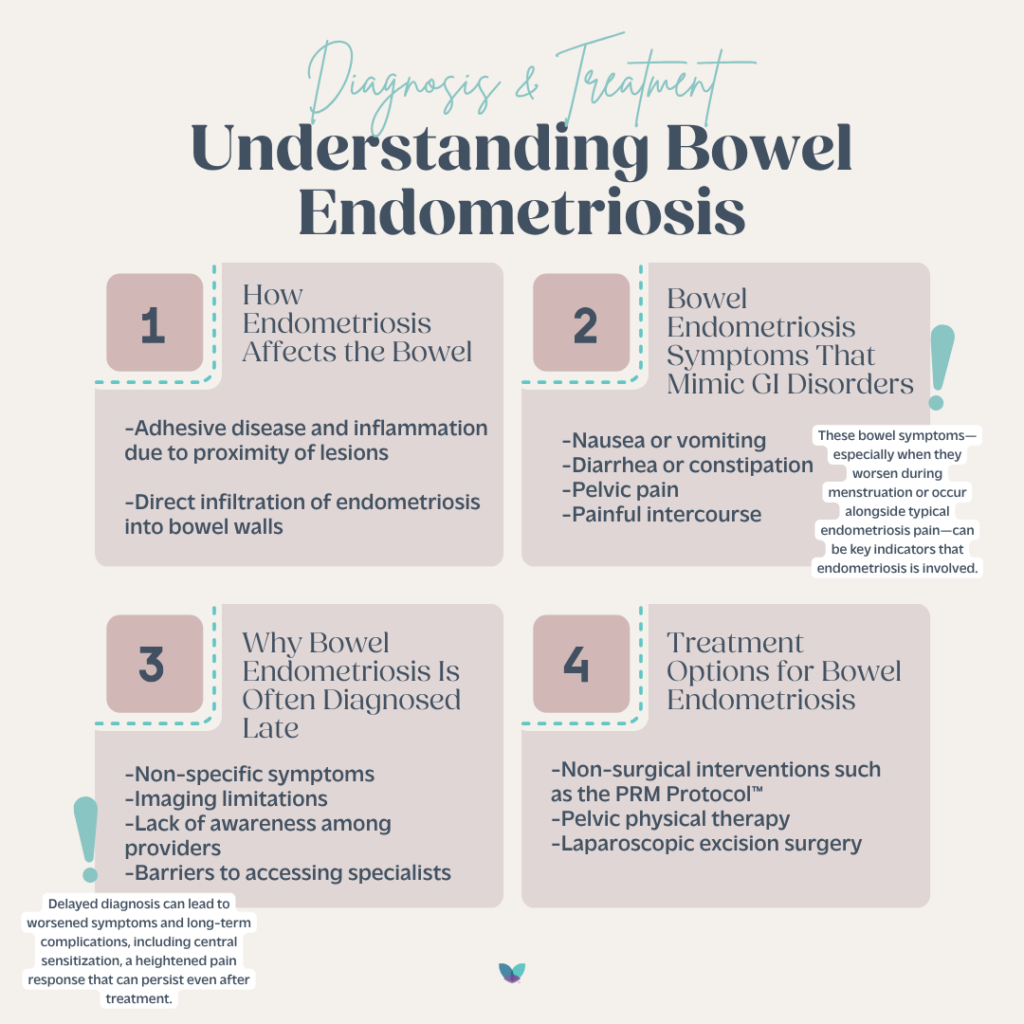
How Endometriosis Affects the Bowel
Endometriosis can affect the bowel in several ways:
- Adhesive disease and inflammation due to proximity of lesions
- Direct infiltration of endometriosis into bowel walls
The rectum and rectosigmoid colon are the most commonly affected areas.
Bowel Endometriosis Symptoms That Mimic GI Disorders
Bowel endometriosis symptoms often overlap with those of irritable bowel syndrome (IBS) and other GI conditions, making diagnosis difficult. Common symptoms include:
- Nausea or vomiting
- Diarrhea or constipation
- Pelvic pain
- Painful intercourse
These bowel symptoms—especially when they worsen during menstruation or occur alongside typical endometriosis pain—can be key indicators that endometriosis is involved.
Diagnosing Bowel Endometriosis: What Works and What Doesn’t
A combination of tools is used to identify bowel involvement:
- Physical examination
- Advanced imaging such as endometriosis-targeted ultrasound and MRI
- In some cases, colonoscopy
While imaging can help detect bowel endometriosis, surgical diagnosis remains the gold standard. “Negative imaging does not rule out disease,” Dr. Elfeky notes, highlighting the limitations of relying solely on scans.
Why Bowel Endometriosis Is Often Diagnosed Late
On average, patients experience a 5 to 15-year delay in receiving an endometriosis diagnosis. Contributing factors include:
- Non-specific symptoms
- Imaging limitations
- Lack of awareness among providers
- Barriers to accessing specialists
Delayed diagnosis can lead to worsened symptoms and long-term complications, including central sensitization, a heightened pain response that can persist even after treatment.
How to Advocate for Yourself
If you suspect your bowel symptoms are related to endometriosis, Dr. Elfeky recommends the following steps:
- Educate yourself on symptoms and patterns
- Ask for a referral to a center specializing in endometriosis, such as PRM
- Request imaging or surgical evaluation if symptoms persist
Treatment Options for Bowel Endometriosis
Management options include:
- Non-surgical interventions such as the PRM Protocol™
- Pelvic physical therapy
- Laparoscopic excision surgery
While non-surgical options can help alleviate symptoms, especially when disease is mild or superficial, surgery is often necessary for deeper or more extensive bowel involvement.
What to Know About Bowel Endometriosis Surgery
Surgical excision for bowel endometriosis requires:
- Detailed preoperative planning with imaging and bowel prep
- A multidisciplinary team, typically including both a gynecologic and colorectal surgeon
- A clear understanding of surgical strategies such as shaving, discoid excision, or bowel resection, depending on the extent of disease
“Having a surgeon experienced in bowel endometriosis is critical,” says Dr. Elfeky. This expertise helps ensure a precise and safe surgical plan, reducing the risk of complications.
Post-Surgical Recovery and Expectations
Recovery from bowel endometriosis surgery may involve:
- Extended healing time
- Close monitoring for complications
- Temporary dietary restrictions
Patients may also experience residual symptoms depending on the extent of the disease and surgical excision. It’s important to have realistic expectations and a long-term care plan.
Can Non-Surgical Treatment Help?
Yes—bowel symptoms may improve with pelvic floor therapy and medical management, especially in mild cases. These options are often pursued before deciding on surgery.
Why Early Treatment Matters
Waiting until symptoms become severe can mean:
- More extensive disease
- Higher risk of complications during surgery
- Longer recovery times
Early diagnosis and management can lead to better outcomes and improved quality of life.
Final Thoughts
Bowel endometriosis is a serious yet manageable condition when properly diagnosed and treated. If you’re experiencing persistent GI symptoms along with pelvic pain or other signs of endometriosis, trust your instincts. Seek specialized care, ask questions, and don’t accept dismissal of your symptoms.
For more information about advanced diagnosis and treatment options for bowel endometriosis, contact our team at PRM to schedule an endometriosis consultation—we’re here to help you find answers and relief.