For many patients living with endometriosis, excision surgery can be a life-changing step toward pain relief and restoring quality of life. But what happens after surgery? What should you expect during recovery?
Dr. Faraj Touchan, one of PRM’s gynecologic surgeons, shares an inside look at how recovery often unfolds in the first several months following excision surgery.
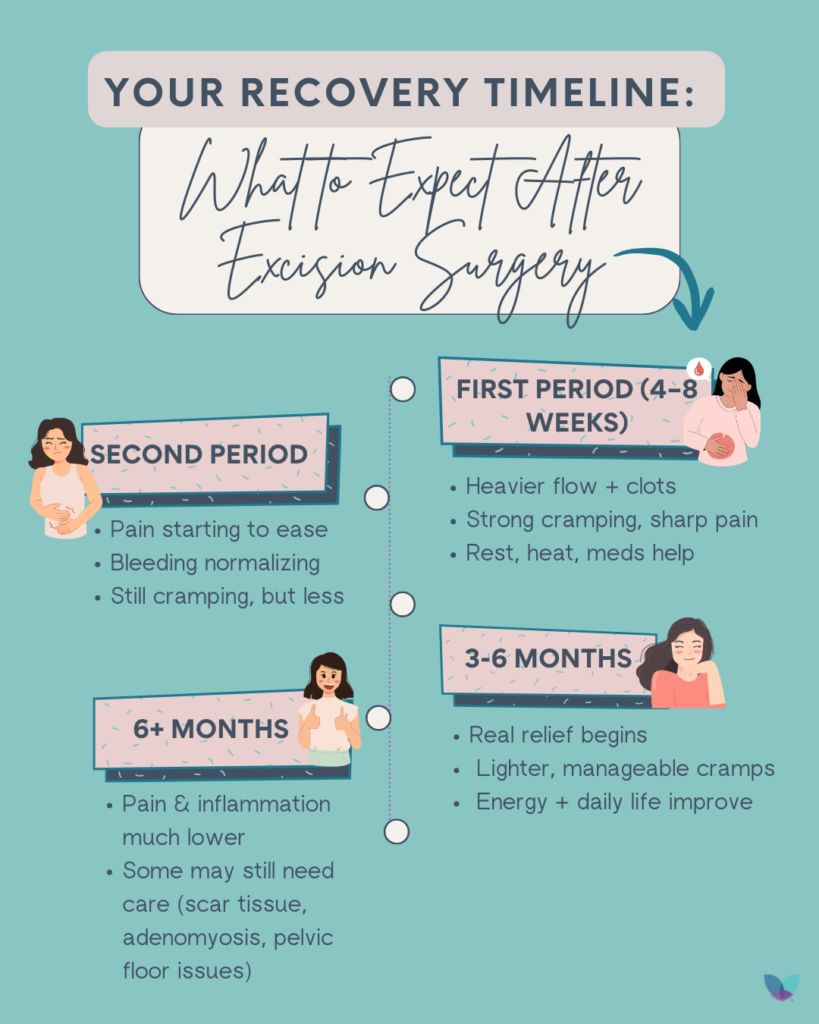
The First Period (4–8 Weeks Post-Surgery)
Your first menstrual cycle after excision surgery is often the most difficult. Patients commonly report:
-
Intense cramping and sharp pelvic pain
-
Heavier bleeding than usual, often with clots
-
Pain that feels different from what they experienced before surgery
During this time, it’s normal to need more rest, pain medication, and comfort measures like heating pads. This difficult first period doesn’t mean the surgery wasn’t effective, it’s part of the body’s healing process.
The Second Period
By the time the second cycle arrives, most patients start to notice improvement. Symptoms may still be present, but changes often include:
-
Less overall pain
-
Cramping that is still there but more manageable
-
Bleeding that begins to normalize
Some patients also find that pain lasts for fewer days compared to before surgery.
Three to Six Months After Surgery
This is when most patients start to feel the real benefits of excision surgery. Dr. Touchan explains that around this point:
-
Cramps are less intense and more manageable
-
Flare-ups outside of periods are fewer
-
Energy and daily function improve significantly
-
Many patients begin to feel like they’re “getting their life back”
By six months, inflammation and pain are often dramatically reduced.
Additional Factors to Keep in Mind
While excision surgery can provide tremendous relief, some patients may need ongoing care. Conditions such as adenomyosis, scar tissue, or pelvic floor dysfunction can still contribute to pain.
Many patients also develop central sensitization, a heightened pain response that results from years of chronic pain. That’s why, at PRM, we often recommend additional therapies such as the PRM Protocol™ (targeted pelvic nerve and fascia treatments) to calm inflammation and support full-body recovery after surgery.
A Comprehensive Approach to Healing
Excision surgery can be transformative, but healing from endometriosis often requires more than one step. At PRM, our approach combines surgical expertise with rehabilitation strategies to support patients before, during, and after surgery.
Every journey is unique, and our goal is to help patients not just manage symptoms — but reclaim their quality of life.