with expert input from Dr. Allyson Shrikhande, Chief Medical Officer and Co-Founder of Pelvic Rehabilitation Medicine

Being in tune with your body is an essential aspect of self-care. It is natural to have concerns about any potential health issues, especially if you are experiencing unusual symptoms. One such condition that affects many women is endometriosis. In this blog, we aim to compassionately address the question, “Do I have endometriosis?” by shedding light on the signs, symptoms, available treatments, and the necessary steps to seek answers.
Understanding Endometriosis
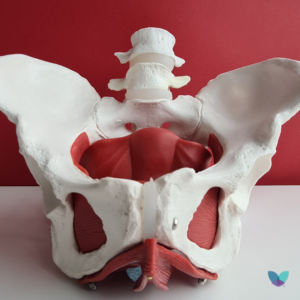
Endometriosis is a chronic condition occurring in young women, where the tissue similar to the lining of the uterus (endometrium) grows outside the uterus, typically within the pelvis. It can affect various reproductive organs, such as the ovaries, fallopian tubes, and even the bladder or intestines. This condition can cause pain, fertility problems, and other complications.
Recognizing the Symptoms
If you are experiencing any of the following signs and symptoms, it is worth further exploring the possibility of endometriosis:
- Painful Periods: Pain that is severe, crampy, and lasts longer than usual. It may also cause pain during or after intercourse.
- Heavy Bleeding: Menstrual periods that are excessively heavy or accompanied by blood clots.
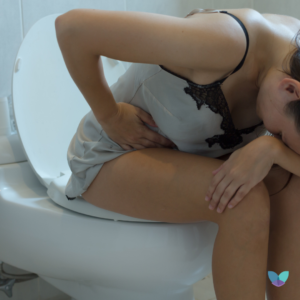
- Chronic Pelvic Pain: Persistent pain in the pelvic region, even beyond your menstrual cycle.
- Painful Bowel Movements or Urination: Discomfort, pain, or bloating during bowel movements or urination, especially during menstruation.
- Fatigue and Debilitating Discomfort: Feeling exhausted, physically drained, or experiencing overarching discomfort that impacts your daily routine.
Consulting with a Healthcare Provider at PRM
Although these symptoms may indicate endometriosis, diagnosing this condition can be challenging, as it requires a medical professional’s expertise. If you resonate with these signs, it is crucial to consult with a compassionate healthcare provider at Pelvic Rehabilitation Medicine who specializes in endometriosis and excision surgery.
Click here to take the Endometriosis Quiz

Prepare for your appointment in advance:
- Educate yourself: Learn more about endometriosis, its potential causes, and available treatment options. This background knowledge will empower you during your discussion with the healthcare provider.
- Track your symptoms: Maintain a diary, documenting the type, location, duration, and intensity of pain or discomfort you experience. This information will be valuable in aiding your healthcare provider’s evaluation.
- List your questions: Jot down any concerns or questions you may have about endometriosis, its impact on your fertility, or available treatment options. A well-prepared list enables you to make the most out of your appointment.
Being Open and Honest
During your appointment, communicate openly and honestly with your healthcare provider about your symptoms, their impact on your life, and your concerns. It is essential to express any past or current treatments you have pursued and their effectiveness (or lack thereof). Remember that your healthcare provider is there to support you on your journey to understanding your health better.
Navigating the Diagnosis
While a healthcare provider may use various methods to diagnose endometriosis, a definitive diagnosis often involves a minimally invasive surgical procedure called laparoscopy. In this procedure, the healthcare provider examines your pelvis through a small incision to confirm the presence of endometriosis.
Excision Surgery at PRM: A Treatment Option
Once diagnosed with endometriosis, treatment options may vary depending on factors such as the severity of the condition, symptoms, and fertility goals. One effective treatment option is excision surgery. This surgical intervention involves the removal of endometriotic lesions or affected tissue. Excision surgery is considered the gold standard for the treatment of endometriosis, as it aims to completely remove the lesions, providing long-term relief and improving fertility in some cases.
Click here to take the Endometriosis Surgery Quiz
The benefits of excision surgery include:
- Relief from symptoms: By removing endometriotic lesions, excision surgery can significantly reduce pain and improve overall quality of life.
- Preservation of fertility: Excision surgery may improve fertility outcomes by removing the endometriotic lesions that can impair fertility.
- Long-term results: Excision surgery aims to remove the lesions completely, potentially reducing the likelihood of recurrence compared to other treatment options.
Empowering Yourself
In addition to medical intervention, there are things you can do to manage the symptoms and seek support:
- Support networks: Connect with online or local support groups where you can share your experiences, learn from others, and find emotional support.
- Educate yourself: Continue educating yourself about endometriosis, treatment options, and new research. Empowerment through knowledge can help you make informed decisions about your health.
Living with undiagnosed symptoms can be frustrating and confusing. If you resonate with the signs and symptoms of endometriosis mentioned in this blog, it is crucial to seek medical advice to understand your health better. With the support of compassionate healthcare providers and a strong support system, you can find relief and lead a fulfilling life despite the challenges of endometriosis. Remember, you are not alone in your journey.