With expert insight from Faraj Touchan, MD, Gynecologic Surgeon and Endometriosis Excision Specialist in New Jersey and New York
Fibroids and adenomyosis are two of the most common causes of pelvic pain and heavy menstrual bleeding in women, and they often occur together. While each condition can be disruptive on its own, having both can significantly impact quality of life, fertility, and treatment options.
Dr. Faraj Touchan, an advanced gynecologic surgeon at PRM’s Center of Excellence in the Tri-State, said that understanding the overlap between fibroids and adenomyosis is essential for accurate diagnosis and effective treatment. Here’s what patients need to know.
How Common Is It to Have Both Fibroids and Adenomyosis?
It’s more common than many people realize. Fibroids—non-cancerous growths in the uterus—are found in up to 70–80% of women by age 50. Adenomyosis, which occurs when the uterine lining grows into the muscle wall of the uterus, affects an estimated 20–35% of women. However, it is often underdiagnosed.
Studies suggest that 15–57% of patients with one of these conditions may have both. The overlap is especially common in women between the ages of 35 and 50, and both conditions share risk factors such as:
- High estrogen levels
- History of childbirth
- Advancing reproductive age
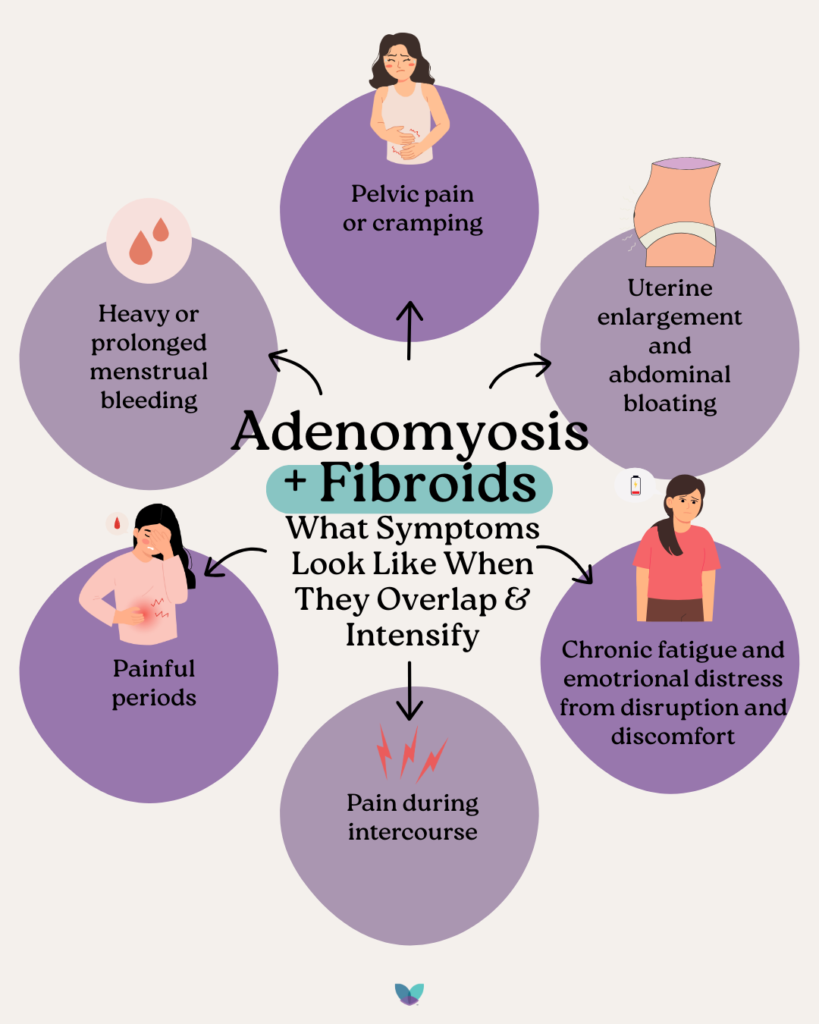
Symptoms: How They Overlap and Intensify
Fibroids and adenomyosis share many symptoms, which can make diagnosis challenging. When both are present, symptoms can become more intense and harder to manage.
Common symptoms include:
- Heavy or prolonged menstrual bleeding
- Pelvic pain or cramping
- Uterine enlargement and abdominal bloating
In addition, many patients experience painful periods, pain during intercourse, chronic fatigue, and emotional distress due to ongoing discomfort and disruption to daily life.
Diagnosis: Why Imaging Matters
Diagnosing both fibroids and adenomyosis requires careful evaluation. Fibroids are usually detected easily with a standard pelvic ultrasound, but to determine the exact location and size—especially for treatment planning—an MRI provides better detail.
Adenomyosis, on the other hand, is more subtle and often misinterpreted as fibroids on ultrasound. MRI is considered the gold standard for distinguishing between the two conditions and confirming when both are present.
Treatment: More Complex When Both Conditions Exist
When fibroids and adenomyosis coexist, treatment becomes more complicated. The two conditions behave differently and respond differently to therapies. A one-size-fits-all approach often doesn’t work, especially for patients who want to preserve fertility or avoid a hysterectomy. Here’s why:
- Medical treatments may offer temporary relief but are often not curative. For example, hormonal IUDs like Mirena can reduce bleeding and pain from adenomyosis but may not shrink fibroids.
- Surgical planning is also more challenging. A myomectomy can remove fibroids, but adenomyosis often requires a more advanced or multi-step strategy.
In some cases, patients may need a combination of treatments, including hormonal therapy, minimally invasive procedures, or ultimately, hysterectomy—especially if treatment is delayed.
What Happens If Fibroids Are Left Untreated?
Ignoring or improperly managing both fibroids and adenomyosis can lead to serious complications:
- Chronic pelvic pain and back pain that interfere with daily life
- Heavy bleeding and anemia, leading to fatigue, dizziness, and in severe cases, the need for iron infusions or blood transfusions
- Fertility challenges, including difficulty conceiving, increased risk of miscarriage, and pregnancy complications such as preterm labor or C-sections
- Uterine enlargement, which can cause pressure on the bladder and bowel, leading to frequent urination, constipation, or abdominal distension
- Fewer treatment options over time, as conservative therapies may become less effective, leaving hysterectomy as the only viable solution
When to Seek Help for Fibroids and Adenomyosis
If you’re struggling with persistent pelvic pain, heavy periods, or symptoms that aren’t getting better with standard treatments, don’t wait to get evaluated. Because these two conditions often mimic each other and can co-occur, it’s important to be seen by a specialist who can correctly identify both and create a customized treatment plan.
At PRM’s Center of Excellence, Dr. Touchan and our team of pelvic pain specialists are experienced in treating complex pelvic pain conditions like fibroids and adenomyosis. With advanced diagnostics and a patient-centered approach, they help patients find real relief—without unnecessary delay.