With expert input from Dr. Ashley Davis, Gynecologic Surgeon and Endometriosis Excision Specialist at PRM in Atlanta
Endometriosis is a complex, chronic condition that affects more than 1 in 9 women. Yet many still struggle to receive the right diagnosis and care even after all of this time. Unfortunately, treatment is often delayed, symptoms are dismissed, and patients are left without answers for years.
What many people don’t realize is that treating endometriosis isn’t simple, and in reality, it shouldn’t be. This disease affects more than just the reproductive organs, as so many patients know. It impacts the entire body and often requires care from multiple medical professionals working together. Here’s why a comprehensive approach to endometriosis treatment matters.
Endometriosis Is More Than a Reproductive Issue
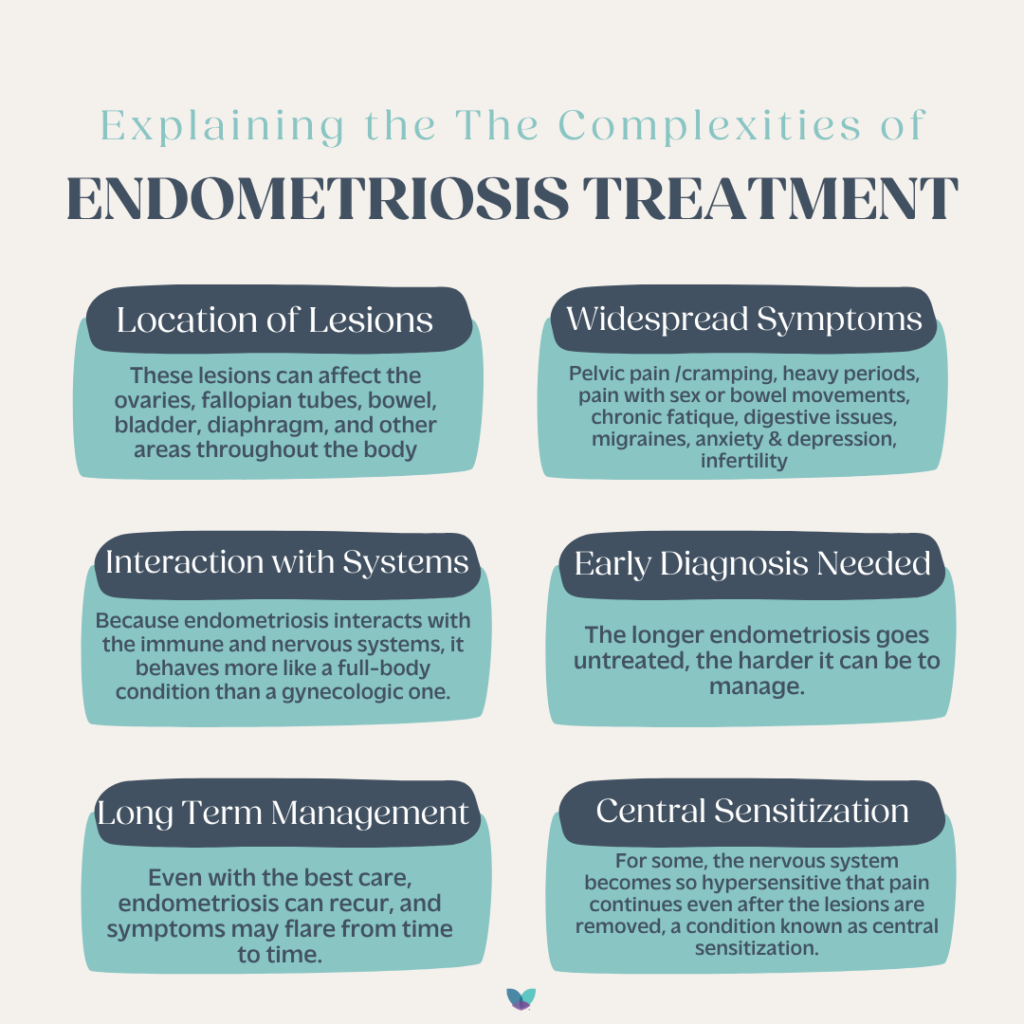
Endometriosis occurs when tissue similar to the uterine lining grows outside the uterus. These lesions can affect the ovaries, fallopian tubes, bowel, bladder, diaphragm, and other areas throughout the body. Symptoms are often widespread and can include:
- Pelvic pain and cramping
- Heavy periods
- Pain with sex or bowel movements
- Bladder pain or frequent urination
- Chronic fatigue
- Digestive issues
- Migraines and anxiety
Because endometriosis interacts with the immune and nervous systems, it behaves more like a full-body condition than a gynecologic one. That’s why successful treatment must go beyond traditional methods.
Why Early Diagnosis Is Crucial
In the U.S., it takes an average of 7–10 years to receive a proper diagnosis for endometriosis. During that time, the disease may progress and cause additional complications that many health professionals and patients may be unaware of. For some, the nervous system becomes so hypersensitive that pain continues even after the lesions are removed, a condition known as central sensitization.
The longer endometriosis goes untreated, the harder it can be to manage. That’s why early diagnosis and specialized care are key to preventing long-term pain and preserving quality of life.
The Best Endometriosis Treatment Involves a Team
There is no single treatment that works for everyone. The best outcomes come from a multidisciplinary treatment plan tailored to the individual. This typically includes:
- Expert excision surgery to remove endometriosis at the root
- Pelvic floor physical therapy to address muscle tension and nerve pain
- Pain management strategies for both short- and long-term relief, such as the PRM Protocol™
- Mental health support to help cope with the emotional toll of chronic illness
At PRM’s Centers of Excellence nationwide, we work with our patients and other specialists to provide coordinated care that ensures all aspects of the disease are addressed.
Endometriosis Can Come Back, But Symptoms Can Be Managed
Even with the best care, endometriosis can recur, and symptoms may flare from time to time. This doesn’t mean treatment has failed, but it does mean that ongoing support is essential for overall well being. Patients do best when they have a long-term care team that understands their condition and adapts their treatment as needed.
Expert Insight: Dr. Ashley Davis on Endometriosis Treatment
Dr. Ashley Davis, endometriosis excision surgeon at Pelvic Rehabilitation Medicine, emphasizes the importance of understanding the full picture:
“I wish more people understood that endometriosis is a complex, chronic condition, not something that’s easily cured by medication… Endometriosis requires a tailored, multidisciplinary approach involving expert surgical care, specialized pelvic floor physical therapy, careful pain management, and psychological support when needed… Early intervention and a team-based treatment plan provide the best chance of improving quality of life, preventing complications, and minimizing long-term pain and dysfunction.”
Bottom Line: Don’t Wait to Get Specialized Help
If you’re experiencing symptoms of endometriosis, which include pelvic pain, painful periods, bowel or bladder issues, or chronic fatigue, it’s important to seek specialized care early with a dedicated team of endometriosis specialists. A “wait-and-see” approach often leads to more pain, more complexity, and fewer treatment options.
At PRM, our team specializes in comprehensive care for endometriosis. We’re here to help you take the first step toward real relief—and long-term support.